Understanding the Risks of Home Office Work Common injuries caused by suboptimal home office setups include:

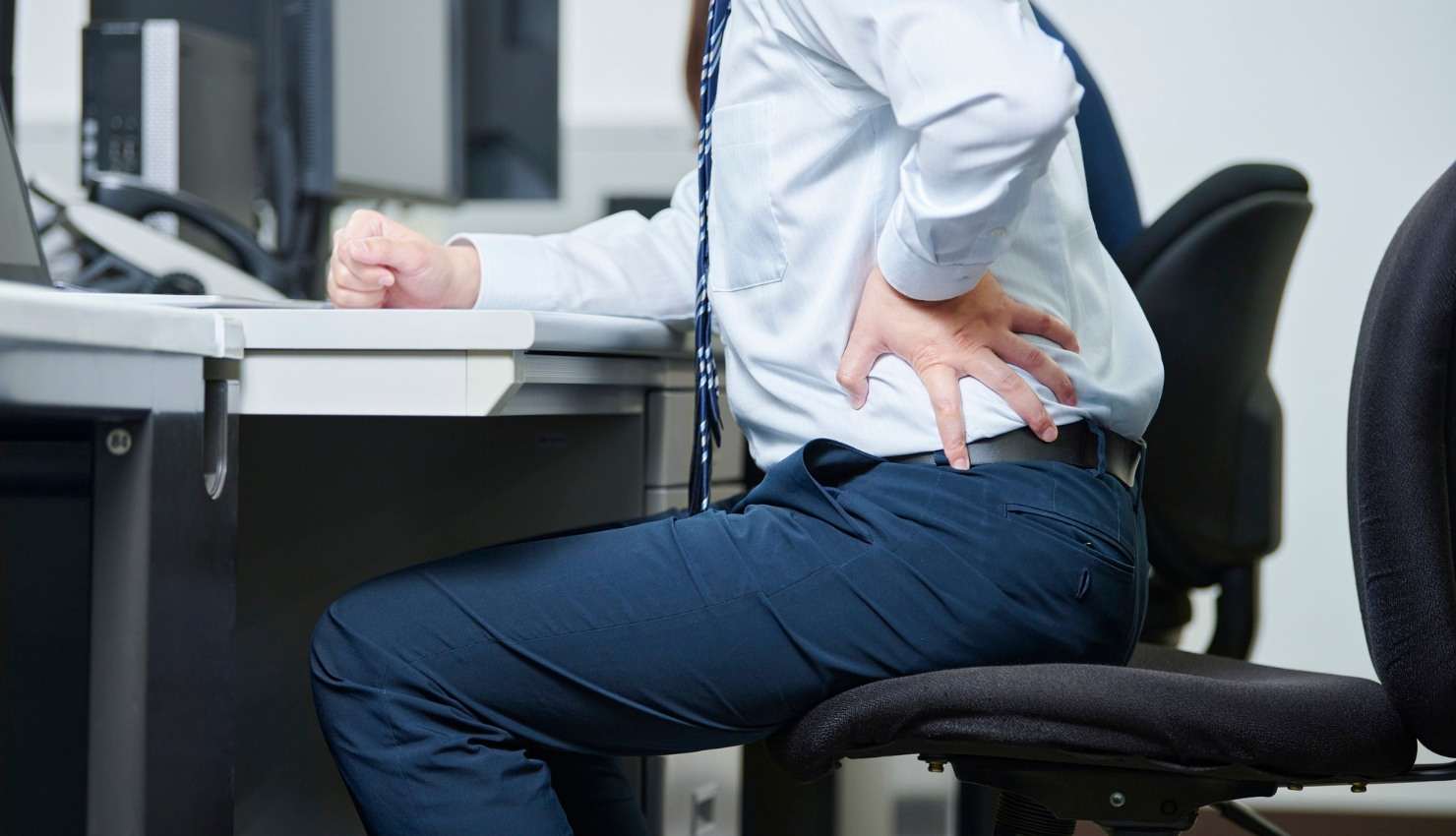
Understanding the Risks of Home Office Work
Common injuries caused by suboptimal home office setups include:
Lower back pain
Neck and shoulder strain
Carpal tunnel syndrome
Tension headaches
Hip tightness
Postural fatigue
These injuries are often preventable with the right knowledge and routineand thats where physiotherapy comes in.
?? How Physiotherapy Helps Prevent Injuries
? 1. Ergonomic Assessment and Workspace Setup
Physiotherapists assess your working posture and customize your setup to fit your body.
Adjust screen height, chair position, and desk layout
Recommend ergonomic tools (e.g., lumbar cushions, footrests, keyboard trays)
Correct poor alignment before it causes pain
Tip: Many physiotherapists offer virtual ergonomic assessments.
? 2. Personalized Exercise and Stretching Routines
They design movement plans to:
Strengthen weak muscles (e.g., core, upper back)
Stretch tight areas (e.g., hip flexors, chest)
Improve postural endurance and stability
Example: A 10-minute daily routine targeting spine mobility and hip flexibility.
? 3. Education on Body Mechanics
Physiotherapists teach you how to:
Sit, stand, and move properly throughout your day
Lift or reach for items safely at your desk
Avoid harmful habits like slouching, crossing legs, or hunching
Knowledge = long-term injury prevention.
? 4. Early Detection of Dysfunction
Small imbalances can become chronic injuries if ignored.
Physios spot early signs of repetitive stress or muscle compensation
Intervene before pain becomes disabling
A 15-minute posture screen could prevent months of discomfort.
? 5. Manual Therapy and Recovery Support
If youve already begun feeling discomfort:
Physiotherapy includes hands-on techniques (massage, mobilization)
Also uses modalities like heat therapy, ultrasound, or dry needling
Supports faster recovery and return to comfort
?? Simple Physiotherapist-Approved Tips to Get Started
Practice seated pelvic tilts and neck retractions hourly
Use a rolled towel behind your lower back for lumbar support
Stand and stretch every 3045 minutes
Do wrist and shoulder mobility drills if using a mouse or keyboard all day
?? Final Thought:
Physiotherapy is not just for recoveryits for prevention.
A physiotherapist can help you design a sustainable home office routine that keeps your body moving well, even in a sedentary job.