How Physiotherapy Can Help You Reach Your Full Dance Potential explores targeted strategies for recovery. Discover new paths to mobility, healing, and personalized care.

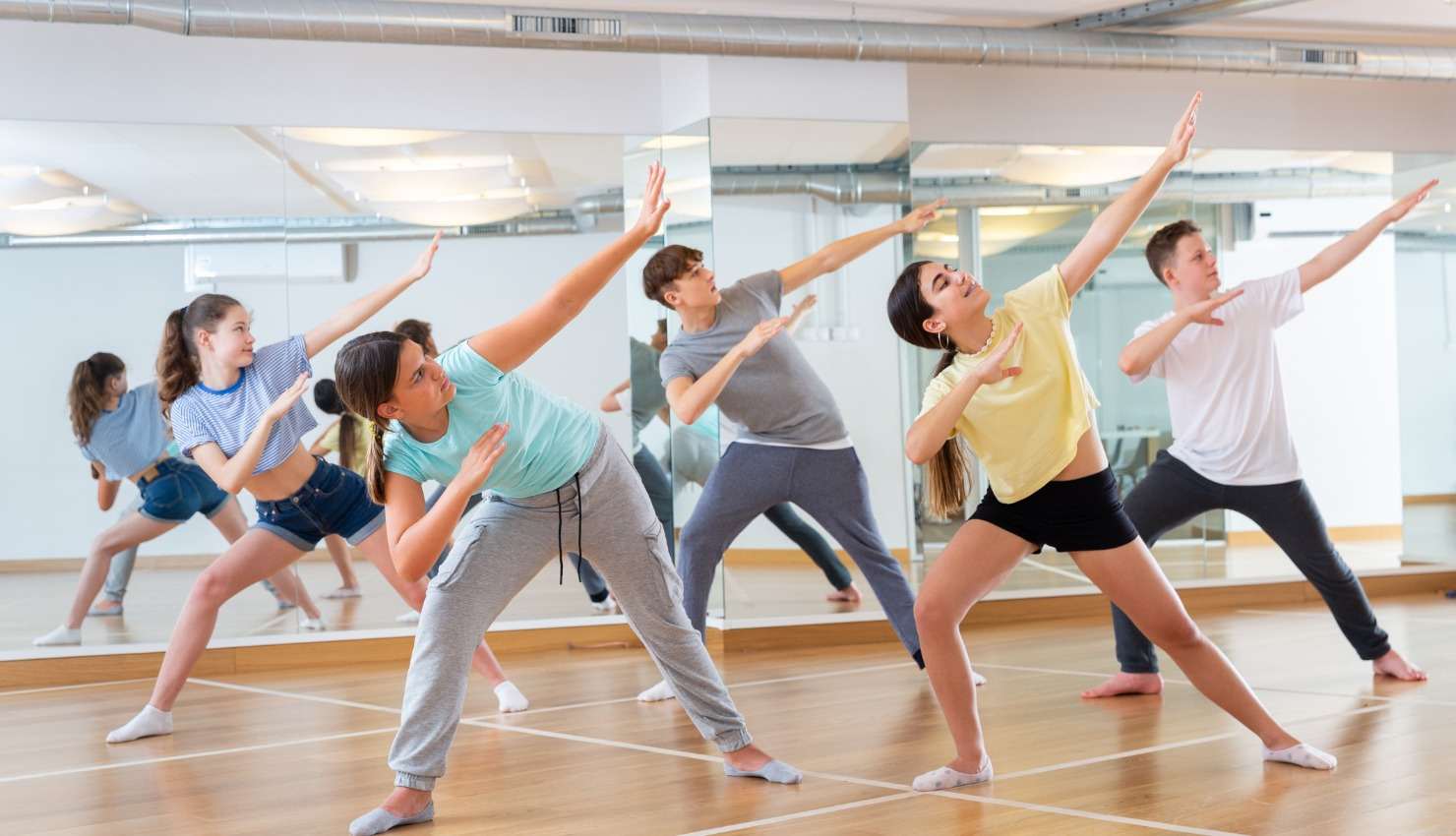
Every pirouette, jeté, or développé depends on precise body mechanics. A physiotherapist can:
Assess your postural alignment
Correct imbalances between your dominant and non-dominant side
Improve joint mobility and muscle activation for better control
?? Outcome: Cleaner lines, stronger balances, and smoother transitions with less effort.
??? 2. Building a Strong, Stable Foundation
Strength is key but dancers need functional strength that supports mobility, agility, and grace.
Physiotherapists design targeted programs to:
Strengthen core and pelvic stabilizers
Activate glutes, hamstrings, and deep hip rotators for turnout control
Enhance foot and ankle stability for jumps and pointe work
?? Outcome: You perform with power and control, while reducing the risk of collapse or fatigue.
?? 3. Increasing Flexibility and Functional Mobility
Dancers often chase extreme flexibility, but flexibility without control can lead to injury. Physiotherapists help improve:
Safe range of motion in hips, spine, and shoulders
Neuromuscular control in stretched positions
Fascial and muscle release techniques for stubborn tightness
?? Outcome: Fluid extensions and higher arabesques safely and with control.
?? 4. Enhancing Body Awareness and Movement Efficiency
Dancers with high kinesthetic awareness move smarter and conserve energy. Physiotherapists use:
Proprioceptive training to improve balance and joint positioning
Mirror feedback, video analysis, or cue-based corrections
Breathing and neuromotor coordination drills
?? Outcome: You waste less energy, reduce overcompensation, and dance with greater precision.
?? 5. Supporting Consistent Progress and Longevity
Training overload, fatigue, and repetitive strain can limit growth. Physiotherapists help you:
Periodize your training to balance intensity and recovery
Monitor technique adaptation during growth spurts
Address subtle injuries before they become serious
?? Outcome: You stay in class, avoid long layoffs, and continue improving year after year.
?? 6. Tailoring Support to Your Dance Style and Goals
Whether youre in ballet, hip-hop, contemporary, aerial, or musical theatre, your body faces unique demands. A skilled physio can:
Customize exercises for your genre (e.g., pointe preparation vs. floor work conditioning)
Adapt support for different performance surfaces or footwear
Focus on role-specific movement patterns
?? Outcome: Youre prepared for the exact challenges your repertoire demands.
?? 7. Identifying and Addressing Hidden Limiters
Sometimes, progress stalls because of factors dancers dont notice:
A tight hip limiting développé height
Weak scapular control affecting port de bras
A stiff ankle reducing jump height or shock absorption
Physiotherapists excel at detective work, identifying and treating these subtle but impactful blocks.
?? Outcome: Break past plateaus with small but powerful adjustments.
?? 8. Supporting Mental Confidence Through Physical Readiness
Knowing your body is aligned, strong, and prepared breeds confidence. Physiotherapy can:
Help you set physical performance goals
Reinforce positive movement habits
Provide reassurance through consistent progress tracking
?? Outcome: You approach auditions and performances feeling mentally grounded and physically ready.
? Signs You Could Benefit from Performance-Focused Physiotherapy
Youre plateauing despite hard training
You feel off-balance in specific moves
You often deal with tightness, minor tweaks, or fatigue
You want to increase jump height, turnout control, or extension
Youre preparing for competitions, exams, or auditions