Common Home Office Injuries Treated by Physiotherapists Physiotherapists regularly help remote workers with:

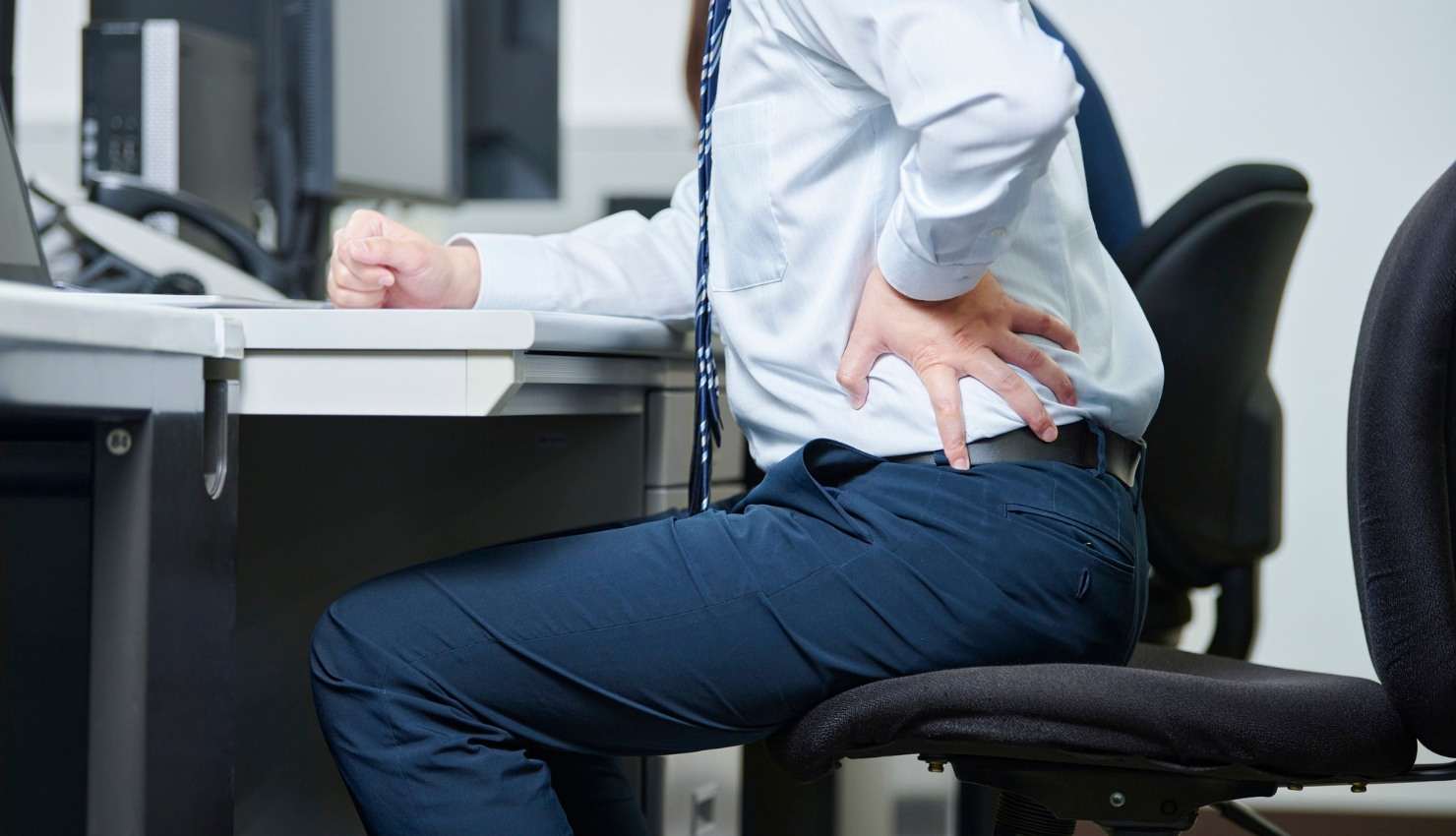
Common Home Office Injuries Treated by Physiotherapists
Physiotherapists regularly help remote workers with:
Neck and upper back pain (often from tech neck and forward head posture)
Lower back pain from poor lumbar support or prolonged sitting
Shoulder impingement and rotator cuff tension due to rounded posture
Wrist and forearm pain, such as carpal tunnel syndrome
Hip tightness and gluteal weakness from lack of movement
Postural imbalances and chronic muscle fatigue
These injuries may not seem serious at firstbut they often become chronic if ignored.
????? How Physiotherapy Supports Recovery
? 1. Assessment and Diagnosis
A physiotherapist will:
Identify the root cause of your discomfort (not just the symptom)
Analyze your posture, movement patterns, and workstation ergonomics
Use manual testing and digital tools to pinpoint muscular imbalances
Understanding the why behind your pain is the first step toward healing.
?? 2. Manual Therapy and Pain Relief Techniques
Physiotherapists use hands-on methods to reduce pain and inflammation:
Soft tissue massage
Joint mobilizations
Trigger point release
Dry needling or cupping (in some practices)
Taping or support for stability
These techniques improve circulation, mobility, and muscle relaxation.
?? 3. Stretching and Mobility Restoration
Tight muscles and restricted joints can limit your ability to move freely.
Your physiotherapist will:
Prescribe targeted stretches for affected areas (e.g., neck, shoulders, hips)
Improve spinal flexibility and joint range of motion
Guide you through corrective movements to ease discomfort
Even small improvements in flexibility can relieve significant tension.
?? 4. Strengthening Weak Muscles
Sitting too much weakens core stabilizers, postural muscles, and glutes.
Physiotherapists create custom exercise plans to:
Rebuild postural strength and spinal support
Correct muscle imbalances from poor desk posture
Reduce re-injury risk by improving stability and endurance
Strengthening is key to long-term recoverynot just temporary relief.
?? 5. Ergonomic Education and Setup Advice
A major part of preventing reinjury is fixing the source: your work environment.
Physiotherapists provide:
Personalized ergonomic guidance based on your body and work habits
Simple, cost-effective recommendations to optimize desk setup
Tips on screen height, chair support, arm/wrist alignment, and movement routines
A few simple tweaks can drastically reduce strain on your body.
?? 6. Ongoing Monitoring and Support
Recovery is a process. Physiotherapists help you:
Track progress over time
Adjust treatment plans as your body heals
Stay motivated and accountable
Reintroduce movement safely as you improve
They dont just treat symptomsthey guide you toward lasting recovery.
?? Recovering from Home Doesnt Mean Doing It Alone
Many physiotherapy clinics now offer virtual consultations or home visit options. That means you can access expert help without leaving your home.
Plus, physiotherapists empower you with:
At-home exercise routines
Stretching sequences tailored to your needs
Pain relief techniques you can apply independently
? Final Takeaway
Home office injuries are realand treatable. With the help of a physiotherapist, you can:
Recover faster
Reduce chronic pain
Regain mobility
Prevent future problems
Build a sustainable, pain-free remote work lifestyle
Your body was designed to moveand physiotherapy helps it move well again.
Would you like a free at-home injury prevention guide, a custom stretch plan, or tips on how to prepare for your first physiotherapy session?
Tools