Physiotherapy focuses on:

Physiotherapy focuses on:
Restoring and maintaining movement and function
Preventing injury through proper posture, mobility, and strength
Using movement as medicine for both physical and mental well-being
For home-based professionals, this means treating your daily work routine like a physical performance with training, recovery, and posture awareness built in.
?? 1. Posture Correction and Ergonomic Coaching
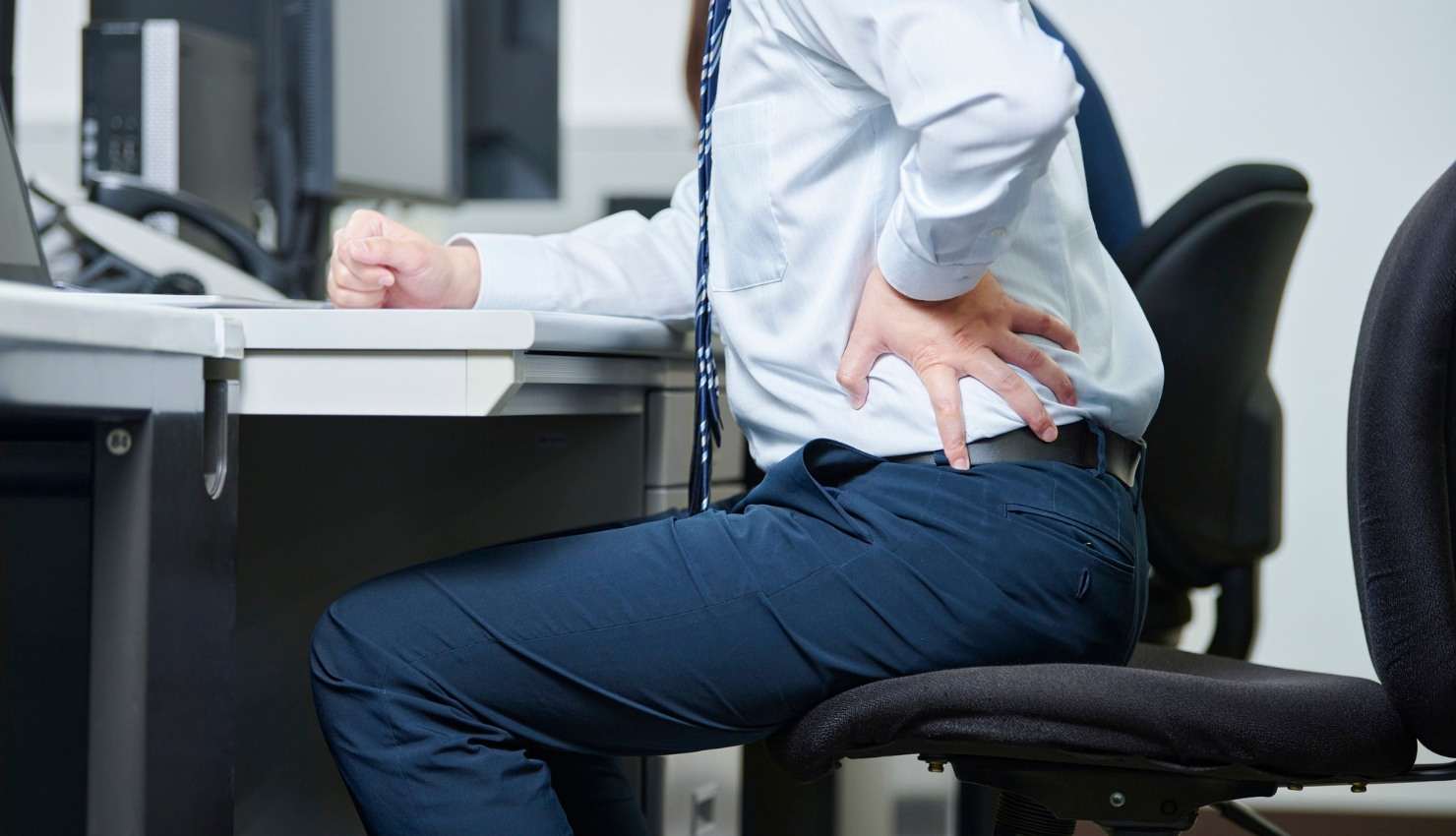
Poor posture while working leads to back, neck, wrist, and shoulder problems.
How physio helps:
Personalized postural assessments via in-person or virtual consults
Tailored desk setup guidance based on your body mechanics
Training on neutral spine alignment and how to maintain it during long hours
?? Physios can identify posture mistakes you dont even know youre making.
????? 2. Stretching and Mobility Programs
Tight muscles reduce circulation, cause stiffness, and limit movement.
Physios prescribe:
Daily mobility routines to improve joint health
Stretching plans that address specific tight areas (e.g., hip flexors, pecs)
Safe, progressive movement drills to maintain flexibility
?? Especially helpful for undoing the effects of prolonged sitting.
?? 3. Strength and Stability Training
Physiotherapy isnt just about fixing pain its also about preventing it through strength.
What you get:
Custom home exercise plans that fit your goals and space
Core and glute training to support the spine and improve posture
Shoulder and neck stability work to reduce desk-related strain
?????? A strong body is more resilient to the demands of desk work.
?? 4. Injury Prevention & Early Symptom Management
Catching pain early can prevent long-term injury or disability.
A physiotherapist can:
Spot early signs of repetitive strain injuries (RSIs)
Treat tech neck, carpal tunnel, sciatica, and back pain before they worsen
Help correct muscle imbalances caused by poor habits
?? Dont wait for pain to get severe prevention is the best medicine.
?? 5. Breathing and Stress Regulation
Sitting and stress affect more than muscles they impact your nervous system.
Physiotherapy can support:
Diaphragmatic breathing techniques to improve energy and calm anxiety
Mind-body exercises to reduce tension and improve focus
Guidance on movement breaks that also relax your brain
?? Physical relaxation can improve mental performance and mood.
?? 6. Remote Physiotherapy (Telehealth)
No time to visit a clinic? Many physiotherapists now offer virtual consults.
With remote physio, you can:
Get a real-time assessment of your workspace and posture
Receive personalized movement plans via video sessions
Track your progress and adjust exercises as needed
?? Staying healthy at home has never been more accessible.
? Physiotherapy for Remote Workers At a Glance
Problem Physiotherapy Solution
Neck or back pain Posture retraining + mobility drills
Wrist/hand fatigue Ergonomic corrections + nerve glides
Hip stiffness Targeted stretching + activation
Sluggish energy Movement breaks + breathwork
Risk of RSI Strength + flexibility programs
?? Final Takeaway:
Physiotherapy isnt just for injury recovery its an essential wellness tool for anyone working from home. Through personalized movement strategies, ergonomic support, and strength building, a physiotherapist can help you stay pain-free, energized, and productive.