How Physiotherapy Can Help You Stay Injury-Free During Dance Competitions explores targeted strategies for recovery. Discover new paths to mobility, healing, and personalized care.

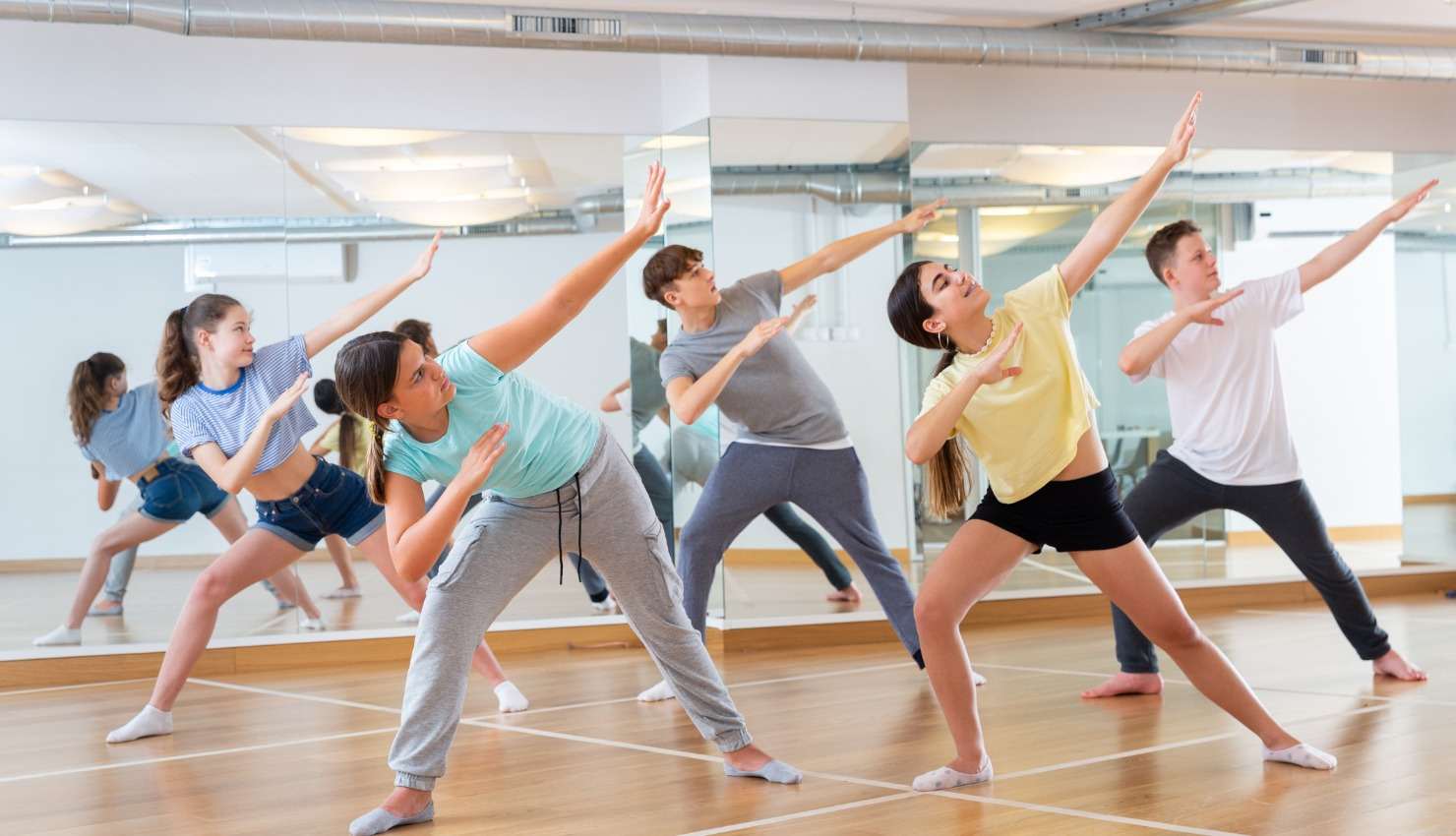
Dance competitions are the pinnacle of many dancers careers, offering a platform to showcase years of training, dedication, and artistry. However, they also come with high physical demands that put a dancers body to the test. Intense rehearsals, rigorous performances, and the stress of competition can significantly increase the risk of injury, especially if the body isnt properly prepared or maintained. This is where physiotherapy becomes a crucial tool in helping dancers stay injury-free during the high-pressure environment of dance competitions.
In this blog, well explore how physiotherapy can help dancers stay injury-free, optimize their performance, and recover quickly during the competitive season.
1. Pre-Competition Preparation
Proper preparation before stepping onto the competition stage is key to injury prevention. Physiotherapy helps dancers prepare their bodies for the physical demands of competition through a combination of strengthening, flexibility, and mobility exercises.
How physiotherapy aids in pre-competition preparation:
Prehabilitation: Physiotherapists design prehabilitation programs that target the dancers weak areas or muscle imbalances before they become problematic. This includes strengthening the muscles, improving flexibility, and addressing any alignment issues that could lead to injury.
Stretching and Warm-Up Routines: Physiotherapists guide dancers through dynamic stretching and warm-up exercises tailored to their specific dance style. Proper warm-up increases blood flow to the muscles, prepares the body for high-intensity movement, and reduces the risk of muscle strains or joint injuries. For example, warm-ups for ballet, which require a lot of hip flexibility and stability, would differ from those needed for hip-hop, which requires explosive strength and mobility.
Joint Mobilization: Before a competition, physiotherapists may use joint mobilization techniques to improve range of motion in areas like the hips, ankles, and shoulders. This ensures that the dancer’s joints are mobile and ready to perform difficult movements like leaps, turns, and lifts without causing strain or injury.
By addressing potential issues before competition, physiotherapy helps dancers prepare physically and mentally, ensuring their bodies are in peak condition for performance.
2. Optimizing Performance with Strength and Flexibility
Dance competitions often involve intricate choreography that demands strength, flexibility, and stamina. Physiotherapists can help dancers build the necessary physical attributes to execute demanding routines efficiently and with precision.
How physiotherapy optimizes performance:
Strengthening Key Muscle Groups: Physiotherapists focus on building strength in the muscles that are crucial for dance, particularly the core, legs, and back. Stronger muscles allow dancers to execute movements like jumps, turns, and lifts with more control, reducing the risk of injury from fatigue or improper technique.
Flexibility and Mobility: Dancers need optimal flexibility to perform movements that require full range of motion, such as deep pliés in ballet or high kicks in contemporary. Physiotherapists develop personalized stretching routines to improve flexibility in specific muscle groups and joints, such as the hip flexors, calves, and hamstrings. This not only helps with the execution of movements but also aids in injury prevention by increasing the elasticity of muscles and tendons.
Balance and Coordination: Physiotherapists also work on improving balance and coordination through proprioception exercises, which enhance the dancers awareness of body positioning. This is particularly important for complex, multi-step routines that require precise foot placement and body alignment, such as pirouettes or aerial moves.
By enhancing strength, flexibility, and coordination, physiotherapy ensures that dancers can execute their routines with ease and confidence, improving overall performance and reducing the likelihood of injury.
3. Injury Prevention Through Posture and Alignment
Injuries often arise from poor posture or improper alignment during movement. Dancers who maintain incorrect alignment during intense routines can place excessive strain on their muscles, tendons, and joints, leading to overuse injuries, stress fractures, or muscle strains.
How physiotherapy helps with posture and alignment:
Postural Assessment: Physiotherapists conduct a thorough postural assessment to identify any misalignments or weaknesses in the dancer’s body. For example, an imbalance in the pelvis or uneven muscle development in the legs could result in overcompensation by other muscles, leading to injury.
Corrective Exercises: Based on the postural assessment, physiotherapists develop exercises to address specific weaknesses or imbalances. These exercises focus on improving posture, such as strengthening the core and stabilizing the hips, which in turn helps with proper alignment during movement.
Movement Pattern Correction: Physiotherapists also observe how dancers execute movements and provide corrective feedback. For instance, they may correct faulty foot placement during turns or ensure that the knees are aligned correctly during jumps. These adjustments prevent unnecessary strain on the body and reduce the risk of injury.
By correcting posture and alignment, physiotherapy helps dancers perform movements more efficiently, reducing the risk of injury during the competition.
4. Effective Recovery Between Routines and Performances
In dance competitions, dancers often perform multiple routines in a single day or over the course of a weekend. Fatigue, muscle soreness, and stiffness can accumulate quickly, making it difficult to perform at peak levels. Physiotherapy helps with recovery between routines, ensuring that dancers maintain their performance quality and avoid injuries caused by fatigue.
How physiotherapy aids in recovery:
Active Recovery: Physiotherapists recommend low-intensity activities such as walking, stretching, or light yoga to keep the muscles active and prevent stiffness during breaks between performances. This helps clear lactic acid build-up from muscles, which can cause soreness and fatigue.
Massage Therapy: Physiotherapists may use massage techniques such as deep tissue massage or myofascial release to relieve tight muscles and fascia after intense routines. This helps to alleviate muscle soreness and improve circulation, which aids in faster recovery.
Cold and Heat Therapy: For dancers experiencing muscle inflammation or pain, physiotherapists may use cold therapy (ice packs) to reduce swelling or heat therapy (warm packs) to relax tight muscles. These techniques promote faster recovery and reduce discomfort during competition.
Hydration and Nutrition Advice: Physiotherapists may also provide recommendations for maintaining proper hydration and nutrition during competitions, which are key factors in muscle recovery and performance.
With proper recovery strategies, dancers can stay energized and ready to perform at their best throughout the competition.
5. Managing Existing Injuries and Preventing Further Damage
Unfortunately, dancers may have existing injuries or recurring issues due to the physical demands of their craft. Physiotherapy plays a key role in managing these injuries during dance competitions, allowing dancers to continue competing while minimizing the risk of further damage.
How physiotherapy helps manage and prevent further injury:
Injury Rehabilitation: Physiotherapists can provide rehabilitation for existing injuries, such as sprains, strains, or tendonitis. They create personalized recovery plans to help dancers recover while continuing to perform at a competitive level.
Supportive Taping and Bracing: In some cases, physiotherapists may use taping or bracing techniques to provide extra support to injured joints or muscles, preventing further strain during performances. This is particularly useful for dancers recovering from sprained ankles, knee injuries, or strained muscles.
Pain Management: Physiotherapists use techniques such as ultrasound therapy, electrical stimulation, and manual therapy to manage pain and inflammation, allowing dancers to compete with less discomfort.
By effectively managing injuries, physiotherapy helps dancers compete without exacerbating existing problems, ensuring that they stay injury-free during high-pressure competitions.
Conclusion
Physiotherapy is an essential tool for any dancer looking to stay injury-free during competitions. From pre-competition preparation and injury prevention to performance optimization and recovery, physiotherapists play a crucial role in ensuring that dancers perform at their best without compromising their health.
Through personalized exercises, posture correction, strength building, and recovery techniques, physiotherapy helps dancers reduce their risk of injury, maintain peak performance, and extend their careers. Whether you’re a seasoned competitor or a rising star, incorporating physiotherapy into your routine is a smart investment in your long-term success and injury-free dancing.