Working from home may offer flexibility, but it also introduces hidden physical challenges: neck stiffness, back pain, tight hips, wrist strain, and even fatigue from sitting too long. If youve ever felt sore after a day at your desk, physiotherapy can help not just to treat pain, but to prevent it.

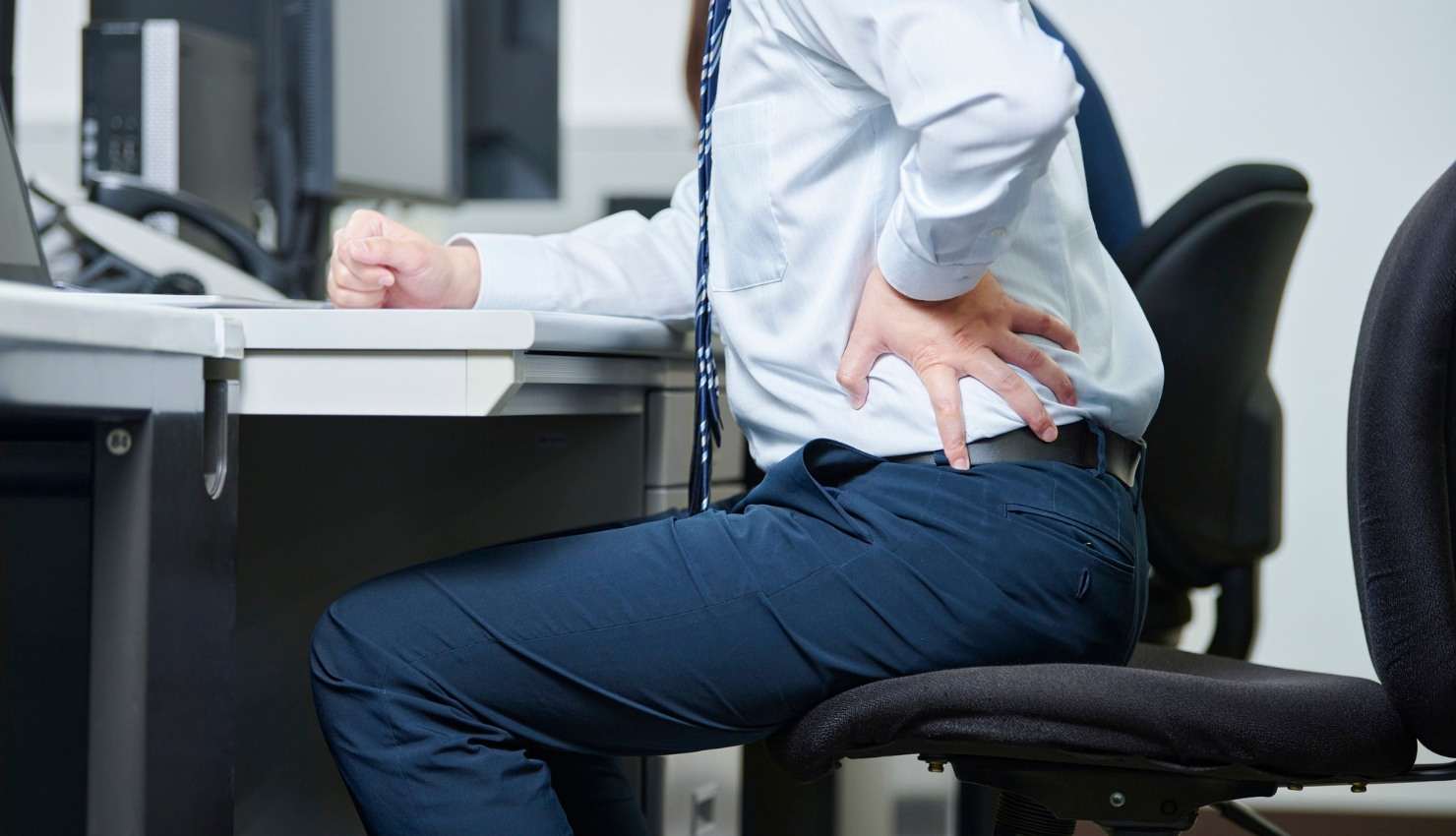
Working from home may offer flexibility, but it also introduces hidden physical challenges: neck stiffness, back pain, tight hips, wrist strain, and even fatigue from sitting too long. If youve ever felt sore after a day at your desk, physiotherapy can help not just to treat pain, but to prevent it.
?? What Does Physiotherapy Offer Remote Workers?
Physiotherapy focuses on how your body moves, aligns, and recovers. A physiotherapist can help you work more comfortably from home by:
Identifying poor movement habits
Correcting posture and alignment
Recommending stretches and exercises
Customizing your ergonomic workspace
Teaching injury prevention strategies
? Key Ways Physiotherapy Supports Comfortable Remote Work
1. Posture Assessments and Corrections
Physiotherapists analyze how you sit, stand, and move while working. They can spot imbalances and habits that contribute to discomfort and guide you through:
Shoulder positioning
Spinal alignment
Neck and head posture
?? Theyll teach you posture cues and exercises to hold better form throughout your workday.
2. Custom Desk and Chair Setup Guidance
An awkward desk setup is one of the leading causes of pain in home offices. A physiotherapist can help you adjust:
Screen height to reduce neck strain
Chair height and support for back comfort
Keyboard and mouse position to ease wrist tension
?? They may even suggest affordable alternatives if you dont have ergonomic gear.
3. Movement and Stretching Routines
Physiotherapists create micro-movement plans you can do at your desk or between tasks. These reduce joint stiffness and muscle tightness from prolonged sitting.
Examples include:
Neck rolls and chin tucks
Seated spinal twists
Wrist and finger stretches
Hip openers and hamstring stretches
?? Most routines take just 25 minutes and can prevent daily tension from building up.
4. Pain Management and Injury Prevention
Already feeling pain? Physiotherapists can help with:
Back, neck, or shoulder pain
Carpal tunnel or tendonitis
Tension headaches
Sciatica or nerve irritation
Theyll use techniques like:
Manual therapy
Targeted strengthening
Dry needling or myofascial release (if appropriate)
Personalized home exercises
????? Youll learn how to manage pain and avoid it from returning.
5. Building Long-Term Resilience
Physiotherapy isnt just reactive its proactive. Youll gain:
Body awareness to catch poor posture early
Strength and flexibility to support long hours at a desk
Energy management strategies to reduce fatigue
?? Many physiotherapists now offer virtual sessions, so you can get help from home.
??? A Sample Physiotherapy-Inspired Workday Plan:
Time Movement Habit Benefit
9:00 AM Posture check-in + shoulder rolls Start aligned and tension-free
10:30 AM Wrist and neck stretches Prevent tightness and strain
12:00 PM Walk + hip flexor stretch Counteract sitting compression
2:00 PM Spinal twist + calf raises Improve circulation and mobility
4:30 PM Quick stretch + deep breaths Decompress and reset energy
????? Physiotherapy = Comfort + Longevity
Whether youre already dealing with work-from-home pain or want to stay ahead of it, physiotherapy gives you tools to:
Work smarter
Sit stronger
Feel better