Identifies the Root Cause of Your Pain Physiotherapists are trained to spot movement imbalances and poor habits that lead to pain.

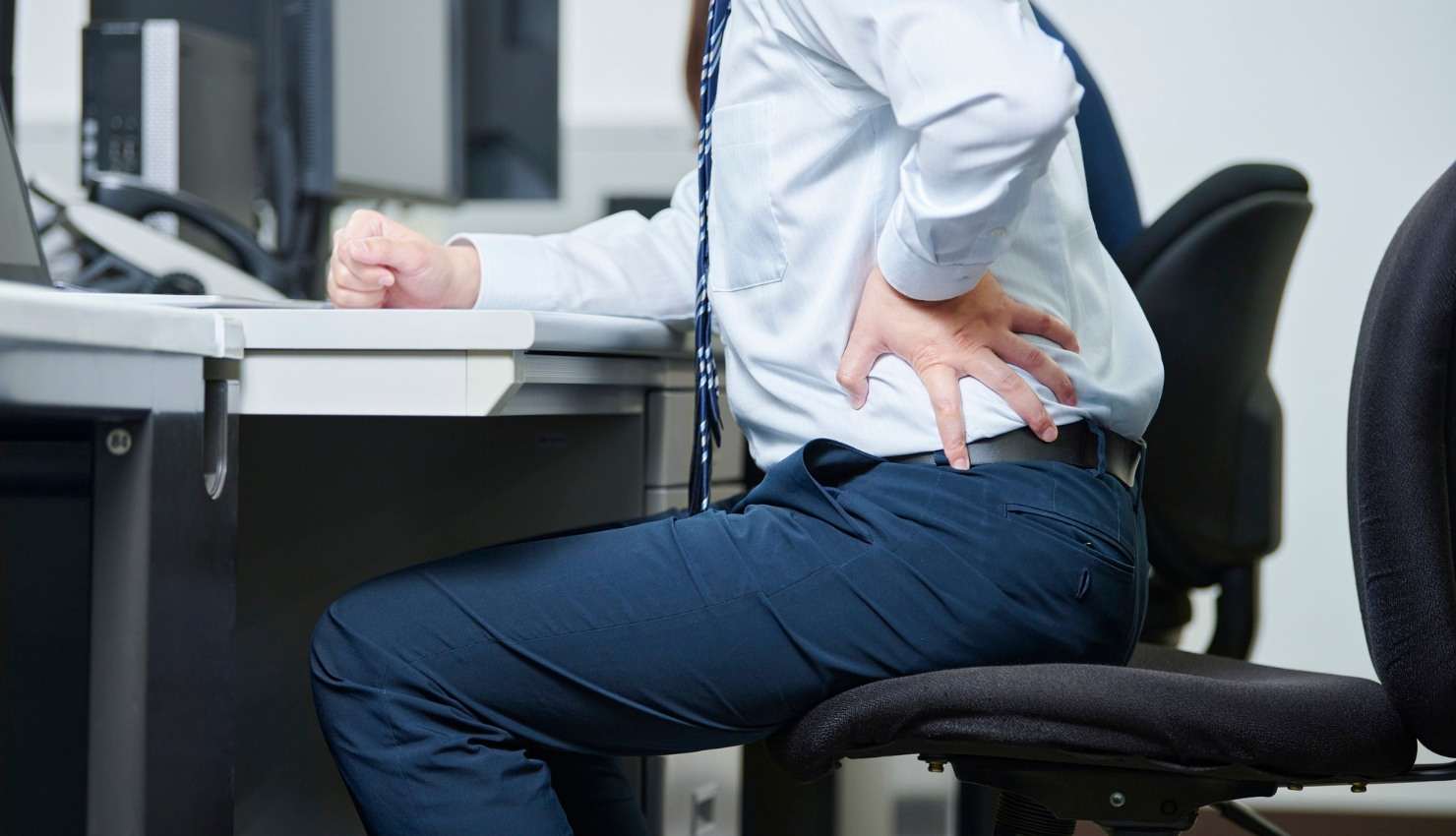
Identifies the Root Cause of Your Pain
Physiotherapists are trained to spot movement imbalances and poor habits that lead to pain.
? They assess:
Your posture and body mechanics
Muscle weaknesses or tightness
Desk setup and work habits
Movement limitations or previous injuries
?? Why it matters: Treating the root cause prevents pain from recurring.
?? 2. Improves Your Desk Setup with Ergonomic Guidance
An incorrect setup can strain your spine, wrists, and shoulders.
A physiotherapist can teach you how to:
Adjust your chair, desk, and screen for neutral alignment
Position your keyboard and mouse to avoid wrist and shoulder stress
Use props (like lumbar supports, footrests, or laptop risers) for comfort
?? A small change in setup can lead to a big improvement in how you feel.
????? 3. Teaches You Targeted Stretches and Mobility Drills
Sitting for long periods shortens muscles and stiffens joints. Physios prescribe movement routines to restore flexibility and ease tension.
?? Examples:
Neck and upper back stretches to fight tech neck
Hip flexor and hamstring stretches to counter prolonged sitting
Thoracic spine mobility exercises to improve posture and breathing
? Just 510 minutes a few times a day can reset your body.
?? 4. Builds Strength to Support Good Posture
You need strong postural muscles to hold your body in a healthy position especially your core, glutes, and upper back.
Physiotherapists create custom strength programs you can do at home, no gym required.
?????? Sample exercises:
Scapular retractions for shoulder alignment
Glute bridges and bird dogs for lower back support
Planks and wall sits for total core activation
?? Strength is the long-term solution to posture-related pain.
?? 5. Incorporates Movement Into Your Workday
Your physio can guide you on how and when to move during your workday.
? They may recommend:
Microbreaks every 3045 minutes
Standing or walking while on calls
Alternating between sitting and standing
Desk-based mini workouts
?? Movement is medicine even 23 minutes at a time can make a difference.
??? 6. Recommends Tools and Self-Treatment Techniques
A physiotherapist can show you how to use simple tools at home:
Foam rollers and massage balls to release tension
Resistance bands to strengthen weak muscles
Posture cues and reminder apps to build awareness
Taping techniques to offload painful areas (if needed)
?? Youll be equipped to treat and prevent discomfort on your own.
?? 7. Reduces Stress and Boosts Wellbeing
Pain and poor posture can increase stress, and stress can increase tension it’s a cycle.
Many physios include breathing techniques, relaxation practices, or gentle movement therapies to calm your nervous system and support your overall health.
?? A pain-free body helps create a clearer, calmer mind.