How Physiotherapy Can Help Your Post-Performance Recovery explores targeted strategies for recovery. Discover new paths to mobility, healing, and personalized care.

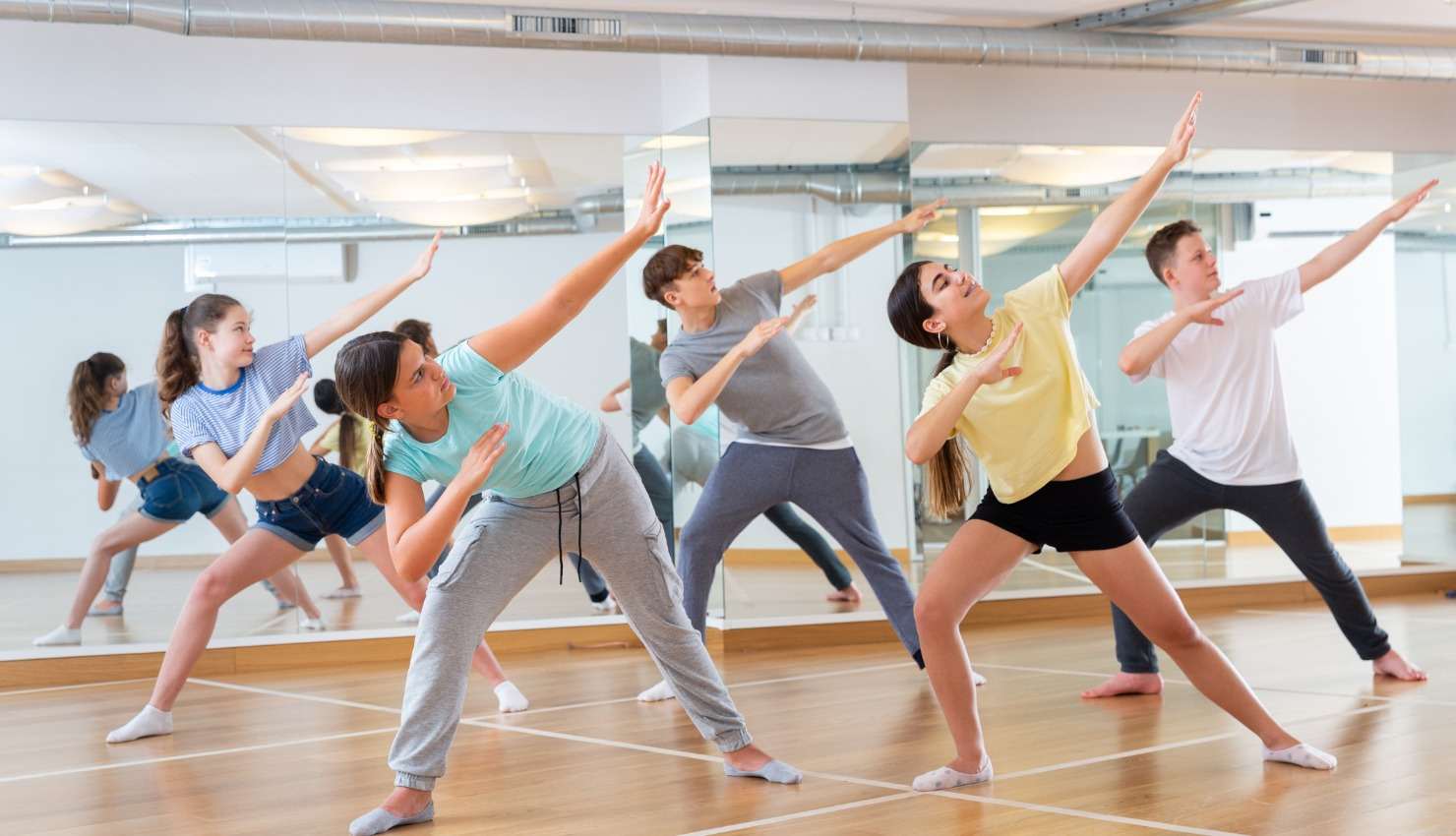
Dance performances are physically intenseoften pushing the body through hours of complex, high-impact movement. Without proper recovery, dancers are more prone to:
Delayed onset muscle soreness (DOMS)
Overuse injuries
Chronic fatigue and reduced flexibility
Decline in performance quality over time
Physiotherapy ensures that recovery isn’t passiveit’s purposeful.
Ways Physiotherapy Supports Post-Performance Recovery
1. Active Recovery Techniques
Physiotherapists use low-impact movement sessions to flush out lactic acid, promote circulation, and prevent stiffness. This might include:
Gentle stretching routines
Low-intensity mobility drills
Controlled Pilates or aquatic therapy
2. Soft Tissue Therapy
Hands-on techniques help relax tight muscles, reduce inflammation, and restore movement. Common methods include:
Myofascial release
Deep tissue massage
Trigger point therapy
3. Targeted Stretching and Joint Mobilization
Post-performance flexibility work helps relieve tension and realign the body. Physiotherapists guide:
Dynamic stretching to restore range of motion
Joint mobilization to ease compression in areas like the spine, hips, or ankles
4. Modalities to Reduce Pain and Inflammation
If theres acute soreness or swelling, physiotherapists may use:
Ice or heat therapy
Ultrasound or electrical stimulation
Compression therapy
5. Movement Assessment and Injury Screening
Even when you dont feel injured, physiotherapists can identify subtle signs of strain. Early detection means:
Quicker intervention
Prevention of long-term issues
Adjustments in training to avoid re-aggravation
6. Mental Recovery Support
Physiotherapy doesnt only address the physical. Techniques like breathing exercises, relaxation strategies, and guided movement can ease performance-related stress and improve mental focus for future training.
Benefits of Post-Performance Physiotherapy
Faster recovery time
Improved flexibility and circulation
Reduced risk of injury
Enhanced muscle repair and joint mobility
Long-term performance sustainability