How Physiotherapy Can Improve Mobility and Independence in Stroke Survivors explores targeted strategies for recovery. Discover new paths to mobility, healing, and personalized care.

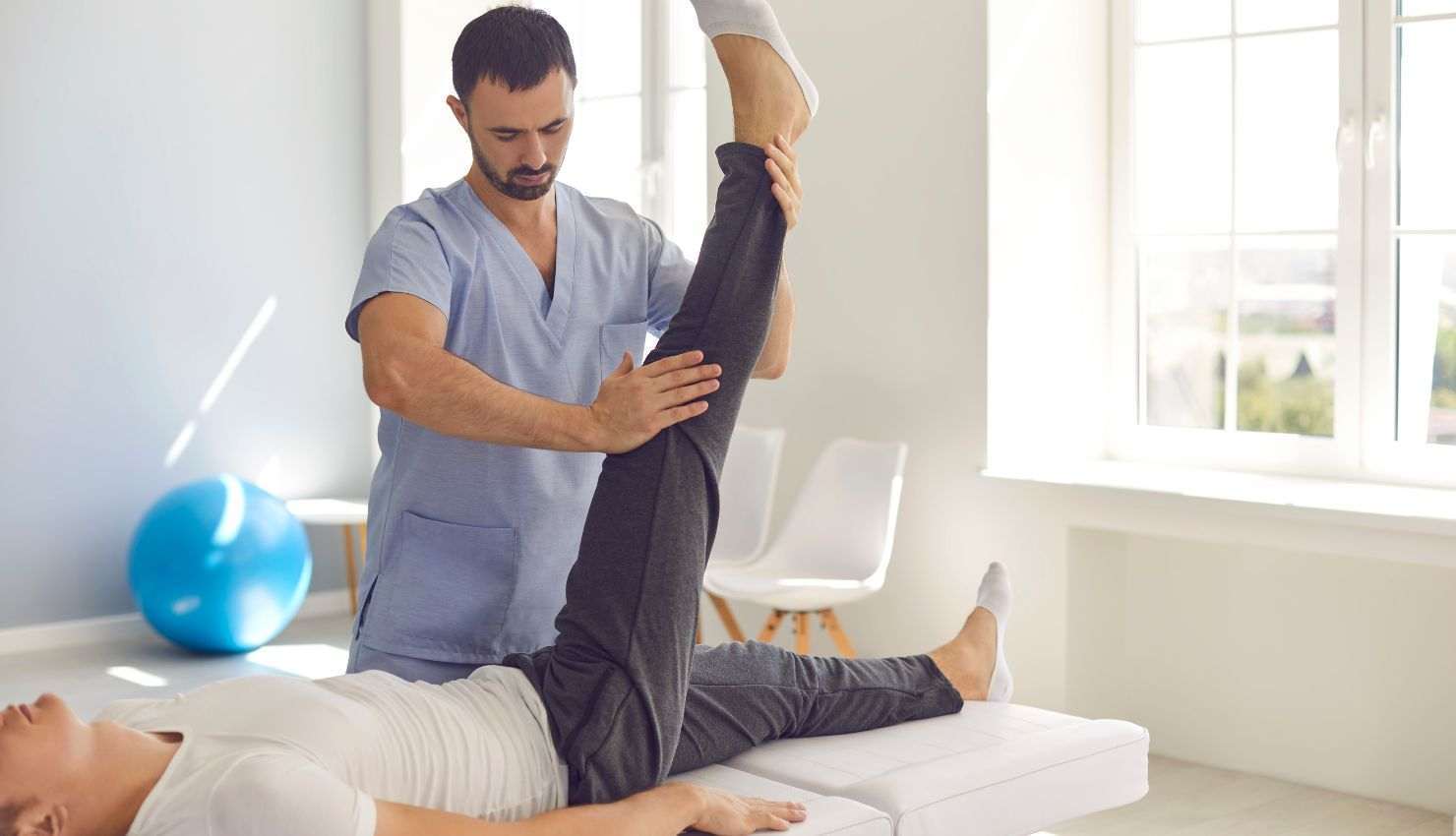
A stroke is a life-altering event that can leave survivors facing physical, cognitive, and emotional challenges. One of the most significant hurdles after a stroke is the loss of mobility and independence, which deeply affects quality of life. Physiotherapy plays an indispensable role in stroke rehabilitation by helping survivors regain movement, strength, and confidence to live more independently.
Understanding the Impact of Stroke on Mobility
A stroke occurs when blood flow to the brain is interrupted, causing brain cells to die. Depending on the area affected, this can result in weakness or paralysis on one side of the body, balance difficulties, and impaired coordination. These physical limitations often lead to reduced ability to walk, dress, or perform everyday tasks without assistance.
The Role of Physiotherapy in Stroke Rehabilitation
Physiotherapy aims to maximize recovery by retraining the brain and body through targeted exercises and therapies. Heres how physiotherapy supports stroke survivors:
Restoring Muscle Strength and Coordination
Muscle weakness is a common consequence of stroke. Physiotherapists design strength training programs to rebuild muscle function, focusing on affected limbs. Coordination exercises help retrain motor skills, enabling smoother and more controlled movements.
Improving Balance and Preventing Falls
Balance impairments increase the risk of falls, which can cause further injury. Physiotherapy incorporates balance training, including weight shifting, standing exercises, and use of assistive devices, to improve stability and reduce fall risk.
Enhancing Gait and Walking Ability
Walking independently is a major milestone in stroke recovery. Physiotherapists analyze gait patterns and use techniques such as treadmill training, overground walking practice, and functional electrical stimulation to improve stride, speed, and endurance.
Facilitating Neuroplasticity
The brains ability to reorganize itself, called neuroplasticity, is key to stroke recovery. Repetitive, task-specific physiotherapy exercises stimulate this process, helping the brain form new connections and regain lost functions.
Addressing Spasticity and Joint Stiffness
Spasticity (muscle tightness) can limit movement and cause pain. Physiotherapy uses stretching, manual therapy, and positioning strategies to reduce spasticity and maintain joint mobility.
Promoting Independence in Daily Activities
Beyond physical recovery, physiotherapists work on functional tasks such as transferring from bed to chair, climbing stairs, and dressing. These activities help survivors regain autonomy and confidence in daily life.
Personalized Rehabilitation Plans
Each stroke survivors recovery journey is unique. Physiotherapists assess individual needs and goals to tailor rehabilitation programs accordingly. This personalized approach maximizes effectiveness and keeps patients motivated.
Why Physiotherapy is Crucial in Canadas Stroke Care
Canada offers excellent access to physiotherapy services within its healthcare system, emphasizing multidisciplinary stroke rehabilitation. Early and ongoing physiotherapy intervention is associated with better outcomes, shorter hospital stays, and improved quality of life.
SEO Keywords for Stroke Rehabilitation
Important SEO terms integrated in this blog include “physiotherapy for stroke survivors,” “stroke rehabilitation exercises,” “improving mobility after stroke,” “stroke recovery physiotherapy Canada,” and “balance training stroke rehabilitation.” These keywords help stroke survivors and caregivers find expert physiotherapy resources.
Conclusion
The road to recovery after a stroke can be challenging, but physiotherapy provides hope and tangible progress. By improving strength, balance, coordination, and functional independence, physiotherapy empowers stroke survivors to reclaim their lives and enjoy greater freedom.
If you or a loved one is recovering from a stroke, partnering with a skilled physiotherapist can make all the difference. Through personalized care and dedicated rehabilitation, improved mobility and independence are well within reach.