Childbirth is one of the most transformative experiences in a womans life, but it often brings significant challenges to pelvic health. From muscle weakness and pain to incontinence and prolapse, postpartum complications are common.

Childbirth is one of the most transformative experiences in a womans life, but it often brings significant challenges to pelvic health. From muscle weakness and pain to incontinence and prolapse, postpartum complications are common. While these changes are natural, they dont have to be permanent. Physiotherapy for pelvic health after childbirth plays a crucial role in helping women regain strength, control, and confidence. Across Canada, more women are turning to pelvic floor physiotherapists to support their recovery and improve their quality of life.
What Happens to the Pelvic Floor During Childbirth?
The pelvic floor is a group of muscles, ligaments, and connective tissues that support the bladder, uterus, and bowel. During pregnancy and deliveryespecially vaginal birthsthese muscles stretch significantly. In some cases, they may even tear or become overstretched. Even cesarean deliveries dont fully protect against pelvic dysfunction, as pregnancy itself adds pressure and weight on the pelvic floor for months.
The result can include:
Urinary or fecal incontinence
Pelvic organ prolapse
Pain during intercourse
Core weakness and poor posture
Low back or hip pain
These symptoms often go untreated, either due to lack of awareness or the assumption that they are just part of motherhood. However, early physiotherapy intervention can make a significant difference in how well and how quickly women recover.
Core and Pelvic Floor Connection
One of the first goals of postpartum physiotherapy is to re-establish the connection between the pelvic floor and the deep core muscles. These include the diaphragm, transversus abdominis, and multifidus. When these muscles dont work together properly, the body compensates, often leading to poor posture, back pain, and instability.
Physiotherapists assess these imbalances and guide women through safe, progressive core activation exercises. This helps restore strength without placing additional strain on healing tissues.
Tailored Exercise Programs
Generic postpartum fitness programs often overlook the complexity of pelvic floor recovery. A registered pelvic health physiotherapist creates a customized plan based on the womans symptoms, delivery type, and body mechanics.
These programs often begin with:
Gentle kegel exercises
Deep breathing with pelvic floor awareness
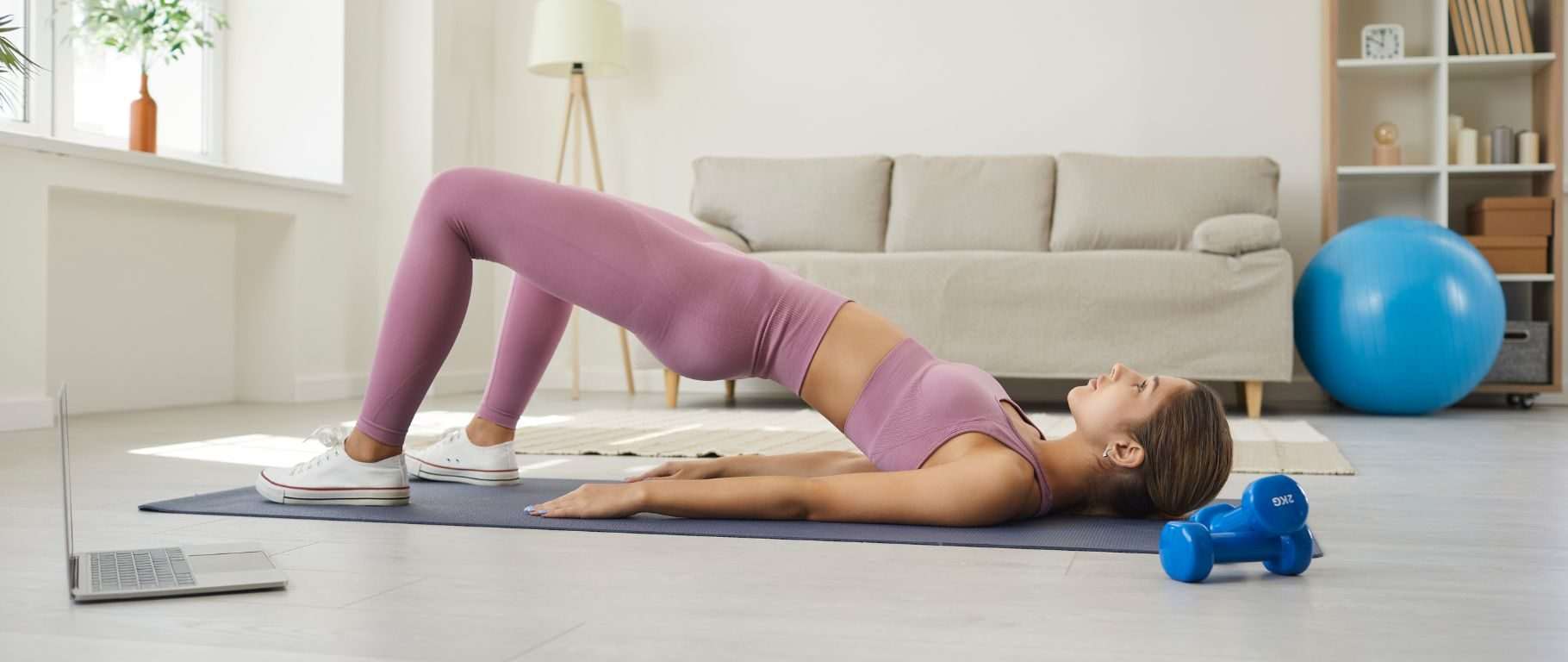
Pelvic tilts and bridges
Safe abdominal exercises avoiding strain
As healing progresses, the intensity of the exercises increases to include functional movements like squats, lunges, and core stabilization drills. This ensures women can return to daily life, parenting, and fitness with confidence.
Managing Urinary Incontinence
Urinary leakage is one of the most common postpartum complaints. Whether its a few drops during a sneeze or a full urge-related loss, this symptom signals dysfunction in the pelvic floor muscles.
Pelvic floor physiotherapy addresses this through:
Muscle retraining to improve tone and control
Bladder retraining to regulate urgency
Education on hydration and voiding habits
Biofeedback to monitor progress
With consistent sessions, many women experience a dramatic reduction in leakage and are able to resume physical activities without embarrassment.
Improving Sexual Health Postpartum
Pain or discomfort during sex after childbirth is a sensitive but important issue. Scarring, tight muscles, and hormonal changes can all play a role in reduced sexual comfort.
Physiotherapists help with:
Manual therapy to improve tissue mobility
Perineal massage to reduce scar sensitivity
Relaxation exercises to reduce muscle guarding
Education about positions and strategies that minimize pain
Addressing this aspect of recovery helps restore intimacy, improve self-esteem, and foster stronger relationships.
Emotional and Psychological Reassurance
The postpartum period can be emotionally overwhelming. Between sleep deprivation, physical healing, and caring for a newborn, many women feel disconnected from their bodies. Pelvic health issues can further exacerbate this disconnect.
Pelvic physiotherapists provide more than just exercises. They offer:
Education about whats normal and whats not
Empathetic listening and encouragement
Motivation to engage in self-care and healing
Referrals to mental health professionals when needed
This holistic approach ensures that both body and mind are supported during recovery.
When Should You Start Physiotherapy?
Most women can begin pelvic floor physiotherapy around 6 weeks postpartum, provided theyve had their doctors clearance. However, starting earlier with breathing and gentle awareness exercises is often safe. The key is to work with a physiotherapist who understands the postpartum journey and tailors the approach accordingly.
Its never too late to start, even if you gave birth monthsor yearsago. Many women see improvements long after the immediate postpartum period.
Long-Term Benefits of Early Physiotherapy
By addressing pelvic issues early, women reduce the risk of chronic pain, recurring prolapse, or long-term incontinence. Physiotherapy can also:
Improve posture and mobility
Enhance strength and endurance for parenting tasks
Prevent injury when returning to fitness routines
Support mental well-being and resilience
This investment in your health pays lifelong dividends.
Conclusion
Physiotherapy after childbirth isnt a luxuryits a vital part of maternal care. With targeted assessment and personalized treatment, pelvic floor physiotherapy empowers women to heal, strengthen, and thrive. Whether youre a new mother navigating recovery or someone who gave birth years ago and still struggles with symptoms, pelvic health physiotherapy can help you feel whole again. Its time to prioritize your recovery and reclaim your body, one step at a time.