How Physiotherapy Can Improve Your Performance as a Contemporary Dancer explores targeted strategies for recovery. Discover new paths to mobility, healing, and personalized care.

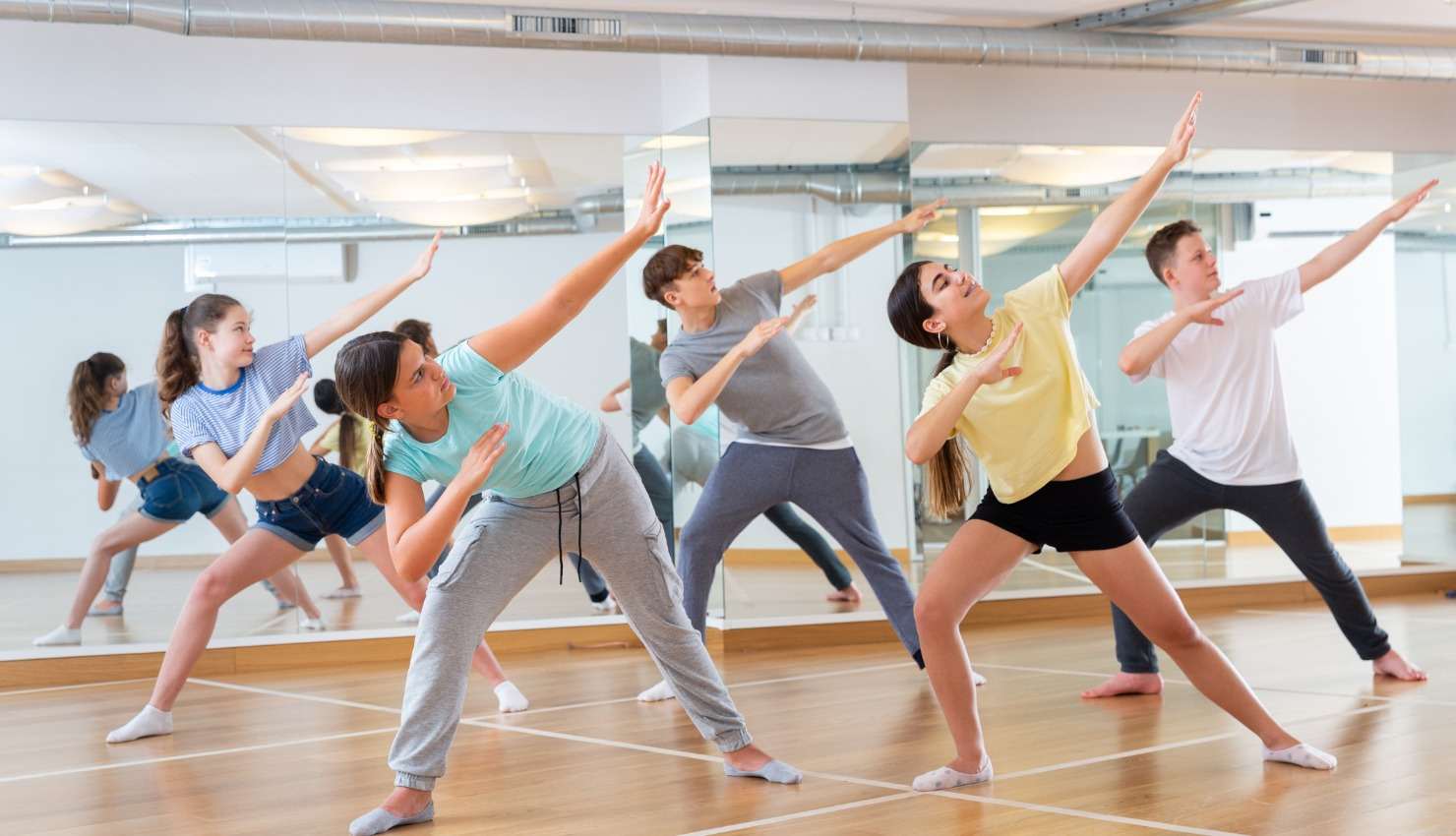
Contemporary dance is powerful, expressive, and demanding a fusion of athleticism and artistry that pushes the body beyond traditional technique. To excel and stay injury-free, dancers must build control, flexibility, strength, and emotional fluidity. Thats where physiotherapy becomes a vital tool, not just for injury recovery, but for maximizing performance potential.
?? Why Contemporary Dance Challenges the Body
Unlike structured classical forms, contemporary dance often includes:
Unpredictable movement patterns
Frequent floor work and inversions
Extreme flexibility requirements
Dynamic transitions between stillness and explosive action
Repetitive choreography rehearsals
This places strain on:
Spine and core stability
Shoulders and wrists (during weight-bearing)
Hips, knees, and ankles (during deep pliés and jumps)
Without proper physical care, even advanced dancers are at risk of overuse injuries, chronic pain, and burnout.
?? How Physiotherapy Enhances Contemporary Dance Performance
? 1. Improved Flexibility and Range of Motion
Contemporary movement often requires:
Deep spinal articulation
Extreme hip mobility
Open shoulders and hamstrings
Physiotherapists use:
Assisted stretching
Myofascial release
Joint mobilization
?? Result: Greater control in flexibility, fewer compensations, and increased access to movement range without injury risk.
? 2. Enhanced Core Strength and Movement Control
Physiotherapists identify weaknesses in the deep core, glutes, and stabilizers. They prescribe functional exercises to:
Build pelvic and spinal control
Improve transitions between levels (e.g., standing to floor)
Support balance and dynamic stability during turns, leaps, or inversions
?? Benefit: Your movements become sharper, safer, and more intentional.
? 3. Refined Body Awareness and Alignment
Contemporary dancers often perform off-balance or asymmetrical movements. A physio helps you:
Improve proprioception (body awareness in space)
Identify and correct alignment issues
Train symmetrical strength for asymmetrical choreography
?? This leads to better execution and reduced risk of repetitive strain injuries.
? 4. Injury Prevention and Early Intervention
Common issues in contemporary dancers include:
Hip impingement
Low back pain
Wrist and shoulder strain
Achilles tendinopathy
A physiotherapist provides:
Screening to detect dysfunction early
Customized warm-up and cool-down routines
Recovery protocols to reduce fatigue and overuse
??? Staying injury-free means more stage time and less missed training.
? 5. Optimized Recovery and Longevity
Through manual therapy, soft tissue release, and guided rehabilitation, physios:
Accelerate muscle recovery
Address pain before it worsens
Help dancers bounce back quickly between rehearsals or tours
? Physiotherapy helps dancers sustain long-term careers by managing wear and tear effectively.
?? Real-World Enhancements
Area Physiotherapy Benefit
Jumps & Elevation Strengthens glutes and calves for higher, safer lifts
Floor Work Protects spine and shoulders with mobility + stability
Improvisation Improves fluidity with joint freedom and muscular control
Partnering Builds load tolerance and postural alignment