How Physiotherapy Can Improve Your Turn-Out and Flexibility explores targeted strategies for recovery. Discover new paths to mobility, healing, and personalized care.

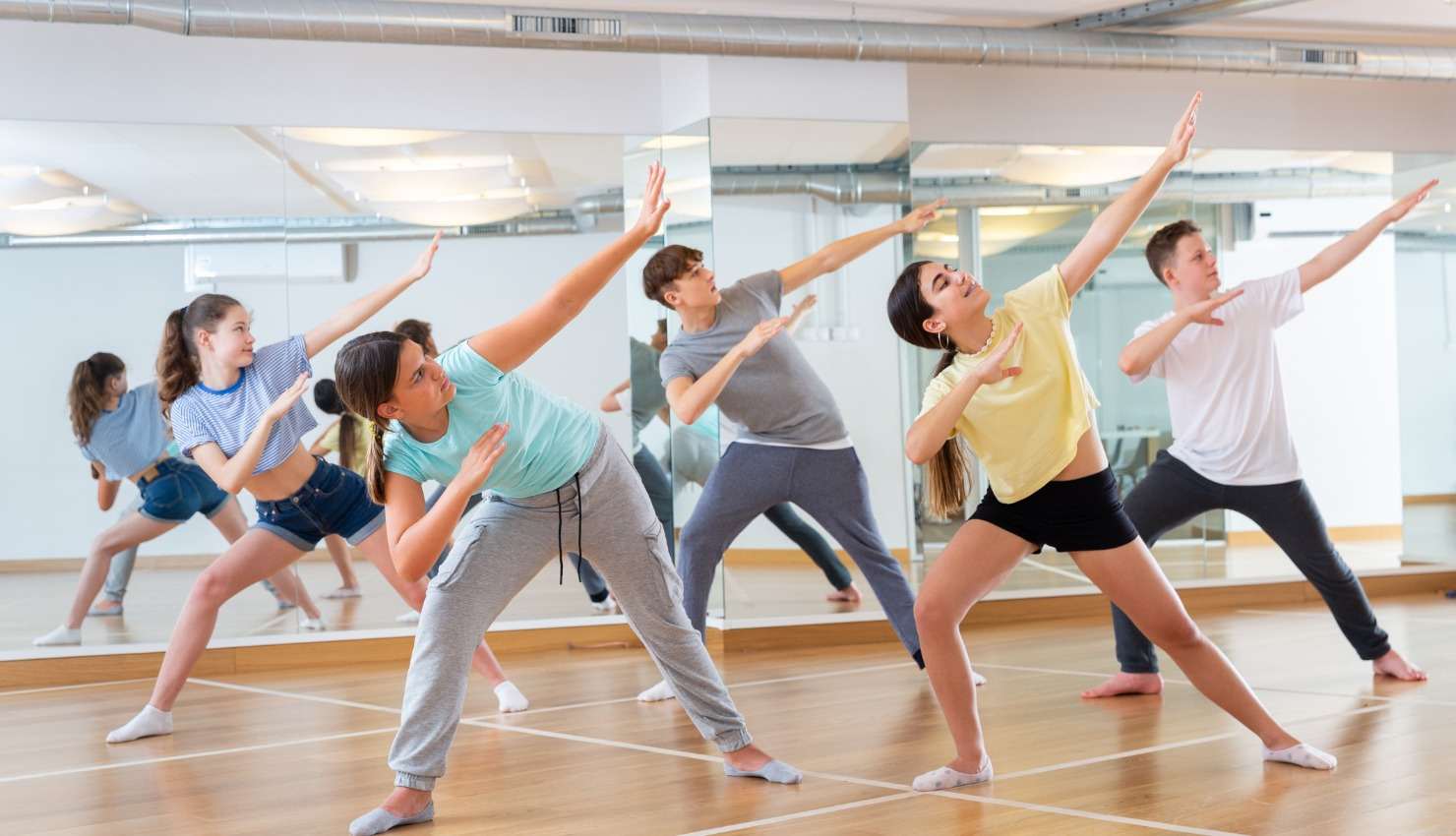
Turn-out and flexibility are fundamental components of many dance styles, especially ballet and contemporary dance. Turn-outthe outward rotation of the legs from the hipsand flexibility together contribute to elegant lines, extended movements, and technical precision. However, achieving and maintaining optimal turn-out and flexibility requires more than just stretching. Physiotherapy can play a crucial role in improving these aspects safely and effectively, helping dancers maximize their potential while minimizing injury risks.
What is Turn-Out and Why Does it Matter?
Turn-out refers to the ability to rotate your legs outward from the hip sockets, allowing your feet and knees to point away from the bodys midline. In dance, a proper turn-out improves balance, stability, and the aesthetic quality of movements. However, not every dancers anatomy allows for an extreme range of turn-out, and forcing it beyond your natural capacity can lead to injuries such as hip impingement, knee strain, or ankle instability.
Physiotherapy helps dancers understand their individual anatomical limitations and works on improving turn-out through safe, targeted interventions.
Assessment of Turn-Out Limitations
A physiotherapist starts by assessing your current range of motion, muscle strength, and joint mobility. They analyze your pelvis alignment, hip joint flexibility, and muscular imbalances that might restrict your turn-out or cause compensatory movements. Identifying weaknesses in hip rotators, tightness in the hip flexors, or poor core stability allows the physiotherapist to design a personalized treatment plan.
Targeted Exercises to Enhance Hip Mobility
Improving turn-out involves increasing hip external rotation while maintaining joint stability. Physiotherapists prescribe exercises focusing on strengthening the deep hip rotator muscles such as the piriformis, obturator internus, and gemelli, which control leg rotation. Simultaneously, they guide dancers through stretching tight muscles like the hip flexors, adductors, and internal rotators that can limit turn-out.
Examples of effective exercises include clamshells, resisted hip external rotation, and controlled dynamic stretches that improve both flexibility and strength.
The Role of Core Stability
A strong and stable core is vital for dancers to maintain alignment during turn-out and prevent excessive strain on the hips and knees. Physiotherapy incorporates core strengthening exercises such as planks, pelvic tilts, and stability ball work to enhance trunk control. Improved core stability supports correct posture and allows the hips to move more freely and safely.
Addressing Muscle Imbalances and Postural Issues
Muscle imbalanceswhere some muscles are stronger or tighter than otherscan limit turn-out and cause compensations that increase injury risk. Physiotherapists identify imbalances between the inner and outer thigh muscles, hamstrings, and quadriceps, then tailor programs to restore muscular harmony. Additionally, postural corrections, including pelvic positioning and spinal alignment, further contribute to optimal hip function.
Enhancing Flexibility Safely
Flexibility is a cornerstone of dance performance, but overstretching or improper technique can cause joint laxity or muscle strains. Physiotherapy emphasizes safe, progressive flexibility training that respects the bodys limits. Techniques include proprioceptive neuromuscular facilitation (PNF) stretching, active isolated stretching, and myofascial release, all guided by professional supervision to prevent injury.
Improving Neuromuscular Control
Physiotherapy not only focuses on muscles and joints but also trains the nervous system to improve coordination and control. Neuromuscular exercises help dancers activate the correct muscles at the right time, enhancing precision in turn-out and flexible movements. Balance training, movement retraining, and functional exercises are part of this process.
Preventing Injury During Turn-Out and Flexibility Training
Many dancers experience pain or injury due to excessive force or poor technique during turn-out and stretching. Physiotherapy educates dancers on proper warm-up routines, gradual progression of exercises, and body awareness to avoid overuse injuries like hip labral tears, iliotibial band syndrome, or ankle sprains.
Integrating Physiotherapy with Dance Practice
Physiotherapy is most effective when integrated into regular dance training. Physiotherapists collaborate with dancers and instructors to ensure exercises complement dance routines. This holistic approach encourages consistent progress, balanced conditioning, and injury resilience.
Conclusion: Achieve Your Best Turn-Out and Flexibility with Expert Support
Improving turn-out and flexibility is a nuanced process that benefits greatly from professional guidance. Physiotherapy offers a scientific, personalized approach that enhances hip mobility, strengthens supporting muscles, corrects imbalances, and protects your body from injury.
By incorporating physiotherapy into your dance routine, you can safely increase your range of motion, improve your technique, and elevate your overall performance. Invest in your bodys health and flexibility to enjoy a rewarding and injury-free dance journey.