How Physiotherapy Can Keep Your Body in Top Shape for Dance explores targeted strategies for recovery. Discover new paths to mobility, healing, and personalized care.

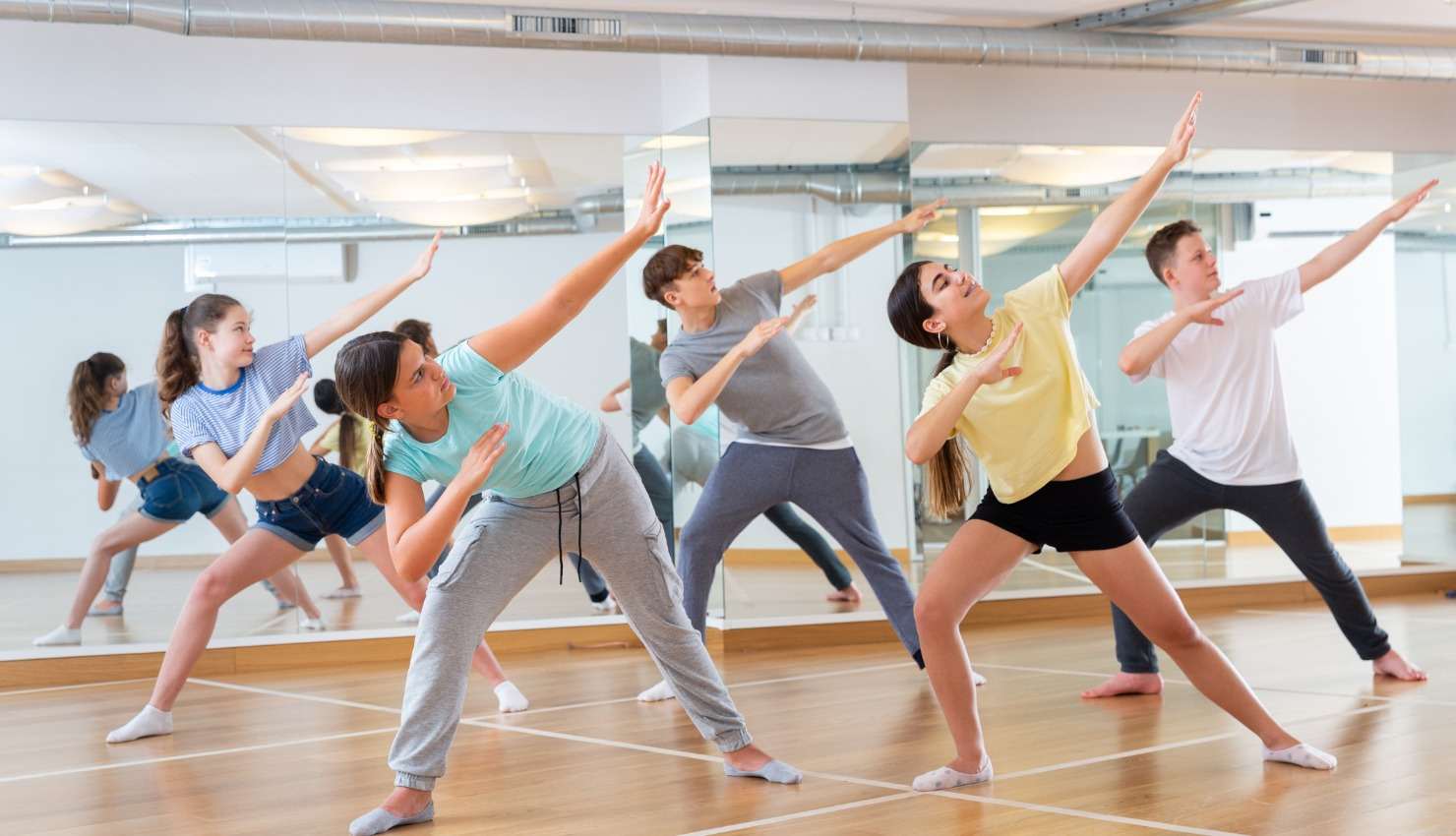
Dancing is an incredibly physically demanding activity that requires strength, flexibility, endurance, and coordination. Whether youre a professional dancer or simply someone who loves to move, maintaining your body in peak condition is essential to prevent injuries and improve your performance. Physiotherapy plays a significant role in helping dancers stay in top shape by improving mobility, strength, flexibility, and overall body function. In this blog, well explore how physiotherapy can keep your body in prime condition for dance and enhance your performance.
Why Your Body Needs to Be in Top Shape for Dance
Dancing puts a tremendous amount of strain on your body, especially on your muscles, joints, and bones. Repeatedly performing high-impact movements, jumps, and rotations can result in wear and tear over time. Whether you’re performing ballet, jazz, contemporary, or hip-hop, each dance style places unique demands on the body.
Having your body in optimal shape means more than just looking goodit ensures you can execute movements with ease and grace while minimizing the risk of injury. Strength, flexibility, and joint stability are all key components of a dancers physical fitness, and physiotherapy is a crucial tool in achieving and maintaining these.
How Physiotherapy Helps Keep Dancers in Top Shape
Physiotherapy isnt just for recovering from injuries; its an essential part of a dancer’s overall wellness routine. Heres how physiotherapy helps keep your body in top shape for dance:
1. Improving Flexibility and Mobility
Flexibility is critical for dancers. The ability to perform grand pliés, high kicks, or deep extensions without injury is a result of well-maintained flexibility. Physiotherapists can develop personalized stretching programs to improve the flexibility of key muscle groups such as the hamstrings, quads, calves, and hip flexors.
Through targeted stretches and mobility exercises, physiotherapists also focus on improving joint mobility, particularly in areas that bear a lot of strain during dance movements, such as the ankles, knees, hips, and spine. Greater mobility and flexibility in these areas allow for more fluid and controlled movement, making your dancing more graceful and reducing the risk of strains or sprains.
2. Strengthening Muscles for Support and Stability
While flexibility is important, strength is equally vital for dancers. Strong muscles provide the support and stability needed to hold difficult poses, perform jumps, and move fluidly. Physiotherapists design strength-building exercises to target the muscles most used in dance, such as the core, legs, and glutes.
A strong core is particularly essential, as it stabilizes your spine and pelvis, helping you maintain proper posture and alignment during movements. Strengthening exercises for the legs and hips ensure that dancers can execute jumps, landings, and fast movements safely, preventing injury while enhancing performance. For example, resistance training and bodyweight exercises such as squats, lunges, and planks can effectively strengthen key muscle groups.
3. Joint Health and Injury Prevention
Joint health is vital for dancers who rely on smooth, coordinated movements to express themselves through their art. Whether its the knees, ankles, or hips, the joints endure a lot of stress during dance, especially when performing high-impact movements.
Physiotherapists are trained to assess joint function and ensure that you have proper alignment and mobility in each joint. They also focus on strengthening the muscles surrounding the joints to provide better support and stability. By maintaining joint health, physiotherapists help dancers avoid injuries such as sprains, strains, or joint wear and tear that may result from improper technique or overuse.
4. Balancing and Improving Posture
Good posture is a foundational element of dance. Proper posture allows dancers to execute movements efficiently, while poor posture can lead to muscle imbalances and increase the risk of strain or injury. Physiotherapists can help identify and correct poor posture by strengthening the muscles responsible for maintaining correct alignment, such as the back, shoulders, and core muscles.
By improving your posture, physiotherapy helps you maintain the ideal body position for different dance moves, whether you’re holding a ballet position or executing a high-energy routine. Correct posture also reduces unnecessary strain on muscles and joints, which can contribute to long-term discomfort or injury.
5. Preventing Overuse Injuries
Dancers often practice and rehearse for hours every day, which increases the risk of overuse injuries. Overuse injuries occur when a part of the body is repetitively stressed without proper recovery, leading to inflammation, pain, and fatigue.
Physiotherapists can help you manage the load placed on your body through customized strength and flexibility programs designed to prevent overuse injuries. They will also guide you on the importance of rest and recovery, ensuring that you don’t push your body too hard. Moreover, physiotherapists can teach dancers proper warm-up and cool-down techniques to prepare the body for intense activity and ensure it recovers well afterward.
6. Tailored Rehabilitation Programs
If a dancer does experience an injury, physiotherapy becomes an essential part of the rehabilitation process. Whether its a pulled muscle, sprained ankle, or strained back, physiotherapists create rehabilitation programs designed to facilitate healing while maintaining function. These programs focus on restoring strength, flexibility, and mobility to the injured area and ensure that the dancer can safely return to their routine.
The rehabilitation process is carefully managed to prevent re-injury, focusing on progressive loading of the muscles and joints involved in the injury. Physiotherapists also help dancers learn techniques for modifying their movements temporarily to avoid further strain, ensuring a quicker and safer return to dancing.
7. Educating Dancers on Body Awareness
One of the most valuable benefits of physiotherapy is education. Physiotherapists teach dancers how to understand their bodies better and recognize early warning signs of strain or injury. By improving body awareness, dancers can avoid pushing themselves too hard and learn when to rest or adjust their technique.
Physiotherapists also provide education on proper techniques for warming up, cooling down, and stretching, all of which are crucial for maintaining body health over the long term. This education empowers dancers to take better care of their bodies and make informed decisions about training and performance.
The Long-Term Benefits of Physiotherapy for Dancers
By regularly incorporating physiotherapy into your dance routine, youre not just preventing injury and improving performance in the short term. The long-term benefits are substantial and include:
Improved Technique: With better posture, balance, and flexibility, your overall technique will improve, allowing you to perform more complicated routines with greater ease.
Injury Prevention: Ongoing physiotherapy ensures that muscles and joints remain strong, flexible, and well-aligned, which minimizes the risk of injuries.
Longevity in Dance: Physiotherapy helps maintain your bodys health over time, allowing you to continue dancing and performing at your best well into the future.
Faster Recovery: With a personalized physiotherapy plan, dancers can recover faster from injury and get back to their training without losing valuable time.
Conclusion
As a dancer, your body is your most valuable asset. Keeping it in top shape is essential for both performance and longevity in dance. Physiotherapy plays a crucial role in ensuring that you stay injury-free, perform at your best, and maintain overall health. Whether youre looking to improve flexibility, strengthen muscles, correct posture, or prevent overuse injuries, physiotherapy offers tailored solutions to meet your unique needs.
For dancers in Canada, YourFormSUX provides expert physiotherapy services that will keep your body in top condition for dance. Embrace physiotherapy today to enhance your performance, prevent injuries, and maintain peak physical condition throughout your dance career.