Pelvic pain isnt just a symptomits an experience that impacts daily life, intimacy, and confidence. But relief is possible.

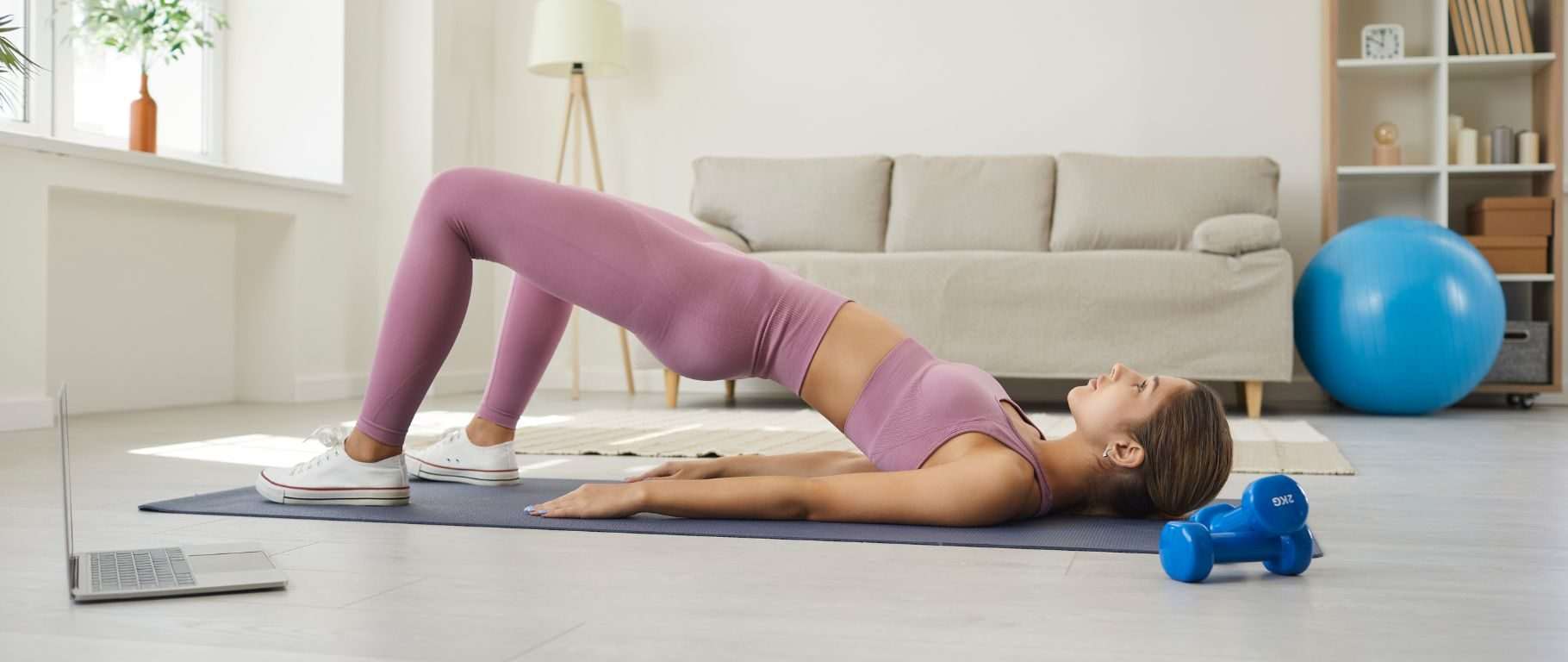
Pelvic pain isnt just a symptomits an experience that impacts daily life, intimacy, and confidence. But relief is possible. Modern pelvic floor physiotherapy offers effective, evidence-based strategies to reduce pelvic pain, restore function, and bring life back into balance.
When you hear phrases like pelvic pain relief, pelvic floor therapy, or pelvic discomfort physiotherapist online, you’re likely searching for an approach that worksand physiotherapy delivers.
Finding the Root: What Makes Pelvic Floor Physiotherapy Effective?
Pain in the pelvic region can have many causesendometriosis, postpartum strain, chronic prostatitis, hip dysfunction, urinary incontinence, interstitial cystitis, or simply muscle tension. Pelvic floor therapy gets to the source:
Thorough assessment. A qualified pelvic health physiotherapist evaluates posture, muscle tone, alignment, gait, breathing patterns, and tactile feedback. That means insight into whether hypertonicity (excessive muscle tension), trigger points, alignment problems, or even emotional stress are at play.
Targeted muscle retraining. Customized exercises strengthen or relax key musclesthe levator ani, pubococcygeus, transverse abdominis. Retraining those muscles improves support for pelvic organs, reduces strain, and restores functional biomechanics.
Manual therapy & myofascial release. Skilled manual techniques can release scar tissue (from surgery or episiotomy), ease connective tissue restrictions, and desensitize tender areas. That hands-on touch breaks down adhesions, eases trigger points, and enhances circulation.
Postural re-education. Poor posturelike anterior pelvic tilt or a slouched lower backcan exacerbate pelvic pain. Your therapist teaches optimal sitting, standing, and movement patterns to reduce undue stress.
How Pelvic Physiotherapy Helps Specific Conditions
Postpartum pelvic discomfort
Pregnancy and birth place enormous strain on pelvic muscles and ligaments. Physiotherapy assists with pelvic floor muscle rehabilitation, scar desensitization, diastasis recti correction, and restoring core support.
SEO boost: postpartum pelvic floor physiotherapy
Pelvic girdle pain and symphysis pubis dysfunction
Common during pregnancy and after, this can be alleviated through targeted stabilization exercises, hip alignment, and tailored education on load management.
Chronic pelvic pain syndrome / endometriosis
Women with chronic pelvic conditions often have tense pelvic floor muscles and fascial sensitivities. Gentle pelvic floor relaxation techniques, breathing exercises, and internal release can reduce nerve hypersensitivity and discomfort.
Male pelvic pain / prostatitis
Men with chronic prostatitis or chronic pelvic pain syndrome benefit from pelvic floor muscle down-training. Techniques like biofeedback, diaphragmatic breathing, and perineal release ease symptoms like urgency, discomfort, and urinary frequency.
Urinary incontinence / urgency
Weak pelvic support and inadequate coordination can lead to leakage. Strengthening protocols, bladder retraining, and education help restore continenceand confidence.
What Real Clients Say
Clients often describe relief after only a few physiotherapy sessions when their symptoms respond well to pelvic floor retraining, posture adjustment, and gentle manual work. Many report:
Less pelvic heaviness or sharp pain
Fewer urinary cravings or accidents
Easier movement, improved core stability
Better sleep and renewed energywithout anxiety about pain flare-ups
What to Expect in Your Sessions
First visit: In-depth pelvic health history, intake on symptom patterns, and a guided physical assessment (externallyand, when appropriate and with consent, internally).
Individual treatment plan: Based on assessment, your therapist prescribes modified pelvic floor relaxation or strengthening exercises, breathing training, posture correction, lifestyle and toileting recommendations.
Active follow-up: Clients often perform guided home workouts or daily coordination drills. Therapists monitor progress, adjust progressions or techniques, and check symptom changes.
Over 48 sessions (sometimes sooner), clients often experience meaningful improvementreduced pelvic aching, improved bladder control, better sexual comfort, and movement without fear of pain.
Why Choosing a Pelvic Floor Specialist Matters
While general physiotherapists support many issues, pelvic pain requires specialized traininghands-on visceral mobilization, internal assessment skills, and expertise with pelvic-specific conditions. Look for clinicians with:
Pelvic health certification
Experience in postpartum, endometriosis, interstitial cystitis, prostatitis care
Comfortable and trauma-informed communication
Willingness to collaborate with gynecologists, urologists, or pain specialists
Through a multidisciplinary, patient-sensitive approach, your pelvic discomfort transforms from an ongoing burden into a story of regained mobility, enjoyment, and everyday comfort.
Your Next Steps
Book a pelvic floor physiotherapy appointment with a qualified clinicianideally one endorsed by Your Forms UX in Canada.
Do a symptom diary: Track when pain occurs, what worsens or improves it, and any bladder or bowel changes. This offers critical insight for your physiotherapist.
Set realistic goals: Pain-free intimacy, moving without hesitation, sleeping comfortably. Having clear milestones helps keep things on track.
Stay committed: Small daily exercisesbreathing drills, posture resetsadd up quickly with consistent practice.
Chronic pelvic pain and discomfort dont have to be lifelong struggles. With expert pelvic physiotherapy, you can restore stability, ease, and confidence in your body. Connect with a pelvic health physiotherapist todayand take an active step toward getting back to living without limits.