Tendonitis can sneak up on you a nagging ache in your shoulder, a burning pain in your elbow, or a sore spot in your knee or ankle that just wont go away. Whether its from repetitive strain, overuse, or a sudden injury, tendonitis is your bodys way of saying a tendon has been pushed …

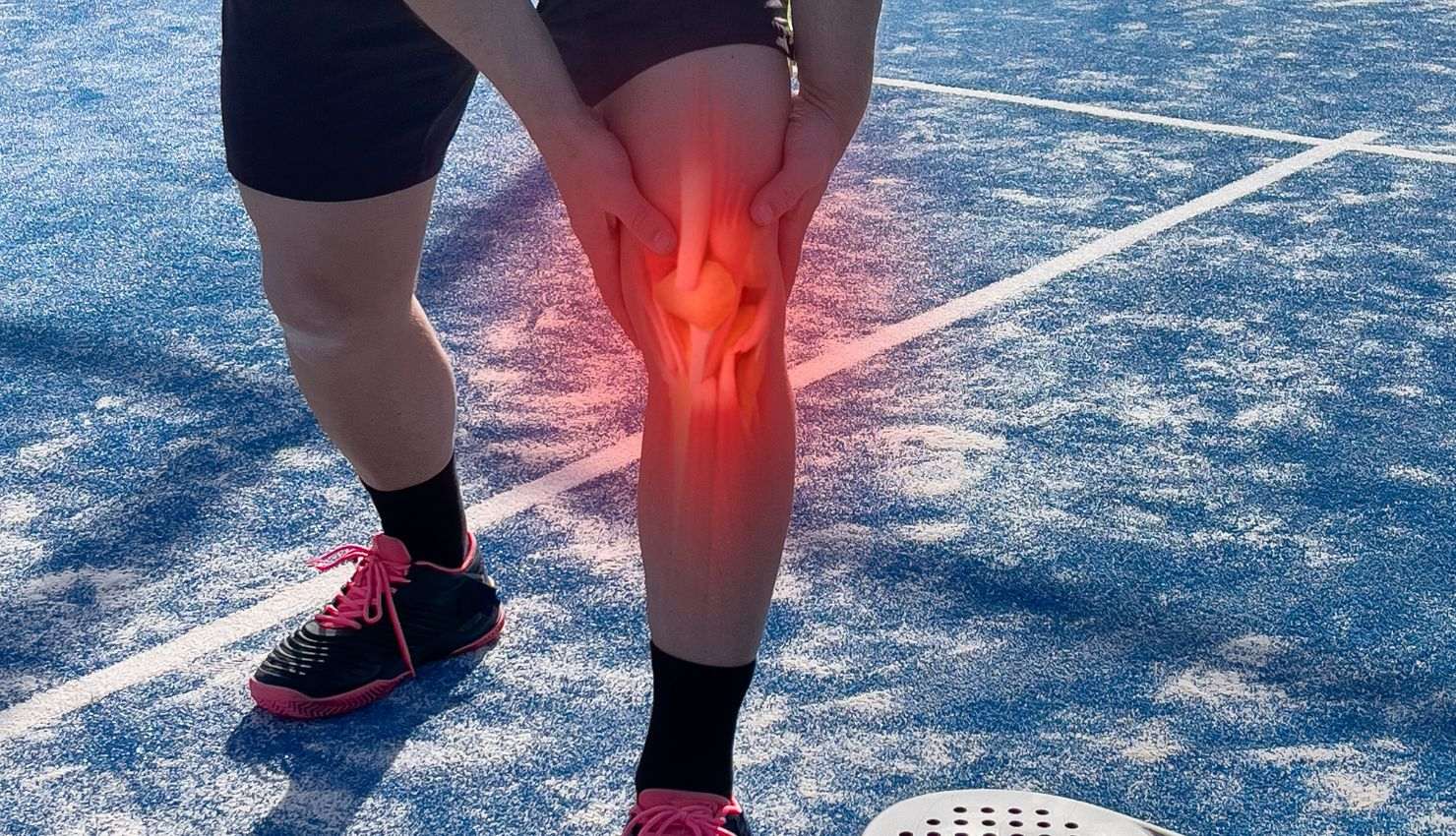
Tendonitis can sneak up on you a nagging ache in your shoulder, a burning pain in your elbow, or a sore spot in your knee or ankle that just wont go away. Whether its from repetitive strain, overuse, or a sudden injury, tendonitis is your bodys way of saying a tendon has been pushed too far.
The good news? You dont have to live with the pain or let it limit your movement. Physiotherapy offers proven, drug-free techniques to reduce inflammation, ease discomfort, and restore healthy function.
Lets explore how physiotherapy helps relieve tendonitis and gets you back to your normal activities pain-free.
?? What Is Tendonitis?
Tendonitis is the inflammation or irritation of a tendon the thick, fibrous tissue that connects muscle to bone. It commonly affects areas that see frequent movement or repetitive stress, such as:
Shoulder (rotator cuff tendonitis)
Elbow (tennis or golfers elbow)
Knee (jumpers knee)
Achilles tendon (back of the ankle)
Wrist (common in office workers or athletes)
Symptoms often include:
Dull or sharp pain near a joint
Swelling or tenderness
Stiffness, especially after rest
Pain that worsens with activity
?? How Physiotherapy Helps Tendonitis
1?? Comprehensive Assessment
Your physiotherapist will begin with a detailed evaluation to understand:
Which tendon is affected
What movements or habits may be causing the strain
Whether muscle imbalances or poor biomechanics are involved
How severe the inflammation is
This personalized approach ensures your treatment is specific and effective not just generic stretches and exercises.
2?? Pain and Inflammation Management
In the early stages, reducing inflammation is a top priority. Your physiotherapist may use:
Cold therapy to reduce swelling and numb discomfort
Ultrasound or laser therapy to stimulate blood flow and healing
TENS (electrical stimulation) for pain relief
Soft tissue massage to reduce muscle tightness around the affected tendon
These treatments help settle your symptoms so you can begin to move comfortably again.
3?? Gentle, Guided Movement
Complete rest might sound like a good idea, but total inactivity can actually make tendonitis worse. Physiotherapists introduce controlled, pain-free movement to:
Keep the tendon from stiffening
Improve circulation
Maintain joint mobility
This stage focuses on active recovery not overloading, but not freezing up either.
4?? Progressive Strengthening
Once pain starts to improve, your physiotherapist will introduce eccentric strengthening exercises where the muscle lengthens under load (e.g., slowly lowering a weight). These exercises are especially effective for treating tendonitis and helping tendons heal stronger.
Examples might include:
Heel drops for Achilles tendonitis
Slow, resisted wrist extensions for tennis elbow
Controlled step-downs for patellar tendonitis
Strengthening also focuses on the muscles around the tendon to support and protect it long term.
5?? Stretching and Mobility Work
Tight muscles can put extra stress on tendons. Your physio will guide you through safe stretching to release:
Calves and hamstrings for lower limb tendonitis
Forearms and upper arms for elbow issues
Chest and shoulders for upper body support
Improving flexibility reduces strain and supports pain-free movement.
6?? Posture and Technique Coaching
Many cases of tendonitis come from poor mechanics whether its how you lift, type, run, or swing a tennis racket. Your physiotherapist will help you:
Adjust technique to reduce tendon overload
Improve workplace or sports ergonomics
Build better movement patterns to avoid flare-ups
This coaching helps prevent re-injury and supports long-term healing.
7?? Gradual Return to Activity
Your physio wont just get rid of the pain theyll help you safely return to the activities you love, whether its:
Running
Playing sports
Working at a desk
Lifting at the gym
Youll follow a progressive, step-by-step plan to rebuild tolerance, strength, and confidence.
? Conditions Physiotherapy Can Help
Achilles tendonitis
Patellar (knee) tendonitis
Rotator cuff tendonitis
Tennis elbow (lateral epicondylitis)
Golfers elbow (medial epicondylitis)
De Quervains tendonitis (thumb/wrist)
Whether the tendon is mildly inflamed or youve been dealing with pain for months, physiotherapy offers solutions that work.
In a Nutshell
Tendonitis can be frustrating, but it doesnt have to be permanent. With the right physiotherapy treatment, you can reduce pain, improve mobility, and build lasting strength to keep the problem from coming back.
So if that nagging tendon pain is holding you back, dont wait it out a physiotherapist can help you recover faster and move better.