How Physiotherapy Enhances Joint Function and Flexibility for Aging Adults explores targeted strategies for recovery. Discover new paths to mobility, healing, and personalized care.

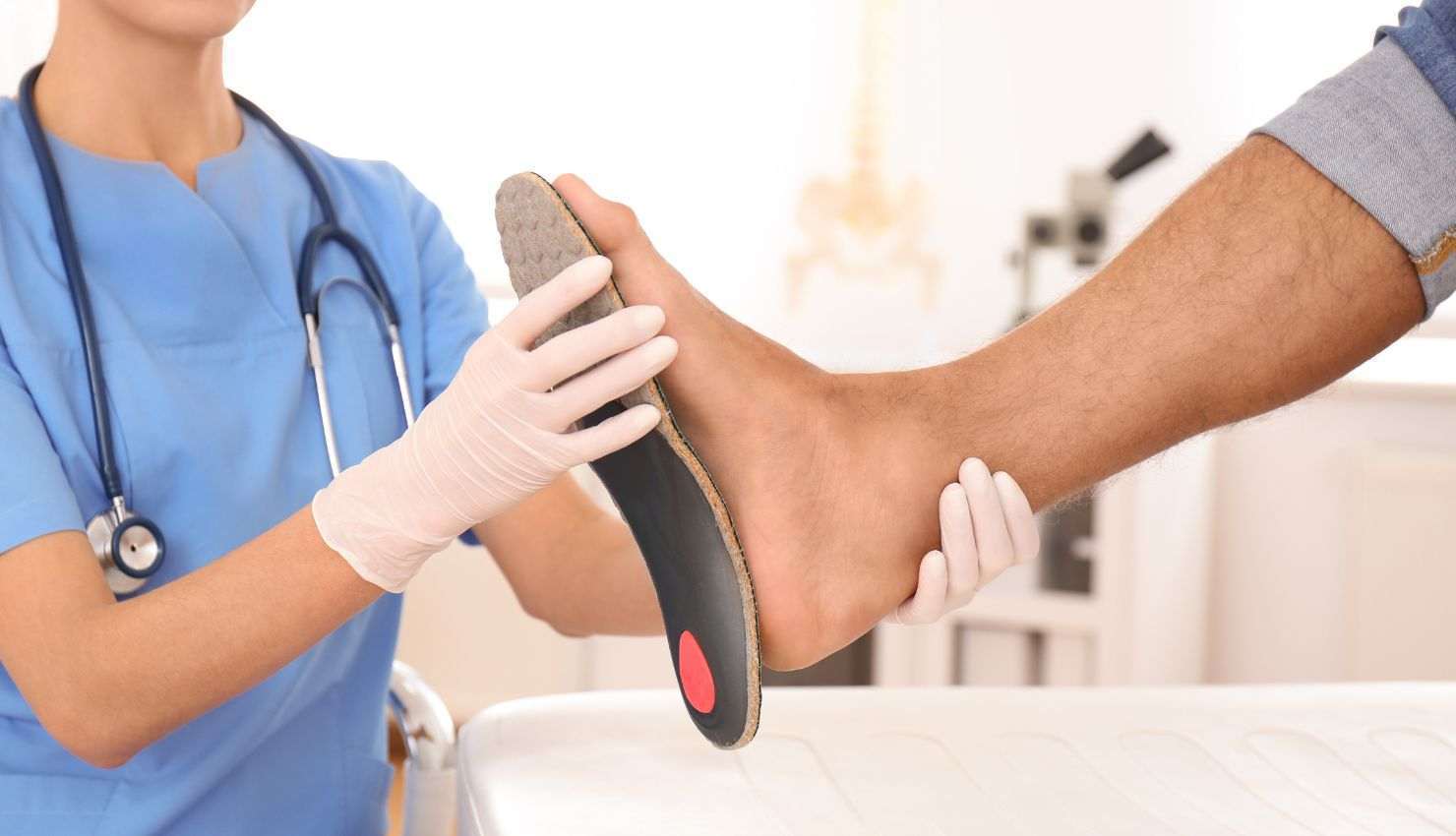
hysiotherapy offers a proactive and personalized approach to help aging adults maintain and enhance joint function, reduce stiffness, and preserve flexibility. With expert guidance, older adults can regain control over their mobility, reduce pain, and stay independent longer.
In this blog, well explore how physiotherapy supports healthy aging by improving joint mechanics, restoring range of motion, and keeping the body moving with ease and confidence.
Understanding the Impact of Aging on Joints
As the body ages, several physiological changes affect joints:
Cartilage wears down, reducing cushioning between bones
Synovial fluid production decreases, making joints feel stiff
Muscles supporting joints weaken, leading to instability
Tendons lose elasticity, reducing flexibility
Bones become less dense, increasing fragility
These changes can lead to common age-related issues like arthritis, joint pain, balance problems, and mobility restrictions. However, they dont have to define your later years. With early intervention and the right support, many of these effects can be minimizedor even reversed.
Why Joint Function and Flexibility Matter
Healthy joints are essential for basic daily tasksgetting out of a chair, climbing stairs, dressing, or walking outside. When joint function deteriorates, these tasks become difficult, increasing dependence on others and lowering quality of life.
Maintaining flexibility and joint mobility helps aging adults:
Stay active and engaged
Reduce risk of falls and injuries
Minimize stiffness and inflammation
Prevent compensatory pain in other areas (e.g., back, neck)
Maintain muscle mass and coordination
The Role of Physiotherapy in Supporting Joint Health
Physiotherapists are trained to assess the root causes of mobility limitations and customize treatment plans based on each individuals goals and condition. For aging adults, this may include managing chronic joint pain, recovering from surgery, or simply maintaining independence.
Heres how physiotherapy enhances joint function and flexibility:
1. Improves Range of Motion
Using manual therapy, targeted mobility drills, and guided stretching, physiotherapists help increase the range of motion in stiff or restricted joints. This is especially important for areas like the hips, shoulders, knees, and spine.
2. Reduces Joint Stiffness and Pain
Through joint mobilizations, soft tissue therapy, and movement-based interventions, physiotherapy reduces stiffness and improves circulation around the joints, which helps ease discomfort and supports healing.
3. Enhances Muscle Support Around Joints
Weak or imbalanced muscles can cause improper joint loading and increase strain. Physiotherapy strengthens the stabilizing muscles around key joints to improve support, reduce pressure, and enhance control.
4. Promotes Safe Flexibility
Many older adults stretch ineffectivelyor avoid it due to fear of injury. Physiotherapists provide safe, specific techniques that improve muscle length and elasticity without putting joints at risk.
5. Retrains Functional Movement
From walking to lifting to reaching, physiotherapy helps re-educate the body to move efficiently and safely. This protects joints and prevents compensation habits that can worsen stiffness or pain.
Common Conditions Physiotherapy Helps With
Aging adults often face joint-related conditions such as:
Osteoarthritis Physiotherapy improves joint lubrication, reduces inflammation, and promotes stability.
Rheumatoid arthritis Gentle mobility work helps reduce morning stiffness and maintains function.
Frozen shoulder Gradual movement restoration reduces pain and restores arm use.
Knee or hip replacements Post-operative physiotherapy enhances mobility and builds strength.
Spinal degeneration Physiotherapists improve alignment and reduce pressure on nerves and joints.
Each of these conditions benefits from a personalized physiotherapy plan that targets both joint mobility and surrounding support systems.
Real-Life Benefits of Improved Joint Function and Flexibility
Older adults who engage in regular physiotherapy for joint health report:
Less daily pain and stiffness
Easier movement during daily tasks
Improved sleep due to reduced discomfort
Better balance and coordination
Increased confidence in physical activity
Reduced reliance on pain medications
Even simple actions like walking, bending, or carrying groceries feel more manageable with improved joint mechanics.
At-Home Tips to Support Joint Flexibility
While physiotherapy sessions are key, consistent at-home habits are also vital. Encourage aging adults to:
1. Keep Moving
Avoid sitting for long periods. Gentle walking, gardening, or light household chores keep joints lubricated and muscles active.
2. Stretch Daily
Focus on major jointsshoulders, hips, knees, and spine. Hold each stretch for 2030 seconds and breathe deeply to reduce muscle tension.
3. Use Heat Before Movement
Applying a warm pack before stretching or exercising can loosen stiff joints and make movement easier.
4. Strength Train Safely
Bodyweight exercises, resistance bands, or light weights can maintain muscle support around joints, especially in the hips and shoulders.
5. Maintain Hydration
Joints rely on fluid for lubrication. Drinking enough water supports joint health and overall tissue resilience.
Addressing Fear of Movement
Many aging adults fear movement due to concerns about pain, falling, or injury. Physiotherapists are skilled at building confidence by:
Teaching safe movement strategies
Supervising exercises with proper form
Introducing gradual progressions
Addressing pain in real time
Educating on whats safe versus harmful
By removing fear, physiotherapy empowers older adults to move with purpose and comfort again.
The Long-Term Impact
Physiotherapy doesnt just relieve symptomsit builds long-term resilience. With regular sessions and home support, older adults can:
Delay or prevent surgery
Avoid dependence on assistive devices
Continue enjoying hobbies and travel
Maintain independence in daily life
Ultimately, physiotherapy is an investment in mobility, function, and dignity.
Final Thoughts: Aging Well Starts with Movement
Joint function and flexibility are not luxuriestheyre necessities for a full and independent life. As we age, the ability to move freely becomes even more valuable, allowing us to participate in family events, stay active in the community, and enjoy everyday pleasures without pain or fear.
Physiotherapy gives aging adults the tools and support needed to stay mobile, strong, and confident. By addressing the root causes of stiffness, weakness, and joint dysfunction, physiotherapy promotes not just longer lifebut a better quality of life.
Because aging with strength, comfort, and grace begins at the joints.