How Physiotherapy Enhances Mobility and Joint Health explores targeted strategies for recovery. Discover new paths to mobility, healing, and personalized care.

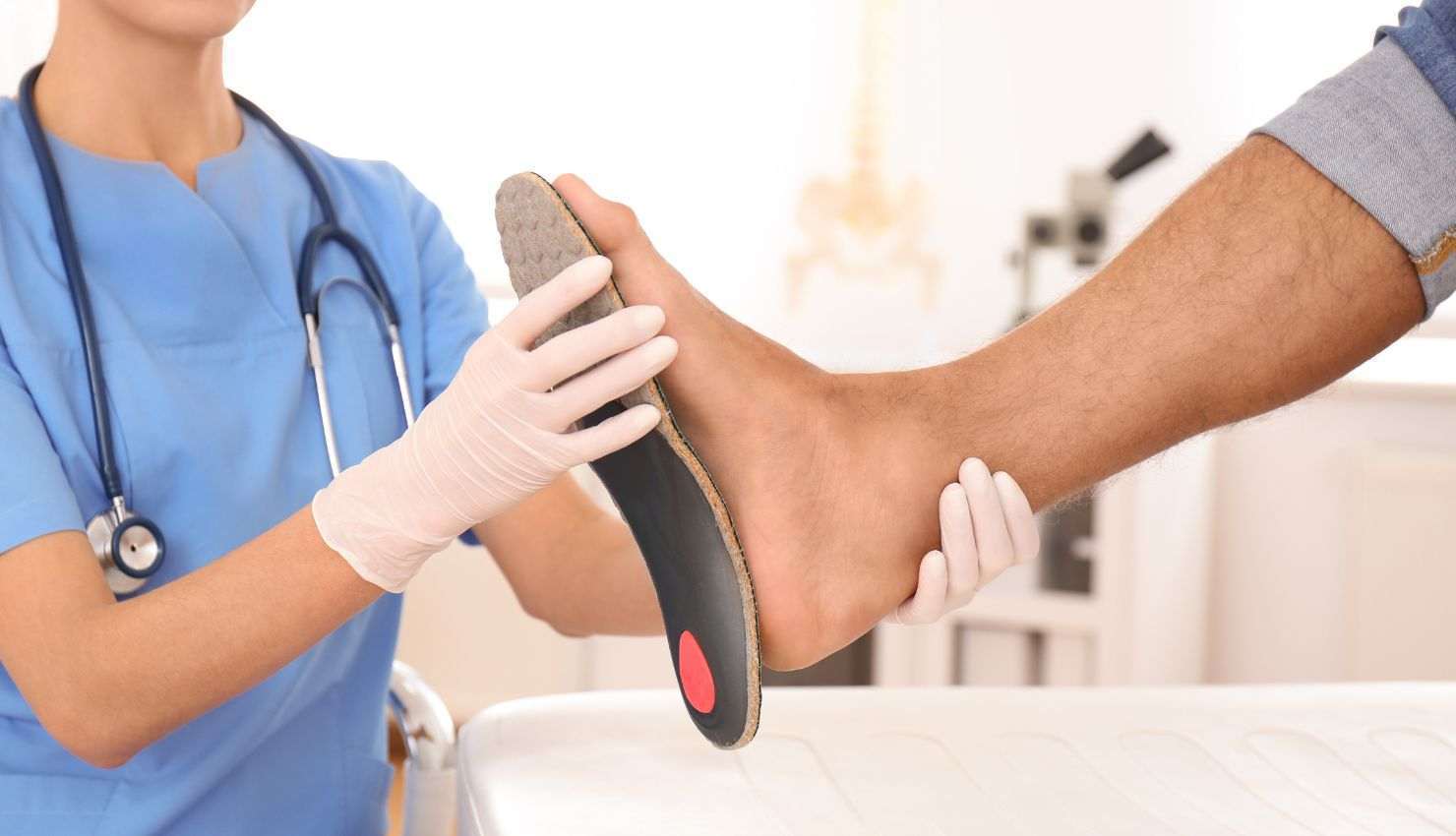
Mobility and joint health are the cornerstones of physical independence, comfort, and function. Whether you’re reaching overhead, walking up stairs, or bending down to tie your shoes, your joints and muscles must work together smoothly. But when pain, stiffness, or injury set in, even simple movements can become difficult. Thats where physiotherapy plays a transformative roleby restoring movement, reducing discomfort, and preventing further decline. Physiotherapy enhances mobility and joint health, empowering you to move with ease and live a fuller, more active life.
With tailored assessments and evidence-based interventions, physiotherapy addresses the root causes of restricted mobility or joint dysfunction. It is not just a reaction to injuryit’s a proactive tool for maintaining lifelong movement quality and overall wellness.
Understanding Mobility and Joint Health
Mobility is the ability of a joint to move through its full range of motion with control and stability.
Joint health refers to the structural and functional condition of joints, including bones, cartilage, ligaments, and the surrounding soft tissues.
Both are essential to movement. If a joint is healthy but lacks mobility, your motion will feel restricted. If mobility is fine but the joint is inflamed or unstable, you’ll experience pain or weakness. Physiotherapy works to address both elements, restoring function, comfort, and coordination.
Common Causes of Reduced Mobility and Joint Issues
Injury or Surgery Trauma to joints or muscles can result in stiffness, swelling, and reduced flexibility.
Inflammation or Arthritis Conditions like osteoarthritis or rheumatoid arthritis affect joint cartilage and fluid, causing pain and motion loss.
Sedentary Lifestyle Lack of movement can lead to joint stiffness, muscle shortening, and poor circulation.
Aging Natural wear and tear on joints decreases range and function.
Muscle Imbalances Weak or tight muscles can pull joints out of alignment, limiting movement.
Postural Strain Repetitive stress from poor posture puts unnecessary load on joints, causing pain and dysfunction.
How Physiotherapy Improves Mobility
1. Comprehensive Assessment
Physiotherapists begin by evaluating your posture, gait, range of motion, joint alignment, muscle strength, and movement patterns. This thorough assessment identifies where mobility is limited and why.
2. Hands-On Manual Therapy
Manual techniques such as joint mobilizations, passive stretching, and soft tissue massage are used to release restrictions and improve circulation. This restores ease of movement and reduces discomfort in tight or inflamed areas.
3. Customized Mobility Exercises
Targeted stretches and dynamic movement routines are prescribed to increase flexibility and improve range of motion. These may include:
Hip openers for walking and squatting
Shoulder mobility for overhead reach
Ankle and knee mobility for balance and gait
Spinal mobility for posture and core function
These exercises are adapted to your age, fitness level, and lifestyle.
4. Strengthening the Right Muscles
Mobility requires controlstrong, stable muscles around a joint are essential. Physiotherapists guide you through strength training programs that improve joint integrity while allowing for better motion.
For example:
Strengthening glutes and core for hip and lower back mobility
Stabilizing shoulder muscles to protect the rotator cuff
Activating deep abdominal muscles to improve spinal alignment
How Physiotherapy Supports Joint Health
1. Corrects Joint Misalignment
Through both manual correction and guided movement retraining, physiotherapy helps realign joints for better movement efficiency and less wear-and-tear.
2. Reduces Inflammation and Swelling
Techniques such as ice therapy, ultrasound, kinesiology taping, or dry needling are used to manage pain and inflammation, allowing joints to heal and function better.
3. Enhances Synovial Fluid Movement
Regular movement guided by physiotherapy helps circulate synovial fluidthe lubricant in your jointskeeping them nourished and reducing friction.
4. Prevents Degeneration
By improving posture, correcting muscle imbalances, and teaching healthy movement habits, physiotherapy helps reduce the long-term impact of chronic joint conditions like arthritis.
5. Improves Proprioception
Proprioceptionyour awareness of joint position and movementcan be impaired after injury. Physiotherapy restores this awareness to prevent re-injury and improve balance and coordination.
Who Benefits from Physiotherapy for Mobility and Joint Health?
Seniors looking to maintain independence and avoid falls
Athletes recovering from injury or improving performance
Post-surgery patients rebuilding strength and range of motion
Office workers managing posture-related stiffness
People with arthritis or chronic joint conditions
Anyone experiencing daily discomfort, limited movement, or stiffness
If youre moving less than youd like, experiencing joint aches, or compensating with awkward movements, physiotherapy can help you get back on track.
Daily Habits to Complement Your Physiotherapy Plan
Move Often Take breaks from sitting, walk daily, and use stairs when possible.
Stretch Regularly Include dynamic stretches in the morning and static stretches after activity.
Watch Your Posture Be mindful of slouching or leaning when sitting or standing.
Use Proper Ergonomics Adjust your workspace to reduce strain on joints.
Stay Hydrated Joint tissues need water for optimal function.
Fuel Your Body A nutrient-rich diet supports tissue repair and reduces inflammation.
Rest and Recover Give your joints time to heal after intense activity.
Long-Term Benefits of Physiotherapy for Joint and Mobility Health
Improved flexibility and range of motion
Pain reduction and inflammation control
Greater strength and movement control
Better coordination and posture
Reduced risk of injury or re-injury
Increased confidence and independence
Enhanced quality of life through movement freedom
Final Thoughts: Empowering Movement for Life
Mobility is not just about exerciseits about the way you live. Whether you want to move with ease at home, stay active at work, or pursue recreational activities without pain, physiotherapy offers a personalized path to healthier joints and greater freedom of movement.
By addressing both the root causes and symptoms of joint dysfunction, physiotherapy empowers you to move better, feel stronger, and live more fully. Dont wait until pain limits your lifestyleinvest in your mobility and joint health today, and take confident steps toward a future of strength and independence.