How Physiotherapy Enhances Mobility and Strength After Surgery explores targeted strategies for recovery. Discover new paths to mobility, healing, and personalized care.

Recovering from surgery can be a challenging journey, often filled with discomfort, limitations in movement, and uncertainty about regaining your full strength. This is where physiotherapy steps in as a vital component of post-surgical care. Physiotherapy not only speeds up recovery but also plays a crucial role in enhancing mobility and rebuilding strength, helping you get back to your daily activities and lifestyle with confidence.
Understanding the Impact of Surgery on Your Body
Surgical procedures, whether minor or major, disrupt the normal function of muscles, joints, and tissues. After surgery, its common to experience pain, swelling, stiffness, and reduced mobility. These physical changes can lead to muscle weakness and joint stiffness if left unmanaged. Without proper rehabilitation, theres also a risk of developing long-term complications such as chronic pain, limited movement, or poor posture.
Physiotherapy is designed to address these issues head-on by promoting healing, preventing muscle atrophy, and restoring normal function as efficiently as possible.
How Physiotherapy Helps Restore Mobility
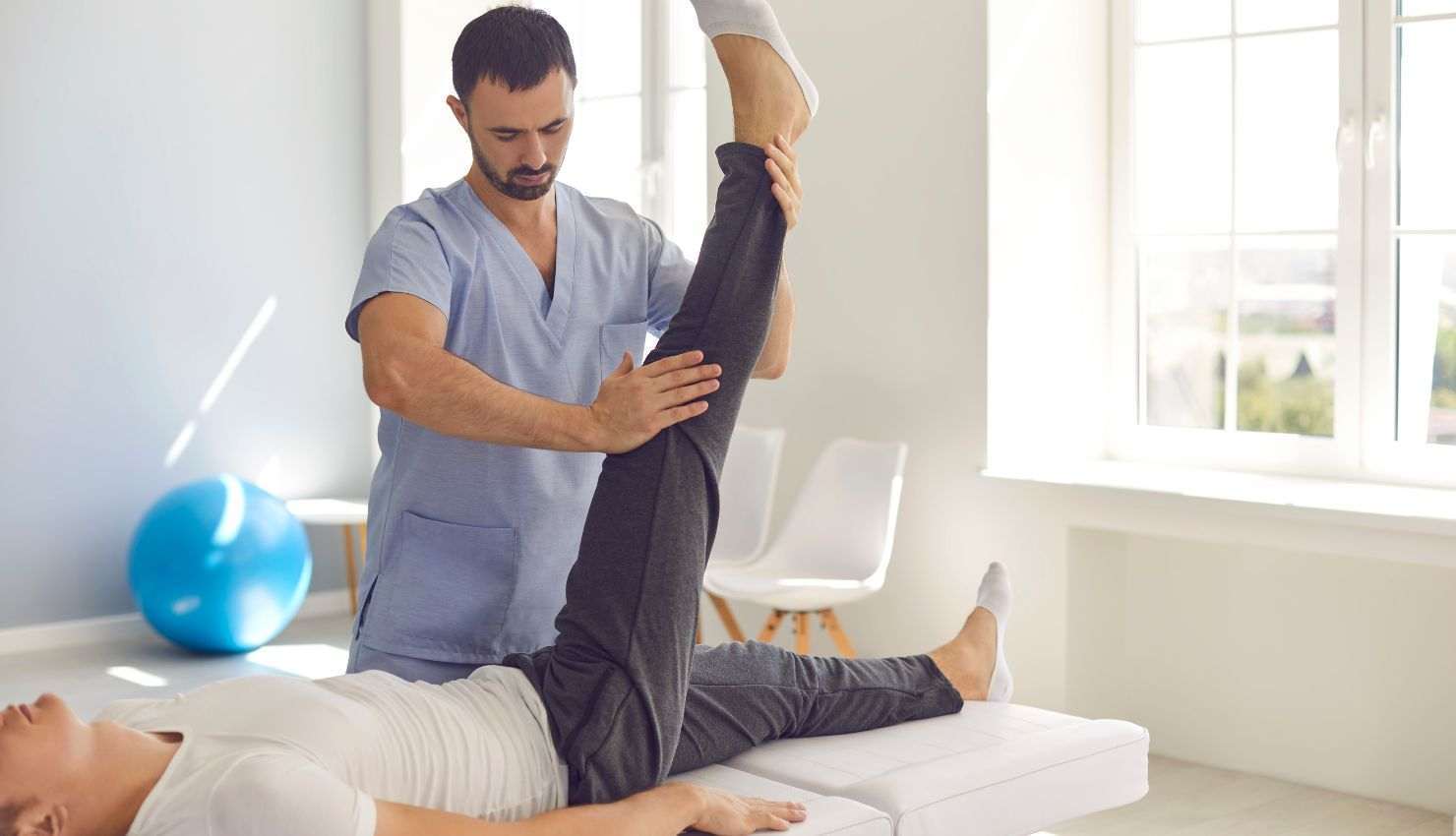
One of the primary goals of physiotherapy after surgery is to restore your range of motion. Surgical interventions often result in joint stiffness due to immobilization or protective behavior to avoid pain. A skilled physiotherapist guides you through gentle, progressive exercises tailored to your specific surgery and condition.
These exercises help:
Stretch and loosen tight tissues around the surgical site.
Reduce stiffness in joints.
Improve circulation, which accelerates healing.
Re-educate muscles to move correctly and efficiently.
By gradually increasing movement, physiotherapy ensures that your body doesnt get stuck in a limited range of motion, which can negatively impact your function and quality of life.
Building Strength Safely and Effectively
Strength is critical after surgery because your muscles tend to weaken during the recovery phase. Whether you had orthopedic surgery, abdominal surgery, or even soft tissue repair, muscle strength is often compromised. Physiotherapy incorporates strength training exercises that are carefully designed to rebuild muscle without overloading the healing tissues.
A physiotherapist will tailor your program based on:
Your surgery type.
Your current strength and mobility levels.
Any pain or discomfort you experience.
Your personal recovery goals.
Strengthening exercises in physiotherapy focus on improving muscle endurance, power, and coordination. This helps you regain your independence and prevents future injuries by supporting your joints and improving overall body mechanics.
Pain Management Through Physiotherapy
Pain and discomfort are common after surgery, and they can interfere with your motivation to move or exercise. Physiotherapists use various pain management techniques to help you stay active during your recovery. These may include manual therapy, soft tissue massage, ultrasound therapy, and gentle mobilization techniques.
Effective pain management not only improves your comfort but also encourages better participation in your rehabilitation exercises, which directly impacts the success of your recovery.
Personalized Care for Optimal Results
Every surgery and individual recovery process is unique. Thats why physiotherapy programs are highly personalized. Your physiotherapist will assess your surgical site, overall health, lifestyle, and functional needs before creating a rehabilitation plan. This ensures that the exercises and therapies you receive are safe, effective, and aligned with your goals.
Moreover, physiotherapy often involves educating you about your body and recovery process. This empowers you to take an active role in your rehabilitation, improving adherence to exercises and promoting long-term health benefits.
Long-Term Benefits of Physiotherapy After Surgery
Engaging in physiotherapy after surgery does more than just speed up initial healing. It provides lasting benefits, such as:
Preventing muscle atrophy and joint stiffness.
Reducing the risk of complications like scar tissue buildup or contractures.
Improving posture and movement patterns.
Enhancing balance and coordination.
Boosting overall physical function and confidence in movement.
These long-term benefits contribute to better quality of life and help you return to work, sports, or everyday activities with reduced fear of re-injury.
The Role of Technology in Post-Surgical Physiotherapy
In todays healthcare environment, physiotherapy often incorporates advanced technology to optimize recovery. Modalities like electrical stimulation, laser therapy, and virtual exercise programs can complement traditional hands-on treatments. These tools are designed to reduce inflammation, accelerate tissue repair, and provide guided rehabilitation, making your recovery process more efficient and engaging.
Why Choose Professional Physiotherapy Services in Canada?
For residents in Canada, accessing professional physiotherapy services is essential for safe and effective post-surgical recovery. Licensed physiotherapists follow evidence-based protocols and are trained to handle the unique challenges each surgery presents.
At Your Forms UX (YFS), the focus is on personalized care, combining clinical expertise with modern rehabilitation techniques. This ensures patients receive comprehensive support tailored to their recovery journey.
In summary, physiotherapy plays a pivotal role in enhancing mobility and strength after surgery. It addresses the physical limitations caused by surgery, helps manage pain, and restores functional movement. With personalized care and targeted exercises, physiotherapy not only accelerates your recovery but also empowers you to regain independence and return to your daily life with confidence.
If you or someone you know is preparing for surgery or currently recovering, consider integrating physiotherapy into your rehabilitation plan. The benefits extend far beyond the surgical siteoffering a pathway to a stronger, more mobile, and healthier you.