How Physiotherapy Enhances Performance in Musical Theatre explores targeted strategies for recovery. Discover new paths to mobility, healing, and personalized care.

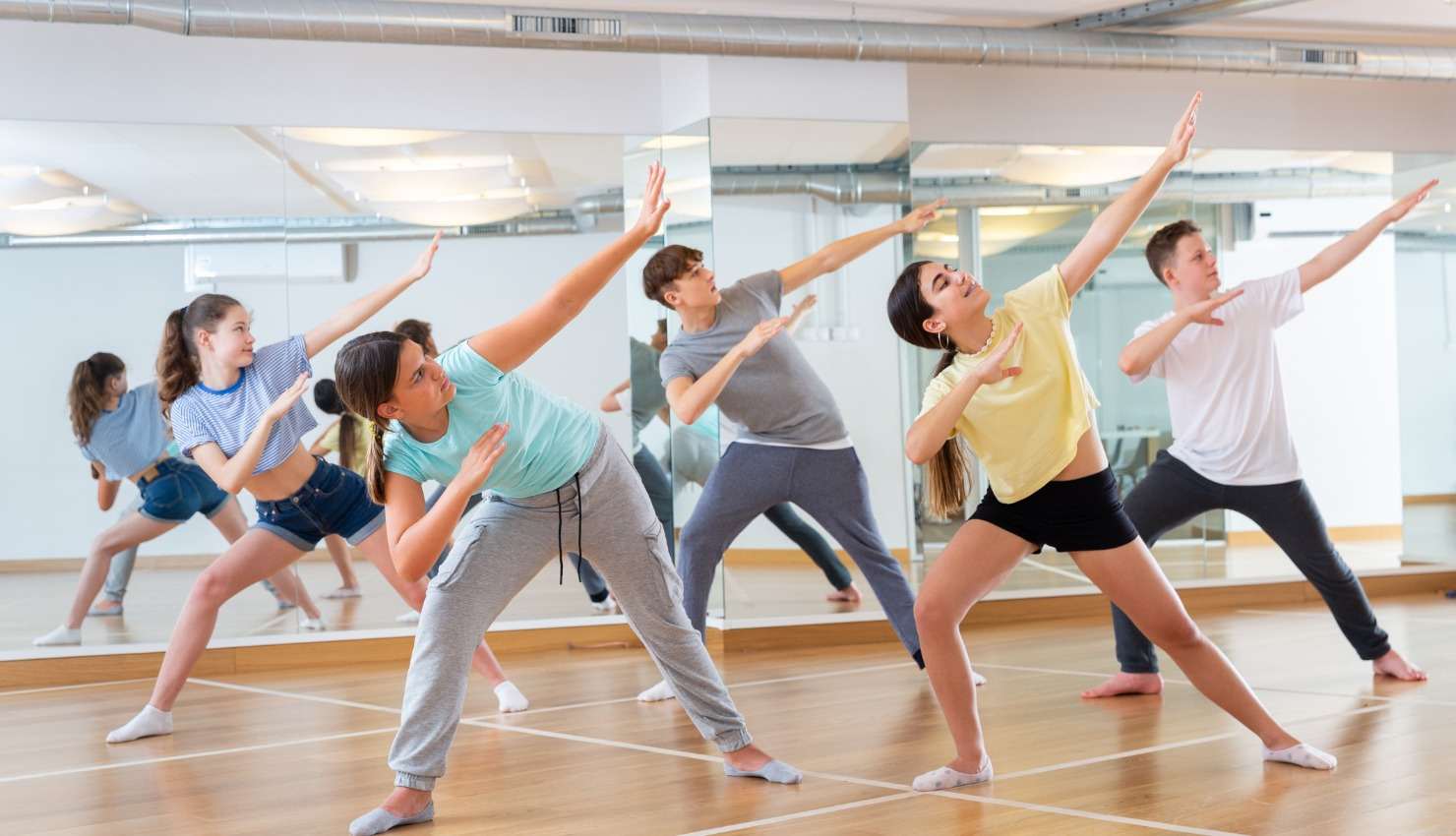
Unlike traditional dance or acting alone, musical theatre demands:
Continuous, high-energy movement
Vocal projection during physical exertion
Long rehearsals followed by consecutive show runs
Repetitive choreography in varied environments
Props, costume weights, and rapid transitions
This mix of athleticism and artistry often leads to:
Vocal fatigue
Joint and muscle overuse
Postural imbalances
Coordination breakdown under fatigue
?? To meet these demands consistently, performers need a tailored approach to physical care and thats where physiotherapy shines.
?? Key Ways Physiotherapy Boosts Musical Theatre Performance
? 1. Reduces Injury Risk During Rehearsals and Performances
Physiotherapists help prevent common injuries like:
Knee pain from repetitive dancing
Vocal strain due to poor posture or neck tension
Ankle sprains from stage terrain changes
Lower back tightness from lifts, jumps, or long-standing scenes
Through assessment and customized plans, dancers and singers can perform more often, with less pain and greater consistency.
? 2. Improves Posture and Breath Control
Good posture is critical for:
Optimal vocal projection
Efficient breathing
Core engagement during movement
Physiotherapists use alignment correction, thoracic mobility work, and core stability training to:
Open the chest
Strengthen the diaphragm and abdominals
Reduce tension in the neck and shoulders
?? The result: a voice thats stronger, clearer, and better supported.
? 3. Enhances Movement Quality and Fluidity
Choreography in musicals is often stylized, fast, and repetitive. Physiotherapists:
Improve range of motion (especially hips, shoulders, and spine)
Correct asymmetries that affect turns or lifts
Help with movement transitions, like getting up from the floor or shifting direction suddenly
?? This reduces the risk of missteps and helps performers move with more grace and control even under pressure.
? 4. Speeds Recovery Between Shows
With back-to-back performances, recovery is essential. Physios provide:
Soft tissue therapy to reduce fatigue
Lymphatic drainage techniques
Recovery-focused mobility sessions
Education on sleep, hydration, and active rest strategies
?? Performers who recover well perform better and for longer.
? 5. Supports Vocal Health Through Musculoskeletal Care
Many performers dont realize that:
Jaw tension
Neck stiffness
Upper back tightness
can all impact vocal performance.
Physiotherapy addresses this with:
Trigger point release in neck and jaw muscles
Postural corrections that relieve laryngeal pressure
Breathing pattern retraining for sustainable vocal use
??? A healthy body means a healthy voice especially over an extended run.
?? Real-Life Performance Benefits
Area How Physio Helps
Quick choreography Improves mobility and stability for fast, safe movement
Vocal performance Enhances breath support and reduces vocal fatigue
Lift sequences Builds joint strength and safe lifting mechanics
Stage fatigue Increases endurance and reduces muscular overload
Emotional expression Improves body freedom and relaxation under stress
?? Mind-Body Connection: A Performers Secret Weapon
Physiotherapists also play a key role in reducing performance anxiety, by:
Teaching breath-focused exercises
Guiding body scans and release techniques
Creating warm-up and cool-down routines that ground performers physically and mentally
This empowers performers to feel centered, confident, and physically prepared.