Toronto has become one of Canada’s strongest hubs for movement-based wellness. From boutique Pilates studios to serene yoga spaces, the city’s residents are embracing mindful exercise more than ever. As this wellness culture grows, so does the need for supportive therapies that keep people moving safely, effectively, and pain-free. Among these supportive practices, physiotherapy has …

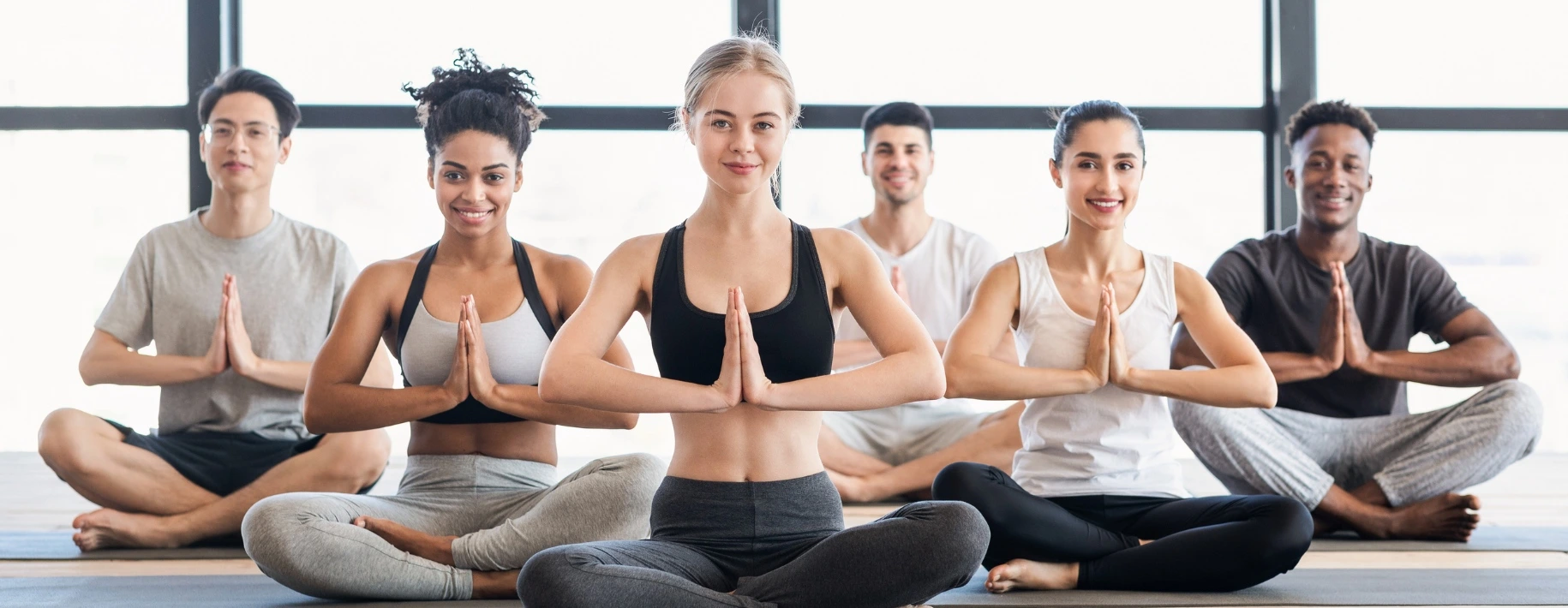
Toronto has become one of Canada’s strongest hubs for movement-based wellness. From boutique Pilates studios to serene yoga spaces, the city’s residents are embracing mindful exercise more than ever. As this wellness culture grows, so does the need for supportive therapies that keep people moving safely, effectively, and pain-free.
Among these supportive practices, physiotherapy has become a vital pillar, helping yoga and Pilates enthusiasts enhance their performance, prevent injuries, and build long-term resilience. Whether you’re a beginner working on flexibility or an advanced practitioner perfecting complex poses, physiotherapy plays a transformative role in your journey.
In this blog, we’ll explore how physiotherapy for yoga and Pilates in Toronto complements the city’s growing wellness lifestyle and why more Torontonians are integrating professional care into their routine.
Toronto’s Evolving Wellness Culture
Toronto’s wellness community is diverse, vibrant, and constantly evolving. Neighborhoods like Queen West, Leslieville, The Beaches, and Midtown are home to a growing number of studios offering hot yoga, reformer Pilates, yin sessions, and athletic-based flow classes.
People are choosing these practices not just for fitness, but for:
- Stress relief
- Core strength
- Flexibility
- Better posture
- Mental clarity
However, as participation rises, so do challenges such as stiffness, muscle imbalance, repetitive strain, and pose-related injuries. That’s where physiotherapy steps in as the perfect complement.
Why Yoga & Pilates Practitioners Benefit from Physiotherapy
1. Correcting Muscle Imbalances
Yoga and Pilates both demand a balanced relationship between strength and flexibility. Many Toronto practitioners unknowingly enter classes with pre-existing imbalances—tight hips from long work hours, rounded shoulders from desk jobs, or weak core muscles.
A physiotherapist identifies these imbalances through a detailed assessment and creates a personalized treatment plan that supports safer, more aligned movement.
2. Improving Posture and Alignment
Proper alignment is everything in yoga and Pilates. A single misalignment in posture can lead to:
- Lower back pain
- Shoulder strain
- Knee discomfort
- Neck tension
Physiotherapists help improve postural habits using:
- Manual therapy
- Mobility exercises
- Strengthening routines
- Movement pattern retraining
This ensures that when you return to your mat or reformer, you feel more stable, confident, and controlled.
3. Preventing Common Injuries
With more people joining classes daily, Toronto studios are seeing a rise in:
- Hamstring strains
- Wrist pain
- Lower back issues
- Hip flexor tightness
- Overstretching injuries
Physiotherapy focuses on preventing these issues before they interfere with your practice. Your therapist can guide you on safe modifications and movements suited to your current limits—protecting your body as you progress.
4. Enhancing Flexibility Without Overstretching
Flexibility is a major goal in both yoga and Pilates. However, many practitioners confuse flexibility with overstretching, which leads to ligament laxity and long-term instability.
Physiotherapy teaches you to:
- Stretch safely
- Strengthen stabilizing muscles
- Improve joint range of motion
- Release tension without damaging tissues
This creates a balanced, functional flexibility that supports performance instead of harming it.
5. Supporting Better Core Stability
Pilates is known for core strengthening, but not everyone activates their core correctly. Poor technique can put stress on the spine, hips, and pelvis.
Physiotherapists help you learn proper activation of:
- Deep abdominal muscles
- Pelvic floor
- Lower back stabilizers
- Glutes
This builds a stronger foundation for advanced yoga poses and Pilates routines.
How Physiotherapy Enhances Performance for Yoga Practitioners
✓ More powerful poses
Improved joint mobility and strength allow deeper, more controlled poses.
✓ Safer inversions and balances
Physiotherapists teach stability techniques essential for handstands, headstands, and arm balances.
✓ Better breath-movement connection
Manual therapy and mobility work open the ribcage and improve diaphragm function, enhancing your breathwork practice.
How Physiotherapy Supports Pilates Enthusiasts
✓ Improved core activation
Physiotherapists retrain your deep stabilizers, making Pilates movements more effective and safer.
✓ Enhanced spinal articulation
Pilates involves precise spinal movement; physiotherapy improves segmental mobility to help you move fluidly.
✓ Strengthening weak areas
Therapists address weaknesses that limit your performance, helping you progress to more advanced levels.
The Role of Physiotherapy in Toronto’s Holistic Wellness Movement
Toronto’s wellness culture is increasingly holistic—people value physical, mental, and emotional well-being equally. Integrating physiotherapy into yoga and Pilates routines aligns perfectly with this holistic mindset.
Physiotherapy provides:
- Personalized care tailored to your lifestyle
- Injury prevention strategies for long-term practice
- Mind-body awareness through guided movement
- Support during recovery if you’ve experienced strain or injury
- Education that empowers you to move smarter, not harder
By combining professional physiotherapy with mindful practices like yoga and Pilates, Torontonians experience more balanced, effortless movement.
Why Toronto Residents Choose Professional Physiotherapy
With long work hours, increased stress, and busy lifestyles, most people experience some level of stiffness or discomfort. Toronto’s physiotherapists understand these modern-day challenges and offer treatments that fit your daily demands.
Practitioners help you:
- Move without pain
- Build functional strength
- Improve flexibility
- Prevent chronic issues
- Enhance overall performance
Whether you enjoy hot yoga at 6 a.m. or a reformer Pilates class after work, physiotherapy ensures you show up feeling your best.
Conclusion: A Stronger, Safer, More Aligned You
Yoga and Pilates are powerful tools for overall wellness, and physiotherapy acts as the supportive backbone that keeps your body strong, aligned, and injury-free. As Toronto’s wellness culture continues to flourish, more practitioners are realizing the importance of partnering with skilled physiotherapists.
By integrating physiotherapy for yoga and Pilates in Toronto into your routine, you unlock:
- Better performance
- Improved posture
- Safer movement
- Faster recovery
- A deeper connection with your body
Whether you’re a beginner or an advanced practitioner, physiotherapy elevates your practice and helps you move with confidence—both inside and outside the studio.