How Physiotherapy Helps Dancers Achieve Optimal Performance explores targeted strategies for recovery. Discover new paths to mobility, healing, and personalized care.

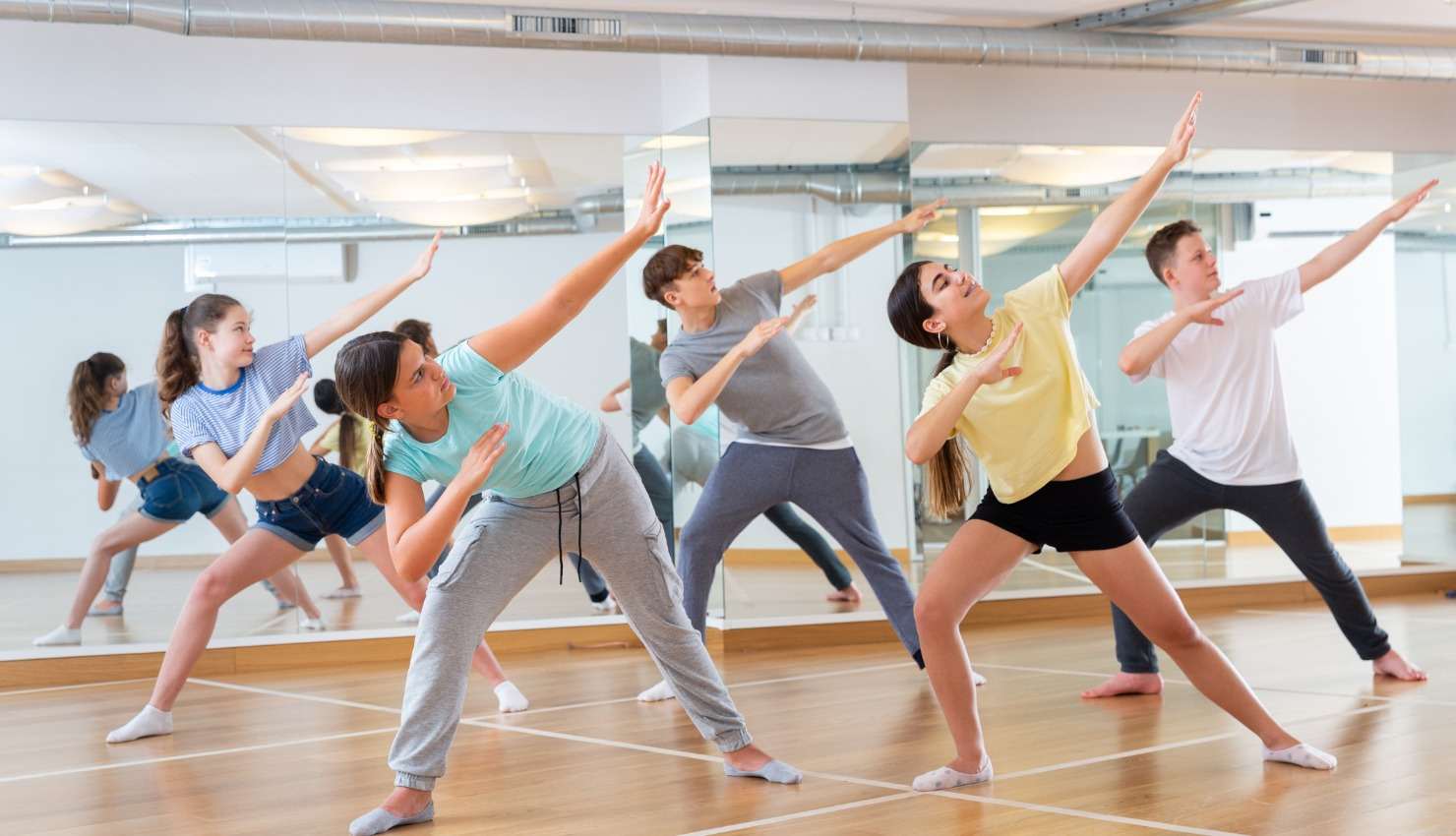
Dancing is a physically demanding art form that requires a combination of strength, flexibility, balance, coordination, and endurance. Whether youre a professional ballet dancer or a hip-hop enthusiast, the demands placed on your body during practice, rehearsals, and performances are intense. Over time, this can lead to muscle imbalances, fatigue, injuries, or limitations in movement. Physiotherapy plays a pivotal role in helping dancers achieve optimal performance, allowing them to perform at their best while reducing the risk of injury.
In this blog, well explore how physiotherapy contributes to the performance of dancers by addressing physical issues, enhancing technique, preventing injuries, and promoting long-term health.
1. Injury Prevention and Rehabilitation
One of the most significant ways physiotherapy helps dancers achieve optimal performance is through injury prevention. Dancers constantly push their bodies to perform complex, high-impact movements that can lead to both acute and overuse injuries. Physiotherapists work to minimize the risk of injury by identifying weak points in a dancers body and correcting any imbalances or improper movement patterns.
How physiotherapy helps with injury prevention:
Postural and Alignment Correction: Physiotherapists assess a dancers posture and alignment to identify any misalignments that could lead to strain or discomfort. Misalignments in areas like the pelvis, shoulders, or knees can contribute to overuse injuries or poor technique. Physiotherapy helps restore proper posture and body mechanics to reduce the risk of injury.
Strengthening and Conditioning: Weak muscles are more prone to strain and injury. Physiotherapists design targeted strengthening programs that address specific muscle groups used in dance, such as the core, legs, and glutes. Strengthening these areas ensures that the dancers body is well-equipped to handle the demands of dance movements.
Flexibility and Mobility: Flexibility is essential for many dance moves, such as high kicks, deep pliés, and wide-arm movements. Physiotherapists work on improving the flexibility of key muscle groups and increasing joint mobility to ensure that dancers can perform movements with full range of motion and without injury.
Prehabilitation: Physiotherapists develop prehabilitation routines that help dancers prepare their muscles and joints before the physical demands of a performance or training session. These routines are designed to strengthen vulnerable areas and prevent injuries before they happen.
By focusing on these aspects, physiotherapy enables dancers to move freely and safely, preventing injuries that could hinder performance.
2. Improving Strength and Endurance
Dancing requires incredible muscular strength and stamina, particularly in the core, legs, and arms. Dancers need to be able to perform movements like jumps, turns, and lifts with control, power, and consistency. Physiotherapy helps improve both strength and endurance, ensuring that dancers can maintain peak performance throughout long rehearsals and performances.
How physiotherapy helps improve strength and endurance:
Targeted Strength Training: Physiotherapists design specific strength training programs to build power in the muscles most used in dance. For example, lower body exercises like squats, lunges, and calf raises strengthen the legs and glutes for jumps and landings, while core exercises such as planks, bridges, and leg lifts support balance and stability during turns and lifts.
Endurance Exercises: Dance often requires sustained effort, and physiotherapy can improve muscular endurance through high-repetition, low-weight exercises. These exercises train muscles to perform for extended periods without fatigue, which is critical for dancers performing long routines.
Cardiovascular Conditioning: While strength is important, cardiovascular fitness is also crucial for maintaining stamina throughout a dance performance. Physiotherapists incorporate cardiovascular exercises such as interval training, swimming, or cycling to improve the dancers aerobic capacity, ensuring they have the stamina to perform at their best.
Improving strength and endurance allows dancers to perform at their highest level for longer periods, without compromising technique or risking fatigue.
3. Enhancing Flexibility and Range of Motion
Flexibility is one of the most important components of dance. Whether its extending the legs into a high arabesque or stretching through a deep lunge, flexibility is necessary for fluid, graceful movements. Tight muscles or restricted joint mobility can limit a dancer’s range of motion and hinder their performance.
How physiotherapy helps improve flexibility and range of motion:
Stretching Programs: Physiotherapists create personalized stretching routines that target specific muscle groups and joints to increase flexibility. These stretches improve range of motion, allowing dancers to perform complex moves like deep pliés, grand jetés, or high kicks without strain.
Dynamic Stretching: Physiotherapists use dynamic stretching before practice to prepare muscles for movement. This type of stretching involves moving the muscles through their full range of motion in a controlled manner, warming up the body and preventing injury during intense dance movements.
Joint Mobilization: Physiotherapists also use joint mobilization techniques to enhance mobility in areas like the hips, ankles, knees, and shoulders. Joint mobilization increases the fluidity of movement and ensures that the joints are functioning optimally during dance routines.
Improved flexibility and range of motion allow dancers to perform fluid, controlled movements with grace, enhancing overall performance quality.
4. Posture and Alignment for Better Technique
Proper posture and alignment are essential for executing precise and controlled movements in dance. Misalignment in the body can lead to inefficient movement patterns, resulting in unnecessary strain on muscles and joints. This, in turn, can affect performance and lead to fatigue or injury.
How physiotherapy helps with posture and alignment:
Postural Assessment: Physiotherapists perform a thorough postural assessment to identify any misalignments or areas of weakness in the body. For example, a dancer with an anterior pelvic tilt or rounded shoulders may experience back pain or hip discomfort. Physiotherapists help correct these misalignments through corrective exercises and postural training.
Movement Re-education: Physiotherapists teach dancers how to perform movements more efficiently by improving alignment and technique. They ensure that the dancers body is aligned correctly during movements like jumps, turns, and pliés, reducing the risk of injury and improving performance.
Core Stability: A strong core supports proper posture and alignment during all dance movements. Physiotherapists work with dancers to strengthen their core muscles, which improves overall posture, balance, and control.
Proper posture and alignment allow dancers to perform movements with greater precision, improving the aesthetic quality of their performance and reducing unnecessary strain on the body.
5. Faster Recovery and Injury Management
Even with the best preventative care, dancers may experience muscle soreness, fatigue, or injuries that need time to heal. Physiotherapy accelerates recovery by providing effective injury management, reducing pain, and helping dancers regain full function.
How physiotherapy aids in recovery:
Active Recovery: Physiotherapists incorporate low-intensity exercises like walking, swimming, or stretching to encourage muscle recovery. Active recovery helps clear lactic acid from muscles, reduces stiffness, and speeds up the healing process.
Manual Therapy: Techniques like deep tissue massage, myofascial release, and joint mobilization help release tension in tight muscles and fascia, improve circulation, and promote healing.
Restorative Exercises: Physiotherapists guide dancers through restorative exercises that help maintain flexibility and mobility during the recovery process. These exercises help keep muscles limber and prevent stiffness, ensuring a quicker return to training.
By promoting faster recovery, physiotherapy ensures that dancers can return to practice sooner, ready to perform at their highest level without risking reinjury.
6. Mental Wellness and Confidence
Dance requires not only physical strength and skill but also mental fortitude. When recovering from an injury or struggling with performance anxiety, dancers can face significant psychological challenges. Physiotherapy supports mental wellness by providing confidence-building exercises and helping dancers regain trust in their bodies.
How physiotherapy supports mental wellness:
Gradual Progression: Physiotherapists help dancers return to activity gradually, allowing them to rebuild strength, flexibility, and confidence without rushing the recovery process.
Positive Mindset: Through guidance and support, physiotherapists help dancers maintain a positive mindset and stay motivated throughout their rehabilitation, which is essential for overcoming mental blocks and returning to full performance capability.
By promoting both physical and mental well-being, physiotherapy enables dancers to perform with greater confidence and focus, improving their overall performance.
Conclusion
Physiotherapy is a crucial component in helping dancers achieve optimal performance by improving strength, flexibility, endurance, posture, and recovery. Through injury prevention, rehabilitation, and performance enhancement, physiotherapists ensure that dancers can move efficiently, safely, and with controlultimately improving their overall technique and allowing them to perform at their highest level.
Whether you’re a professional dancer looking to enhance your technique or a recreational dancer aiming to stay injury-free, physiotherapy is an invaluable tool for maintaining long-term health and maximizing performance. By integrating physiotherapy into your dance routine, youre investing in your bodys ability to perform, recover, and thrive.