How Physiotherapy Helps Football Players Overcome Knee Injuries explores targeted strategies for recovery. Discover new paths to mobility, healing, and personalized care.

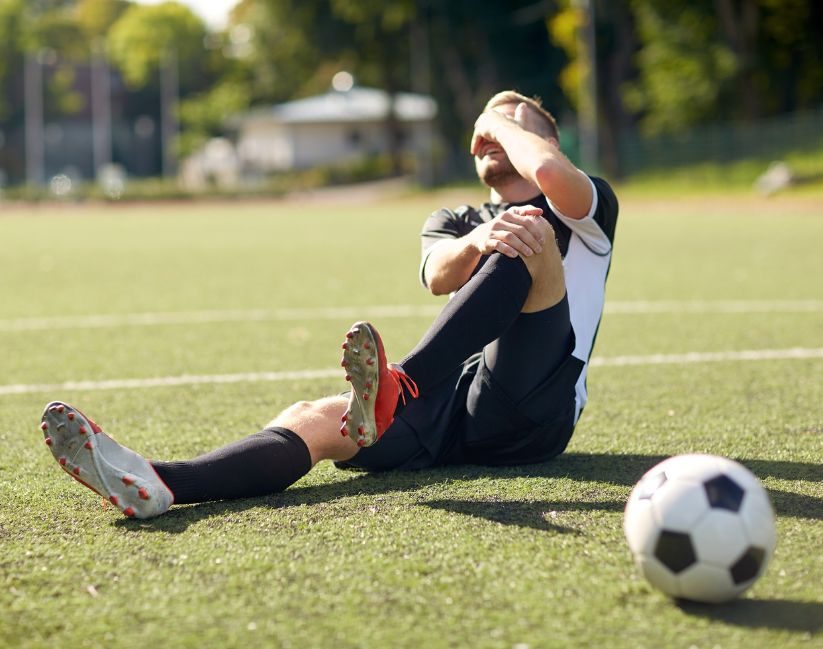
Football is a high-intensity, fast-paced sport that places enormous stress on the lower bodyespecially the knees. Knee injuries are among the most common and debilitating injuries football players face, ranging from ligament tears to meniscus damage and patellar tendinopathy. These injuries not only threaten players careers but can also significantly impact their quality of life if not managed properly.
Physiotherapy is an essential component in the prevention, treatment, and rehabilitation of knee injuries in football players. This blog explores how physiotherapy helps footballers recover from knee injuries, restore function, and get back on the field stronger and more resilient.
Why Are Knee Injuries Common in Football?
Football involves rapid acceleration and deceleration, sudden changes in direction, jumping, and contact with other players. This creates a high risk for:
Anterior Cruciate Ligament (ACL) Tears: Often occur during pivoting or direct collisions.
Meniscus Tears: Result from twisting motions with a bent knee.
Patellar Tendinitis: From repetitive jumping and running.
Collateral Ligament Sprains: Due to lateral or medial force impact.
Chondral Injuries: Damage to cartilage from impact or wear.
How Physiotherapy Supports Knee Injury Recovery
1. Acute Injury Management
Immediately after injury, physiotherapy focuses on reducing pain and swelling through techniques like cryotherapy, compression, elevation, and gentle mobilization to maintain some range of motion.
2. Restoring Range of Motion and Flexibility
After the acute phase, physiotherapists employ passive and active exercises to restore knee mobility, prevent stiffness, and maintain surrounding muscle length.
3. Strengthening the Muscles Around the Knee
Strong quadriceps, hamstrings, and hip muscles support the knee joint and help stabilize it during movements. Physiotherapy programs incorporate progressive resistance training to rebuild strength and endurance.
4. Proprioception and Balance Training
Injury can impair joint position sense, increasing re-injury risk. Balance and neuromuscular exercises retrain the brain and muscles to improve knee stability during dynamic movements.
5. Functional and Sport-Specific Training
As recovery progresses, physiotherapists tailor drills that mimic football-specific movementscutting, sprinting, tacklingto prepare players for safe return to play.
Preventive Physiotherapy for Knee Health
Physiotherapy is also key to preventing knee injuries by addressing risk factors like muscle imbalances, poor biomechanics, and fatigue. Regular conditioning, movement analysis, and corrective exercises reduce injury incidence.
Why YourFormsUX is Ideal for Football Knee Injury Rehab in Canada
YourFormsUX offers expert sports physiotherapy with deep understanding of football demands. Their individualized care plans focus on safe, effective recovery and injury prevention, helping athletes return stronger.
Final Thoughts: Physiotherapy is Your Best Play After a Knee Injury
Knee injuries dont have to end your football career. With expert physiotherapy, you can heal properly, regain function, and get back to playing at your best. Trust YourFormsUX to guide your recovery every step of the way.