For active women, pelvic health is not just a postpartum concernits an essential part of maintaining strength, performance, and overall well-being. Whether youre a runner, cyclist, yogi, or strength trainer, the pelvic floor plays a critical role in supporting your core, maintaining bladder control, and ensuring efficient movement.

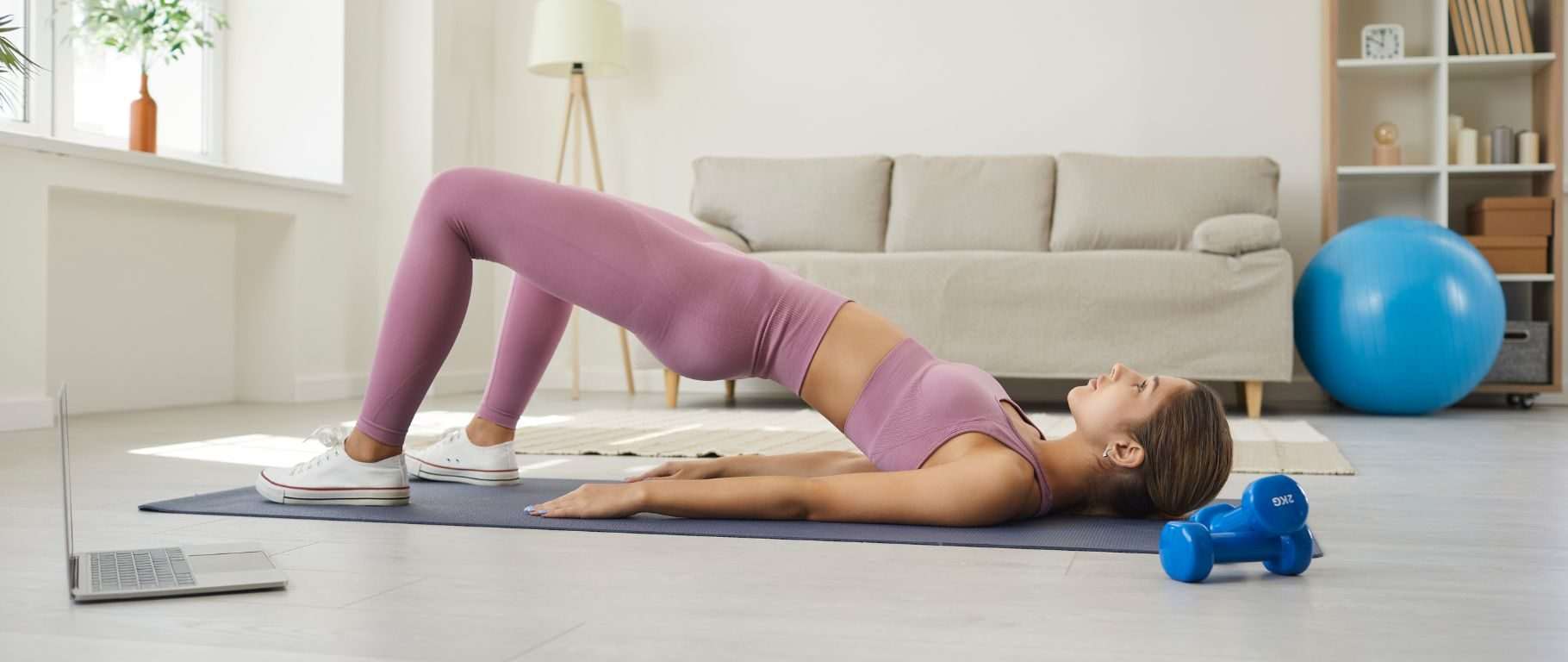
For active women, pelvic health is not just a postpartum concernits an essential part of maintaining strength, performance, and overall well-being. Whether youre a runner, cyclist, yogi, or strength trainer, the pelvic floor plays a critical role in supporting your core, maintaining bladder control, and ensuring efficient movement. Yet, many active women overlook this key muscle group until issues arise. Fortunately, physiotherapy for pelvic health offers tailored, evidence-based solutions that can prevent injury, enhance function, and improve quality of life.
Why Pelvic Health Matters for Active Women
The pelvic floor muscles form the base of the core and are responsible for supporting pelvic organs, stabilizing the spine and pelvis, and managing intra-abdominal pressure during activity. For women who regularly engage in physical activity, these muscles endure a significant workload. Repetitive strain, high-impact movements, and improper technique can lead to pelvic floor dysfunctionmanifesting as urinary incontinence, pelvic pain, or a sensation of heaviness or pressure.
These symptoms often go unaddressed due to stigma, lack of awareness, or the misconception that they are a normal part of being active or aging. However, targeted pelvic physiotherapy can assess, address, and strengthen pelvic floor function to support an active lifestyle without discomfort or dysfunction.
Common Pelvic Floor Issues in Active Women
Active women may face several pelvic health challenges, including:
Stress urinary incontinence: Leaking urine during activities like running or jumping.
Pelvic organ prolapse: A feeling of bulging or pressure from the vagina, especially after exercise.
Pelvic pain: Pain during exercise, intercourse, or even daily movement.
Muscle imbalance: Overuse or underuse of pelvic floor muscles, leading to poor coordination or excessive tension.
Each of these issues can have a significant impact on performance, confidence, and participation in physical activity. Early intervention through physiotherapy is key to preventing long-term complications.
The Physiotherapists Role in Pelvic Health
A registered pelvic health physiotherapist conducts a comprehensive assessment that includes posture, movement patterns, breathing mechanics, and pelvic floor muscle strength and coordination. Based on this assessment, a personalized treatment plan is developed. This may include:
Pelvic floor muscle training: Exercises tailored to either strengthen or release the pelvic floor, depending on the individuals needs.
Core and posture retraining: Teaching proper engagement of the deep core muscles to improve stability during physical activity.
Manual therapy techniques: Hands-on techniques to relieve muscle tension and improve tissue mobility.
Education and lifestyle advice: Guidance on bladder habits, bowel health, and activity modifications to support pelvic wellness.
Treatment is always customized to the individuals activity level and goals, ensuring that the therapy is both functional and sustainable.
Performance Benefits of Pelvic Physiotherapy
For active women, the benefits of pelvic physiotherapy extend beyond symptom relief. A well-functioning pelvic floor can enhance core stability, improve endurance, and reduce the risk of injury. Women often notice improved breath control, better movement efficiency, and greater confidence in their physical capabilities.
Pelvic health physiotherapy also helps prevent overcompensation by other muscle groups, such as the hip flexors or lower back, which can lead to chronic pain or injury over time. Integrating pelvic health into overall fitness planning provides a holistic foundation for sustainable performance.
When to See a Pelvic Physiotherapist
You dont need to be injured to benefit from pelvic physiotherapy. Any active woman can gain value from a pelvic health assessment. However, it’s especially important to seek help if you experience:
Leakage during exercise or sneezing
A dragging or heavy sensation in the pelvis
Pain in the hips, pelvis, or lower back
Difficulty engaging or relaxing the pelvic floor
History of pregnancy or abdominal surgery
Addressing these symptoms early can prevent progression and restore function quickly.
Making Pelvic Health Part of Your Routine
Incorporating pelvic health strategies into your training is simple and effective. With the guidance of a physiotherapist, you can learn how to activate your pelvic floor in sync with other core muscles, integrate breathing techniques, and build strength progressively. These skills help you move more efficiently and stay active without compromising your pelvic health.
Conclusion
Pelvic physiotherapy empowers active women to take control of their health, improve performance, and prevent injury. It provides a tailored, functional approach to a critical yet often neglected part of the body. Whether youre an athlete, weekend warrior, or fitness enthusiast, your pelvic health mattersand with the support of a skilled physiotherapist, it can become one of your greatest assets.