How Physiotherapy Helps Improve Posture in Children and Teens explores targeted strategies for recovery. Discover new paths to mobility, healing, and personalized care.

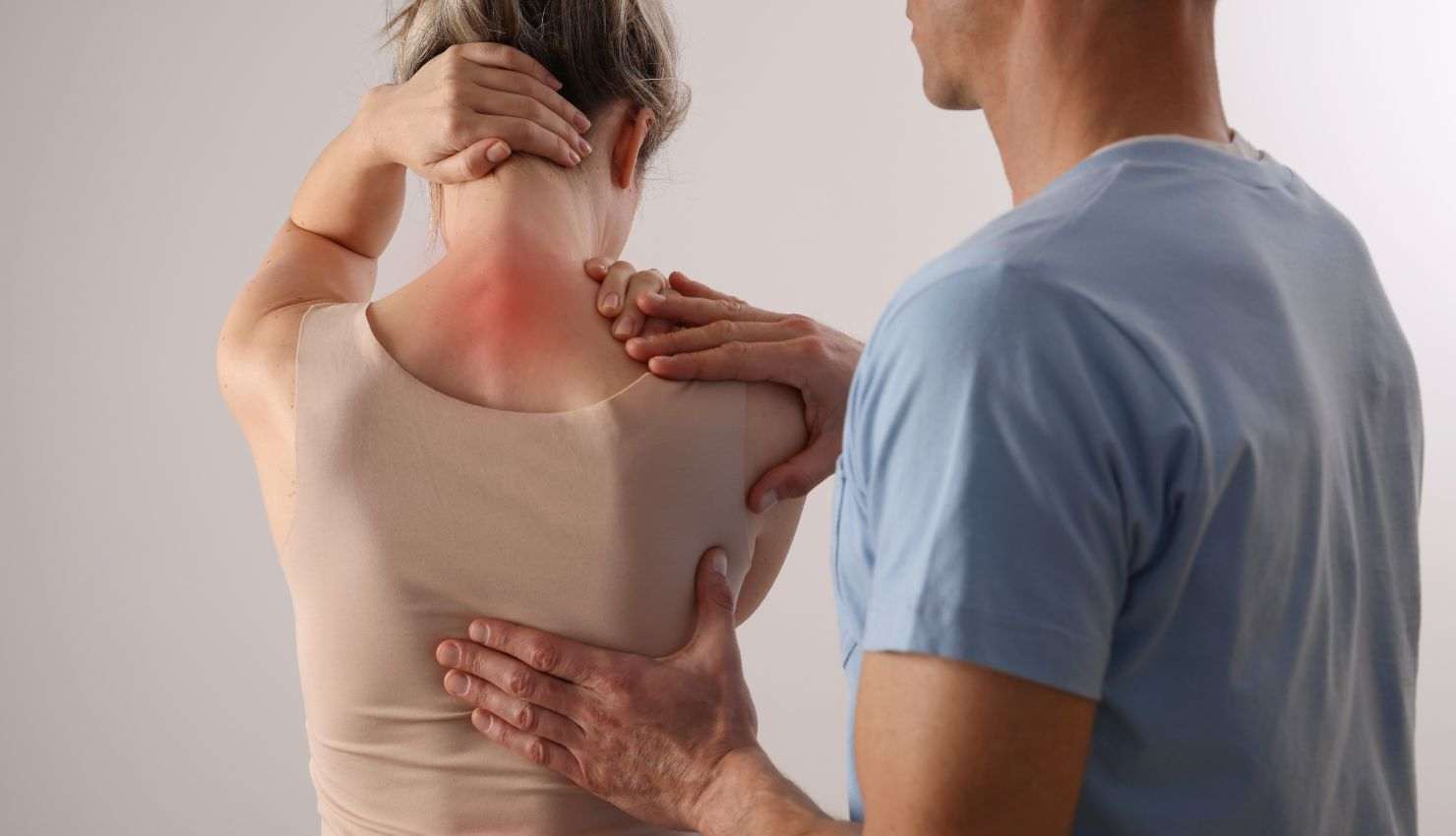
Good posture is vital at any age, but its especially important for children and teenagers. During these growth years, their bones, muscles, and nervous systems are developing rapidly. Poor posture habits during this time can lead to long-term issues like back pain, spinal deformities, and decreased physical performance. Physiotherapy plays a crucial role in identifying, preventing, and correcting posture problems in young people, helping them build healthy habits and strong bodies for life.
Why Posture Matters in Growing Children and Teens
Posture is the way we hold our bodies while standing, sitting, or moving. Proper posture aligns bones and muscles to minimize strain on joints and ligaments. During childhood and adolescence, rapid growth spurts can create imbalances as muscles and bones develop at different rates.
Common posture issues in children and teens include:
Rounded shoulders and forward head posture from screen time
Scoliosis or abnormal spinal curves
Poor sitting posture during schoolwork or device use
Muscle imbalances caused by inactivity or repetitive activities
Poor posture at a young age can contribute to fatigue, pain, and increased injury risk later in life.
How Physiotherapy Supports Healthy Posture
Physiotherapists specialize in assessing and treating musculoskeletal and postural issues in all age groups. When it comes to children and teens, physiotherapy focuses on:
Postural Assessment
Identifying alignment issues through observation and movement analysis.
Muscle Strengthening and Stretching
Targeting weak or tight muscles to restore balance and improve alignment.
Education and Habit Training
Teaching children and their families about proper posture, ergonomics, and movement habits.
Customized Exercise Programs
Engaging kids in fun, age-appropriate activities that promote core strength, flexibility, and coordination.
Monitoring Growth and Development
Tracking changes during growth spurts and adjusting interventions accordingly.
Key Exercises for Improving Posture in Young People
Physiotherapists recommend exercises that strengthen the core, back, and shoulder muscles while improving flexibility:
Wall Angels: Stand with back against the wall, slowly raise and lower arms like making a snow angel to strengthen upper back muscles.
Chin Tucks: Pull the chin gently back to align the head over the shoulders, reducing forward head posture.
Plank Holds: Builds core stability essential for supporting the spine.
Thoracic Extensions: Using a foam roller or simply lying back over a rolled towel to improve upper back mobility.
Scapular Squeezes: Pull shoulder blades together and hold to strengthen the mid-back.
Addressing Common Postural Challenges
Screen Time Posture:
Physiotherapists advise on ergonomic setups for devices and encourage regular breaks to stretch and move.
Backpack Use:
Properly fitting backpacks worn on both shoulders with moderate weight prevent undue spinal strain.
Sedentary Lifestyles:
Encouraging physical activity, sports, and outdoor play helps build muscular endurance and posture.
Early Intervention is Key
Detecting and addressing postural issues early prevents them from becoming chronic problems. Physiotherapy can identify subtle signs of imbalance or poor posture and implement corrective strategies before they lead to pain or deformity.
Benefits of Physiotherapy for Children and Teens
With physiotherapy support, young people can experience:
Improved posture and spinal alignment
Reduced risk of back and neck pain
Enhanced physical performance and confidence
Better body awareness and movement habits
Long-term spinal health and injury prevention
Conclusion
Posture in children and teens sets the foundation for lifelong spinal health. Physiotherapy offers a proactive, personalized approach to improving posture through assessment, targeted exercises, and education. Helping young people develop strong cores and balanced muscles today means healthier spines and better quality of life tomorrow.