How Physiotherapy Helps Improve Your Hormonal Health During Menopause explores targeted strategies for recovery. Discover new paths to mobility, healing, and personalized care.

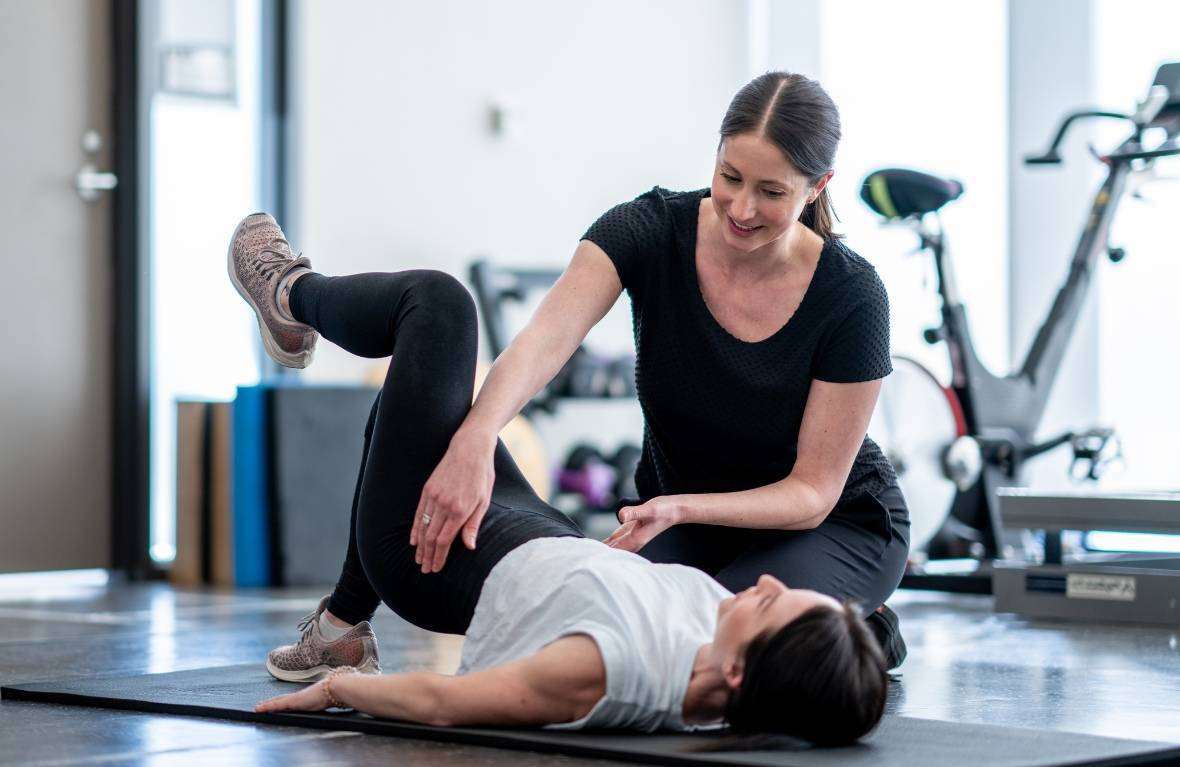
Menopause is a significant phase in a womans life that brings many physical and emotional changes. As the body transitions away from reproductive years, hormonal shiftsespecially the decline in estrogen and progesteronecan lead to a variety of symptoms like hot flashes, sleep disturbances, mood swings, and muscle weakness. While hormone replacement therapy (HRT) is one treatment option, many women seek natural and holistic approaches to support their health during menopause. This is where physiotherapy steps in as a valuable ally for managing symptoms and improving hormonal health.
Understanding Menopause and Hormonal Changes
Menopause officially begins when a woman has gone 12 consecutive months without a menstrual period, usually occurring between ages 45 and 55. During this time, the ovaries gradually reduce production of estrogen and progesteronekey hormones regulating reproductive health, bone density, cardiovascular function, and more.
The reduction in estrogen levels affects numerous body systems, contributing to common menopausal symptoms such as:
Hot flashes and night sweats
Vaginal dryness
Decreased muscle mass and strength
Joint stiffness and pain
Sleep difficulties
Mood changes including anxiety and depression
Weight gain and metabolic changes
Because these symptoms vary widely among women, personalized management strategies, including physiotherapy, are essential.
How Physiotherapy Supports Hormonal Health During Menopause
Physiotherapy is more than just injury rehabits a proactive approach to maintaining physical function and overall wellness, particularly during life transitions like menopause. Here are the key ways physiotherapy helps improve hormonal health during this phase:
1. Improving Musculoskeletal Health
Menopause increases the risk of osteoporosis and joint issues due to lower estrogen, which helps maintain bone density and joint lubrication. Physiotherapists design targeted exercise programs that focus on:
Weight-bearing and resistance training: These help slow bone loss, improve muscle mass, and strengthen joints, reducing fracture risk.
Flexibility and balance exercises: These reduce the risk of falls and maintain mobility and independence.
2. Managing Menopausal Symptoms Naturally
Physiotherapy techniques can reduce the severity of menopausal symptoms without medication. For example:
Pelvic floor physiotherapy can help with urinary incontinence, which is common during and after menopause due to hormonal weakening of pelvic muscles.
Breathing exercises and relaxation techniques assist in reducing stress and anxiety, which often worsen menopausal symptoms and hormonal imbalances.
Manual therapy can relieve joint pain and stiffness by improving circulation and mobility.
3. Enhancing Cardiovascular Health
Menopause increases cardiovascular risk due to hormonal changes affecting blood vessel function and metabolism. Physiotherapists promote cardiovascular health through tailored aerobic exercise plans, which help:
Improve heart and lung function
Regulate blood pressure
Support healthy weight management
4. Supporting Mental Health and Sleep
Mood swings, anxiety, and sleep disturbances are common during menopause and closely tied to hormonal changes. Physiotherapy supports mental wellness through:
Exercise-induced endorphin release: Regular physical activity boosts mood-enhancing hormones like serotonin and dopamine.
Mind-body therapies: Techniques such as guided relaxation and gentle movement help improve sleep quality and reduce anxiety.
Customized Exercise Plans: The Cornerstone of Physiotherapy for Menopause
One of the most powerful tools physiotherapists use is personalized exercise programming. These plans take into account a womans current health status, hormonal symptoms, fitness level, and personal goals.
Strength Training: Builds muscle and bone density, combats age-related sarcopenia, and supports metabolism.
Aerobic Exercise: Improves cardiovascular health and helps with weight management and mood stabilization.
Flexibility and Balance Training: Prevents falls and maintains joint mobility.
Pelvic Floor Exercises: Addresses urinary symptoms and supports sexual health.
Why Professional Guidance Matters
While many women attempt self-guided exercise during menopause, professional physiotherapy guidance ensures exercises are safe, effective, and tailored to individual needs. This personalized care helps:
Prevent injury or overexertion
Address specific symptoms such as pelvic pain or joint stiffness
Incorporate holistic approaches, combining exercise with education on posture, ergonomics, and lifestyle factors
Integrating Physiotherapy with Other Lifestyle Changes
Physiotherapy works best as part of a comprehensive approach to menopausal health. Alongside exercise, women are encouraged to:
Maintain a balanced diet rich in calcium, vitamin D, and antioxidants
Manage stress through mindfulness and relaxation techniques
Prioritize quality sleep hygiene
Avoid smoking and excessive alcohol consumption
The Bottom Line: Physiotherapy Empowers Women Through Menopause
Menopause doesnt have to be a time of decline or discomfort. With the right support, women can maintain vitality, strength, and hormonal balance. Physiotherapy offers practical, science-backed strategies to manage menopausal symptoms naturally, improve musculoskeletal health, and enhance overall quality of life.
For women navigating this transition, partnering with a skilled physiotherapist can mean less pain, better function, and a smoother journey through menopauses hormonal shifts.