How Physiotherapy Helps in Recovery after ACL Surgery for Athletes explores targeted strategies for recovery. Discover new paths to mobility, healing, and personalized care.

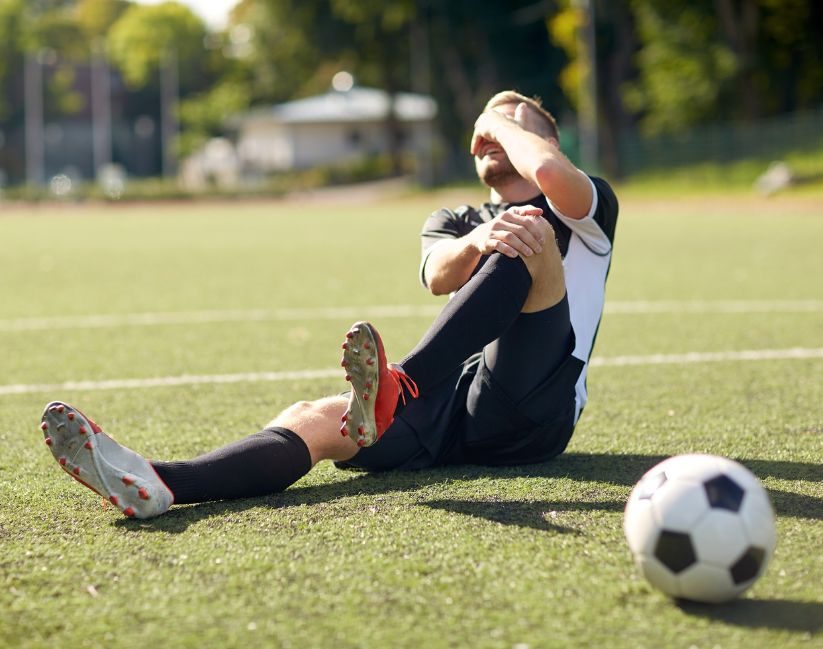
Anterior Cruciate Ligament (ACL) injuries are some of the most dreaded setbacks for athletes, especially those involved in sports that require cutting, pivoting, or sudden stopsthink football, basketball, skiing, and soccer. When surgery is necessary to repair a torn ACL, the journey to full recovery is just beginning. Physiotherapy plays a pivotal role in that journey, helping athletes regain knee function, rebuild strength, and safely return to their sport.
What is the ACL and Why is it So Important?
The ACL is one of the key ligaments inside the knee joint, connecting the thigh bone (femur) to the shin bone (tibia). It stabilizes the knee by preventing excessive forward movement of the tibia and controlling rotational forces. Because of this crucial role, an ACL tear can severely compromise knee stability and athletic performance.
The Road to Recovery: Why Physiotherapy is Essential Post-ACL Surgery
After ACL reconstruction surgery, the knee is vulnerable to stiffness, muscle weakness, and swelling. Without proper rehabilitation, these issues can become chronic, limiting the athletes ability to return to high-level sports. Physiotherapy addresses these challenges head-on with a carefully phased recovery plan.
Reducing Swelling and Pain: Early physiotherapy uses techniques such as manual lymphatic drainage, compression, and gentle movement to control swelling and pain.
Restoring Range of Motion: Scar tissue formation can limit knee flexibility. Physiotherapists use stretching and mobilization exercises to restore normal movement.
Rebuilding Muscle Strength: The quadriceps and hamstrings often weaken significantly after surgery. Strengthening these muscles is critical for knee stability and function.
Improving Balance and Proprioception: After an ACL injury, the bodys sense of joint position (proprioception) is often impaired. Balance exercises retrain the nervous system to protect the knee.
Functional Training and Sport-Specific Drills: Once strength and mobility improve, physiotherapists introduce controlled, sport-specific activities to prepare the athlete for return to play.
Phase-Wise Rehabilitation for Optimal Recovery
Physiotherapy after ACL surgery is typically divided into phases:
Phase 1 (0-2 weeks post-surgery): Focus on pain and swelling reduction, achieving full knee extension, and beginning gentle muscle activation.
Phase 2 (2-6 weeks): Increasing knee flexion, starting weight-bearing exercises, and basic strengthening.
Phase 3 (6-12 weeks): Emphasis on strength, endurance, and improving walking and balance.
Phase 4 (3-6 months): Advanced strength training, agility exercises, and sport-specific drills.
Phase 5 (6+ months): Return-to-sport readiness, including plyometrics and full training integration.
Each phase builds upon the previous, ensuring the knee regains stability and functionality progressively without risking re-injury.
The Importance of Individualized Therapy
No two athletes are alike. Physiotherapists tailor each rehabilitation plan based on factors such as the athletes age, sport, surgery type, and personal goals. Regular assessments guide progression and allow adjustments to the program.
Preventing Re-Injury Through Physiotherapy
Athletes recovering from ACL surgery are at higher risk for re-injury if rehabilitation is rushed or incomplete. Physiotherapy minimizes this risk by:
Ensuring adequate strength and endurance before returning to sport.
Correcting movement patterns that may have contributed to the injury.
Incorporating neuromuscular training to improve coordination and knee stability.
Educating athletes on safe training practices and injury prevention.
Mental Health and Motivation During Recovery
ACL rehabilitation can be mentally challenging due to the long recovery timeline. Physiotherapists support athletes psychologically by setting achievable milestones, offering encouragement, and fostering a positive outlookkey factors in successful recovery.
Conclusion: Physiotherapy is the Cornerstone of ACL Recovery
ACL surgery fixes the torn ligament, but physiotherapy rebuilds the knees function and the athletes confidence. With guided rehabilitation, athletes can overcome the limitations of injury and surgery to return to peak performancestronger and more resilient than before.