How Physiotherapy Helps Manage Hormonal Symptoms and Improve Quality of Life explores targeted strategies for recovery. Discover new paths to mobility, healing, and personalized care.

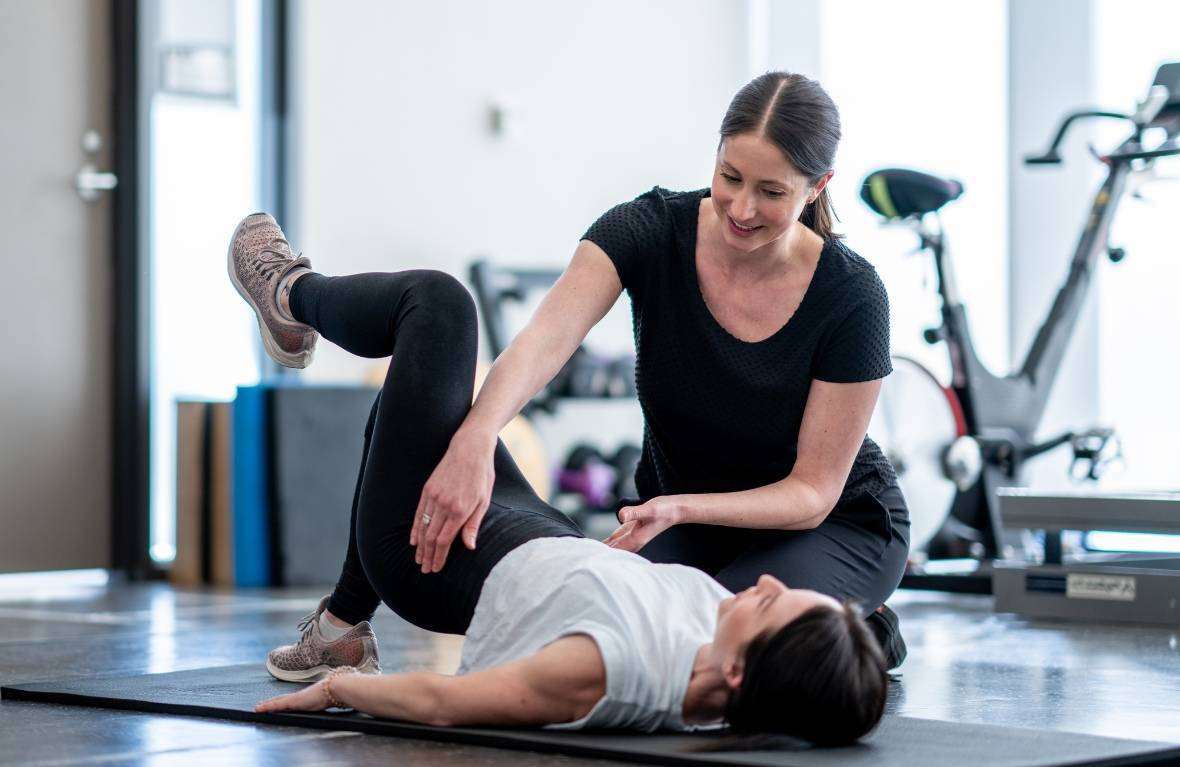
Hormonal fluctuations affect not just your physical health but your overall quality of lifeimpacting mood, energy, sleep, and even relationships. Conditions like menopause, thyroid imbalances, or polycystic ovary syndrome (PCOS) can make daily living challenging. Fortunately, physiotherapy offers practical, holistic strategies to ease these symptoms and support a better quality of life.
Understanding the Impact of Hormonal Symptoms
Hormonal symptoms are wide-ranging and often overlap:
Hot flashes, night sweats, and sleep disturbances
Mood swings, anxiety, or depression
Fatigue and low energy
Muscle weakness, joint pain, or stiffness
Weight fluctuations and metabolic changes
These symptoms can affect your confidence, productivity, and wellbeing.
The Role of Physiotherapy in Managing Hormonal Symptoms
Physiotherapy targets the root causes and physical manifestations of hormonal imbalances:
Pain Management: Manual therapy and targeted exercises relieve muscle and joint pain common in hormonal conditions.
Improved Mobility and Strength: Customized strengthening programs help combat muscle weakness and improve functional independence.
Stress Reduction Techniques: Relaxation methods lower cortisol, reducing anxiety and improving mood.
Sleep Support: Physiotherapy interventions like relaxation exercises and posture correction improve sleep quality.
Pelvic Floor Health: Hormonal changes often affect pelvic support; physiotherapy strengthens these muscles to prevent incontinence and discomfort.
How Physiotherapy Enhances Daily Life
With consistent physiotherapy, many experience:
Increased energy and vitality
Better mood stability and reduced anxiety
Improved physical function for everyday activities
Enhanced sleep and recovery
Greater body awareness and confidence
Physiotherapy and Hormonal Life Stages
Women experience hormonal shifts during puberty, pregnancy, postpartum, perimenopause, and menopause. Physiotherapy adapts to these stages, providing targeted support through:
Pelvic floor rehabilitation postpartum
Managing menopausal joint pain and bone health
Addressing musculoskeletal changes during perimenopause
Partnering with Your Physiotherapist
Your physiotherapist becomes your wellness partnerhelping you navigate hormonal changes with personalized plans, ongoing support, and education.
At YourFormsUX Canada, We Care
Our dedicated physiotherapy team specializes in womens health and hormonal wellness. We focus on improving your quality of life through tailored interventions that fit your unique journey.