Musculoskeletal pain, which affects the bones, muscles, ligaments, tendons, and nerves, is a common issue that can result from a variety of causes, including injuries, poor posture, aging, overuse, or medical conditions like arthritis. Physiotherapy is one of the most effective, non-invasive methods for managing musculoskeletal pain and improving function.

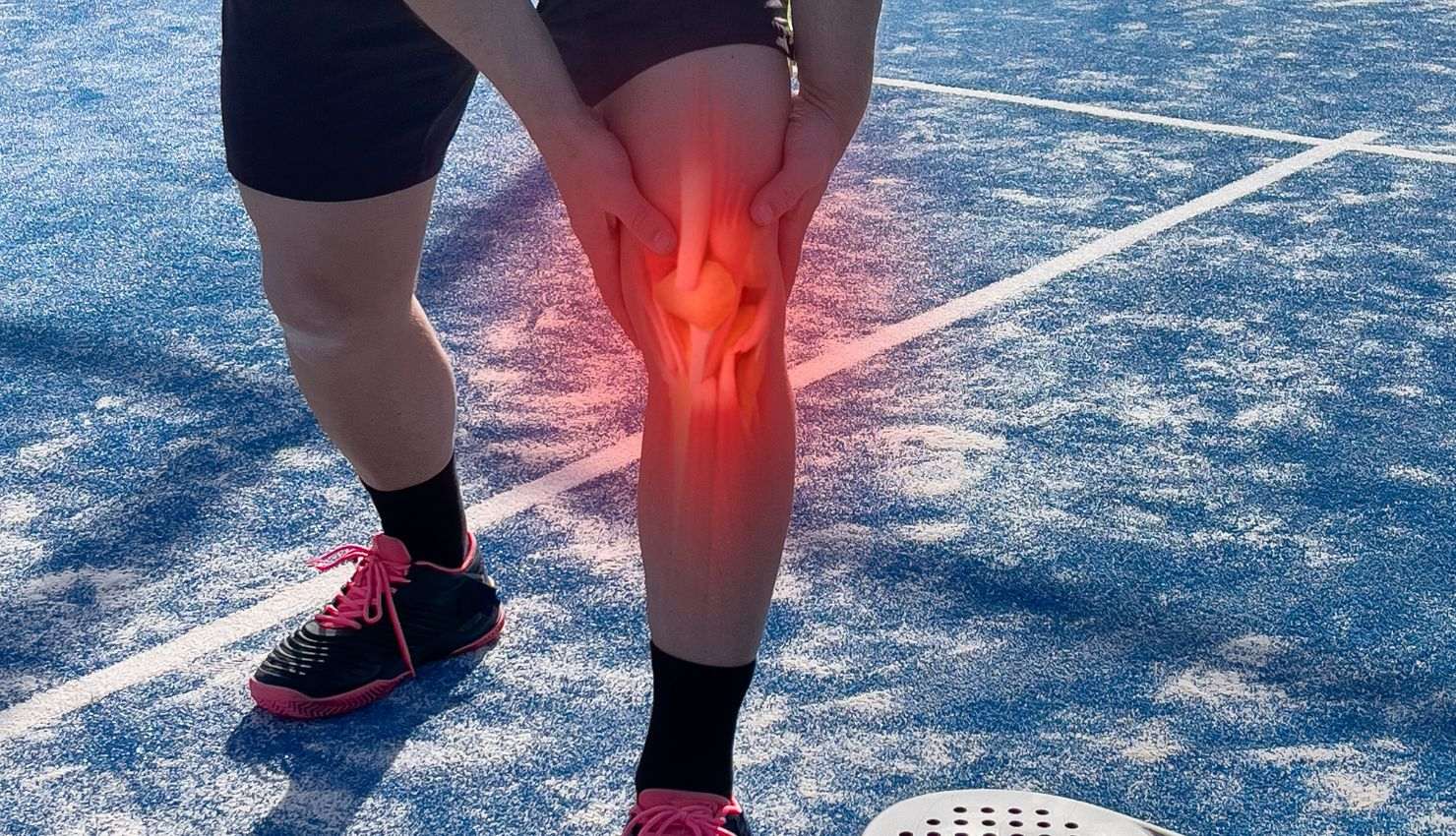
Musculoskeletal pain, which affects the bones, muscles, ligaments, tendons, and nerves, is a common issue that can result from a variety of causes, including injuries, poor posture, aging, overuse, or medical conditions like arthritis. Physiotherapy is one of the most effective, non-invasive methods for managing musculoskeletal pain and improving function. Physiotherapists use a combination of techniques tailored to the individuals specific condition and needs to alleviate pain, restore movement, and prevent future problems.
Heres how physiotherapy helps manage musculoskeletal pain:
### **1. Assessment and Diagnosis**
The first step in managing musculoskeletal pain with physiotherapy is a thorough assessment. The physiotherapist will take a detailed history of your condition and perform a physical examination to identify the root causes of the pain. This assessment includes:
* **Pain History**: Understanding the onset, intensity, and location of pain, as well as activities that worsen or alleviate it.
* **Postural and Movement Assessment**: Identifying any postural abnormalities, muscle imbalances, or movement dysfunctions that could be contributing to the pain.
* **Joint Mobility and Muscle Strength**: Evaluating the range of motion, muscle strength, flexibility, and joint function to determine what may be limiting movement and causing discomfort.
Once the physiotherapist has a complete understanding of your condition, they can develop a personalized treatment plan aimed at managing and relieving pain.
—
### **2. Pain Relief Techniques**
Physiotherapists use various modalities to reduce pain and inflammation in the affected areas. These techniques are often used in conjunction with other treatments to provide immediate relief and create an optimal environment for healing.
#### **Common Pain Relief Techniques:**
* **Ice Therapy (Cryotherapy)**: Ice is applied to the painful area to reduce inflammation, numb the tissue, and manage acute pain. It is particularly effective in the early stages of an injury or flare-up.
* **Heat Therapy**: Heat helps relax tight muscles, increase blood flow, and ease stiffness. Its often used for chronic musculoskeletal conditions to promote relaxation and pain relief.
* **Transcutaneous Electrical Nerve Stimulation (TENS)**: TENS involves applying electrical impulses to the skin to block pain signals and promote the release of natural painkillers (endorphins).
* **Ultrasound Therapy**: High-frequency sound waves penetrate tissues, promoting deep heating, improving circulation, reducing inflammation, and facilitating the healing of soft tissues.
* **Laser Therapy**: Low-level laser therapy (LLLT) is sometimes used to reduce inflammation, alleviate pain, and stimulate tissue regeneration in muscles, tendons, and joints.
—
### **3. Manual Therapy**
Manual therapy involves hands-on techniques used by physiotherapists to treat musculoskeletal pain by improving the function of muscles, joints, and soft tissues.
#### **Key Manual Therapy Techniques:**
* **Joint Mobilization**: This technique involves the physiotherapist using gentle movements to restore mobility and flexibility in stiff joints, helping reduce pain and improve function.
* **Soft Tissue Manipulation**: Massage and myofascial release techniques are used to relieve muscle tightness, improve blood circulation, and reduce tension in soft tissues around the joints and muscles.
* **Muscle Energy Techniques (METs)**: METs involve voluntary muscle contractions against a physiotherapist’s resistance. This helps to increase flexibility, reduce muscle tightness, and restore normal muscle function.
* **Trigger Point Therapy**: Trigger points, or muscle knots, are often a source of pain in musculoskeletal conditions. Physiotherapists use techniques such as pressure or dry needling to release these points and relieve pain.
—
### **4. Strengthening Exercises**
Strengthening exercises are essential for managing musculoskeletal pain, especially when it is caused by muscle weakness, imbalances, or poor posture. Physiotherapists guide patients through specific exercises that target weakened or underused muscles to restore balance and improve overall function.
#### **Benefits of Strengthening Exercises:**
* **Improves Joint Stability**: Strengthening the muscles around the affected joint helps to reduce strain on the joint, improving stability and preventing further injury.
* **Corrects Muscle Imbalances**: Many musculoskeletal problems arise from muscle imbalances. Strengthening exercises help to correct these imbalances, ensuring that muscles function together properly.
* **Reduces Pain**: Strengthening the muscles that support the spine, shoulders, hips, and knees can reduce pain by preventing excessive load on muscles, ligaments, and joints.
#### **Examples of Strengthening Exercises:**
* **Core Exercises**: Strengthening the muscles of the core (abdomen, lower back, and pelvis) is particularly beneficial for managing lower back pain and improving posture.
* **Resistance Training**: Using resistance bands, dumbbells, or body weight exercises helps to increase strength in key muscle groups such as the legs, arms, and back.
* **Targeted Strengthening**: Physiotherapists can prescribe exercises that specifically target the muscles most affected by pain, such as strengthening the rotator cuff for shoulder pain or the quadriceps for knee pain.
—
### **5. Stretching and Flexibility Exercises**
Tight muscles and poor flexibility can contribute to musculoskeletal pain by placing undue stress on the joints and surrounding tissues. Stretching exercises are an important part of physiotherapy for improving flexibility and relieving pain.
#### **Benefits of Stretching:**
* **Improves Range of Motion**: Stretching helps to increase the flexibility and range of motion of muscles and joints, which reduces stiffness and enhances mobility.
* **Reduces Muscle Tension**: Stretching relaxes tight muscles, alleviating discomfort and improving overall function.
* **Prevents Injury**: Regular stretching helps to prevent overuse injuries by maintaining muscle elasticity and reducing the risk of strain.
#### **Examples of Stretching Exercises:**
* **Hamstring Stretch**: This helps improve flexibility in the back of the legs, which is especially important for lower back pain.
* **Hip Flexor Stretch**: For individuals with lower back or hip pain, stretching the hip flexors can relieve tension and improve alignment.
* **Upper Back Stretch**: Stretching the upper back muscles, including the trapezius and rhomboids, can relieve shoulder and neck pain.
—
### **6. Postural Correction and Ergonomic Advice**
Poor posture and improper ergonomics are major contributors to musculoskeletal pain, particularly in the neck, shoulders, and back. Physiotherapists educate patients on the importance of good posture and proper body mechanics in reducing pain and preventing future injuries.
#### **How it Helps:**
* **Reduces Strain on Muscles and Joints**: Correcting posture reduces the strain on muscles and joints that occurs with slouching or poor alignment.
* **Prevents Recurrent Pain**: By providing ergonomic advice and teaching proper movement patterns, physiotherapists help prevent the recurrence of musculoskeletal pain.
* **Enhances Function**: Postural correction improves overall function and allows patients to perform daily tasks more efficiently and comfortably.
#### **Postural and Ergonomic Adjustments:**
* **Workstation Setup**: Physiotherapists can assess your desk, chair, and computer setup to ensure they promote proper alignment and reduce strain on the neck, shoulders, and back.
* **Body Mechanics Education**: They will teach you how to lift, bend, sit, and stand properly to avoid exacerbating pain and prevent injury.
—
### **7. Education and Self-Management**
A key part of physiotherapy for musculoskeletal pain is educating patients about their condition and providing strategies to manage pain independently. Learning how to manage your pain through lifestyle modifications and self-care techniques is essential for long-term recovery.
#### **Education and Self-Management Tips:**
* **Pacing and Activity Modification**: Physiotherapists teach patients how to pace their activities and modify movements to avoid aggravating pain.
* **Heat and Cold Therapy**: Physiotherapists may recommend using ice or heat at home to manage pain and inflammation, depending on the type of musculoskeletal condition.
* **Mindfulness and Stress Reduction**: Managing the emotional and psychological aspects of chronic pain through relaxation, deep breathing, or mindfulness techniques can enhance overall well-being and reduce pain perception.
—
### **8. Long-Term Pain Management and Prevention**
Physiotherapy is not just about short-term pain relief; it also helps individuals manage pain in the long run by preventing further injury and promoting a healthy, active lifestyle.
#### **Long-Term Strategies:**
* **Regular Exercise**: Continued engagement in appropriate exercises will keep muscles strong, joints flexible, and the body better equipped to handle stress and prevent injury.
* **Ongoing Education**: Physiotherapists offer continuous education on body mechanics, posture, and self-care strategies to manage musculoskeletal health.
* **Lifestyle Adjustments**: Incorporating healthy habits, such as maintaining a healthy weight, staying active, and avoiding repetitive strain, can help manage musculoskeletal pain over the long term.
—
### **Conclusion**
Physiotherapy is an effective and comprehensive approach to managing musculoskeletal pain. Through a combination of manual therapy, exercise, postural correction, and education, physiotherapists help alleviate pain, restore mobility, and prevent further injury. Whether you’re dealing with acute pain from an injury or chronic pain due to conditions like arthritis, physiotherapy offers a holistic solution that empowers you to take control of your recovery and maintain an active, healthy lifestyle.