As people age, the risk of developing pain from musculoskeletal issues, arthritis, joint degeneration, and other age-related conditions increases. Chronic pain can be debilitating and affect the elderly’s quality of life, making it harder for them to engage in daily activities, maintain mobility, and enjoy an active lifestyle.

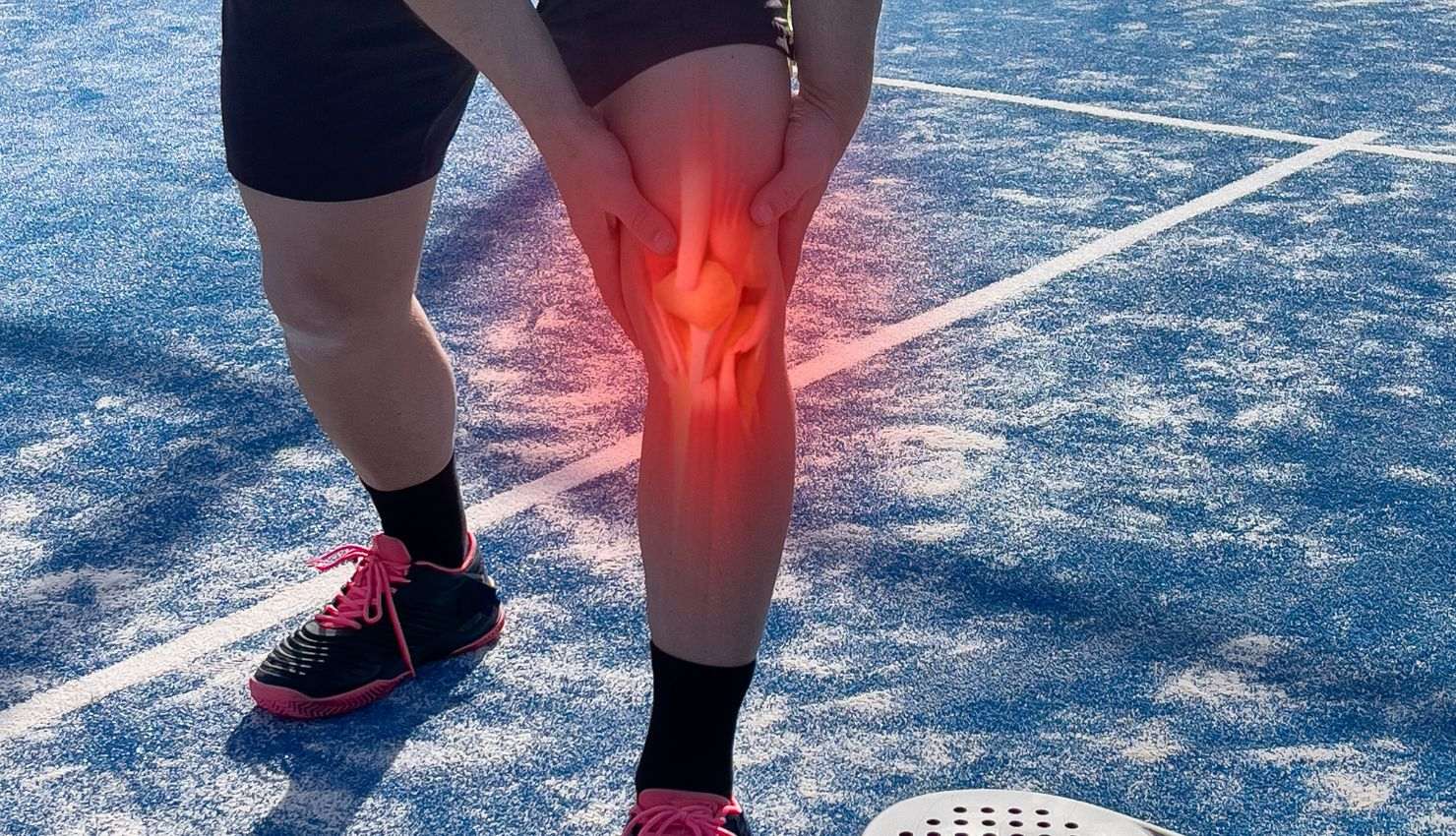
As people age, the risk of developing pain from musculoskeletal issues, arthritis, joint degeneration, and other age-related conditions increases. Chronic pain can be debilitating and affect the elderly’s quality of life, making it harder for them to engage in daily activities, maintain mobility, and enjoy an active lifestyle. Physiotherapy offers a holistic, non-invasive approach to managing pain in the elderly, helping to improve mobility, reduce discomfort, and enhance overall well-being.
Heres how physiotherapy helps manage pain in the elderly:
### **1. Improving Joint Mobility and Reducing Stiffness**
Joint stiffness is a common issue among the elderly, often due to conditions like osteoarthritis, rheumatoid arthritis, or general wear and tear. When joints become stiff, it can result in pain and limited mobility. Physiotherapists use specific techniques to improve joint mobility, reduce stiffness, and alleviate associated pain.
#### **How Physiotherapy Helps:**
* **Joint Mobilization**: Physiotherapists use gentle, controlled movements to mobilize stiff joints, particularly in the spine, knees, hips, and shoulders. These mobilizations help restore normal joint function and reduce discomfort from restrictions.
* **Stretching Exercises**: Targeted stretching exercises can improve the flexibility of muscles, tendons, and ligaments around the joints. Stretching can reduce tension and stiffness, alleviating pain caused by conditions like osteoarthritis.
* **Range of Motion (ROM) Exercises**: Physiotherapists prescribe passive and active ROM exercises to help maintain or improve the range of motion in affected joints. These exercises help reduce stiffness, improve mobility, and ease discomfort, allowing for smoother movement.
By improving joint mobility and reducing stiffness, physiotherapy helps elderly individuals move more freely, reducing pain and discomfort.
—
### **2. Strengthening Muscles for Better Support and Stability**
Weak muscles, particularly in the core, hips, and legs, can contribute to pain and functional limitations. Muscular weakness can increase the load on joints, particularly in individuals with osteoarthritis or degenerative disc disease, leading to increased pain. Physiotherapy focuses on strengthening muscles to improve stability and reduce the strain on joints.
#### **How Physiotherapy Helps:**
* **Targeted Strengthening Exercises**: Physiotherapists design exercise programs that focus on strengthening key muscle groups such as the legs, core, back, and shoulders. Stronger muscles help support the bodys weight and take pressure off painful joints.
* **Balance and Posture Training**: Strengthening muscles also improves balance and posture, reducing the risk of falls. Falls are a significant cause of pain and injury in the elderly, so maintaining muscle strength and stability is crucial.
* **Functional Training**: Physiotherapists include functional exercises that mimic daily activities such as squatting, bending, and lifting. This helps improve strength and coordination for tasks like standing up from a chair, climbing stairs, or walking, reducing pain during movement.
By improving muscle strength, physiotherapy helps provide better support for the joints and spine, reducing pain and improving stability.
—
### **3. Alleviating Pain from Arthritis**
Arthritis, particularly osteoarthritis and rheumatoid arthritis, is a common cause of pain in the elderly. It causes inflammation in the joints, leading to pain, stiffness, and limited mobility. Physiotherapy plays a significant role in managing arthritis pain and improving joint function.
#### **How Physiotherapy Helps with Arthritis:**
* **Stretching and Flexibility**: Regular stretching can help maintain or increase the flexibility of muscles and joints, improving their function and reducing stiffness caused by arthritis.
* **Strengthening Surrounding Muscles**: Strengthening the muscles around arthritic joints helps reduce the load on the joint, alleviating pain. For example, strengthening the quadriceps muscles in the legs can reduce knee pain caused by osteoarthritis.
* **Joint Protection Techniques**: Physiotherapists teach patients strategies to protect their joints and minimize pain during daily activities. This may include modifying movements to reduce excessive joint strain and using assistive devices to make tasks easier.
* **Pain Management Techniques**: Physiotherapists may also use modalities such as heat and cold therapy, ultrasound, or TENS (Transcutaneous Electrical Nerve Stimulation) to alleviate arthritis pain and inflammation.
By improving joint function, reducing inflammation, and strengthening muscles, physiotherapy helps manage the pain and limitations caused by arthritis.
—
### **4. Addressing Chronic Pain Conditions**
Chronic pain conditions such as fibromyalgia, neuropathy, and degenerative disc disease are more common in the elderly and can cause widespread or localized pain. Physiotherapy offers comprehensive strategies to manage these conditions and improve quality of life.
#### **How Physiotherapy Helps with Chronic Pain:**
* **Pain Education and Self-Management**: Physiotherapists educate patients on the nature of their pain, helping them understand how to manage it through lifestyle modifications, exercise, and self-care techniques. This includes strategies for pacing activities and avoiding aggravating movements.
* **Multidimensional Treatment Approach**: Physiotherapists use a combination of exercises, manual therapy, and pain management techniques such as heat, cold, TENS, or ultrasound to address chronic pain from multiple angles.
* **Gentle Movement and Exercise**: For conditions like fibromyalgia, where pain is widespread, physiotherapists recommend gentle aerobic exercises, stretching, and strengthening to help manage pain without overloading the body.
* **Relaxation Techniques**: Physiotherapists incorporate relaxation techniques like deep breathing or mindfulness to reduce the emotional and psychological impact of chronic pain, which can exacerbate physical discomfort.
By addressing both the physical and emotional components of chronic pain, physiotherapy helps the elderly manage pain in the long term.
—
### **5. Managing Nerve Pain**
Nerve pain, or neuropathy, is common in the elderly, often due to conditions like diabetes, spinal stenosis, or herniated discs. Physiotherapy can help reduce nerve pain and improve function by targeting the underlying causes and alleviating pressure on the nerves.
#### **How Physiotherapy Helps with Nerve Pain:**
* **Nerve Gliding Exercises**: Physiotherapists use nerve gliding or flossing exercises to gently mobilize the nerves and reduce nerve compression. These exercises can alleviate pain caused by conditions such as sciatica or carpal tunnel syndrome.
* **Posture and Alignment**: Poor posture or spinal misalignment can place pressure on the nerves, leading to pain. Physiotherapists correct posture and alignment to reduce nerve irritation and alleviate discomfort.
* **Strengthening and Stretching**: Strengthening muscles around the affected nerve can help reduce pressure and alleviate nerve pain. Additionally, stretching tight muscles that contribute to nerve compression can provide pain relief.
By reducing nerve compression and improving posture and alignment, physiotherapy helps manage nerve-related pain in the elderly.
—
### **6. Improving Balance and Fall Prevention**
Falls are a major concern for the elderly, particularly those with musculoskeletal pain. Physiotherapy focuses on improving balance, stability, and coordination, which helps reduce the risk of falls and associated injuries.
#### **How Physiotherapy Helps Prevent Falls:**
* **Balance Training**: Physiotherapists use targeted exercises to improve balance and coordination, such as standing on one leg or using balance boards. These exercises help strengthen the muscles that control posture and stability, reducing the risk of falls.
* **Strengthening Lower Body Muscles**: Strong legs and core muscles are essential for maintaining balance and preventing falls. Physiotherapists prescribe exercises to strengthen these muscles, improving stability and reducing pain in the lower back, hips, and knees.
* **Environmental Modifications**: Physiotherapists assess the patients living environment and provide recommendations to reduce fall hazards, such as removing rugs, installing grab bars, or adjusting lighting. These modifications help create a safer environment and reduce the likelihood of falls.
By improving balance, strength, and safety, physiotherapy helps reduce the risk of falls and the pain associated with fall-related injuries.
—
### **7. Enhancing Overall Quality of Life**
Pain management through physiotherapy not only helps reduce discomfort but also improves the elderlys ability to engage in daily activities, maintain independence, and enjoy life. Physiotherapy fosters long-term well-being by addressing pain, restoring function, and promoting an active lifestyle.
#### **How Physiotherapy Enhances Quality of Life:**
* **Promotes Physical Activity**: Physiotherapists encourage regular exercise to maintain mobility, strength, and cardiovascular health. Physical activity also boosts mood and energy levels, helping combat the physical and psychological effects of pain.
* **Social and Psychological Benefits**: Pain relief and improved mobility allow the elderly to engage more fully in social activities, hobbies, and family life. This helps combat isolation and promotes mental and emotional well-being.
* **Personalized Care Plans**: Physiotherapists work closely with the elderly to develop personalized treatment plans that align with their goals and lifestyle, ensuring they can live pain-free and stay as active as possible.
By improving mobility, reducing pain, and supporting overall health, physiotherapy enhances the elderlys quality of life, enabling them to live independently and comfortably.
—
### **Conclusion**
Physiotherapy is a highly effective, non-invasive treatment for managing pain in the elderly. By focusing on improving joint mobility, strengthening muscles, relieving nerve pain, and addressing postural imbalances, physiotherapy helps reduce discomfort and restore function. Through individualized treatment plans, pain management techniques, and fall prevention strategies, physiotherapists support the elderly in living an active, pain-free lifestyle. Whether managing arthritis, chronic pain, or recovering from an injury, physiotherapy plays a vital role in enhancing the well-being of older adults, ensuring they can maintain independence and enjoy a high quality of life.