How Physiotherapy Helps Performers Maintain Peak Physical Health explores targeted strategies for recovery. Discover new paths to mobility, healing, and personalized care.

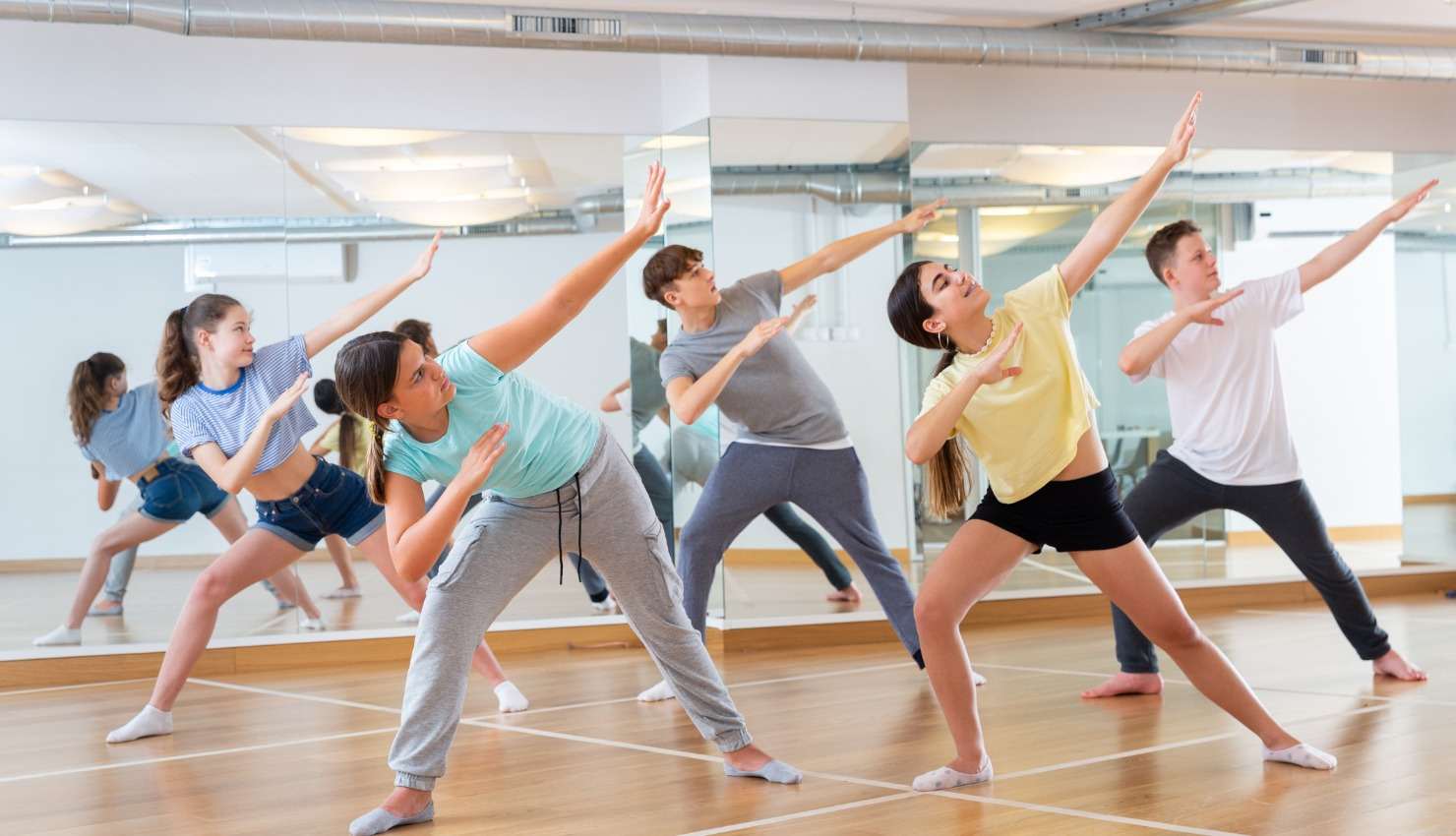
Performers, whether they are dancers, actors, or musicians, are often required to push their bodies to physical limits in order to deliver exceptional performances. From intense dance routines to long hours of practice or stage time, the body undergoes considerable strain, leading to an increased risk of injury, fatigue, and performance limitations. This is where physiotherapy plays an essential role in helping performers maintain peak physical health, enabling them to perform at their best, reduce injury risks, and recover efficiently.
The Demands of Performance on the Body
Performing arts require high levels of physicality, flexibility, strength, and endurance. Whether a dancer is executing multiple pirouettes, an actor is delivering an intense monologue, or a musician is playing an instrument for several hours, the body experiences considerable physical stress. The repetitive movements, long rehearsal hours, and the need for mental and physical endurance can lead to various injuries such as strains, sprains, joint pain, muscle fatigue, and even overuse injuries.
Moreover, the pressure to consistently perform at a high level can lead to physical imbalances, poor posture, and tension in the body, which can hinder a performers ability to deliver their best work. This is where physiotherapy becomes vital in ensuring the body stays healthy, balanced, and ready to perform.
How Physiotherapy Helps Performers Maintain Peak Physical Health
Physiotherapy provides a holistic approach to managing and improving physical health for performers. Through individualized assessments, injury prevention techniques, strength and flexibility training, and post-performance recovery protocols, physiotherapists help performers stay in top shape. Below are the key ways physiotherapy supports performers in maintaining peak physical health:
Injury Prevention and Performance Optimization
Physiotherapists assess a performers body mechanics, movement patterns, and posture to identify areas of strain or imbalance. This proactive approach allows physiotherapists to design customized exercise programs that address weaknesses, improve posture, and reduce the risk of injury. By identifying potential problems before they become serious injuries, physiotherapists help performers optimize their physical abilities and avoid setbacks in their careers.
Strengthening and Conditioning
Performers need a strong body to endure the physical demands of their craft. Physiotherapists create conditioning programs that focus on building strength, endurance, and stability. Whether its for improving core strength, boosting leg power for dancers, or building upper body strength for musicians, physiotherapists tailor exercises to suit the specific needs of the performer. Regular strength training also helps increase muscle resilience, enabling performers to withstand the rigors of rehearsal and performance.
Flexibility and Mobility Training
Flexibility and mobility are crucial for many performers, particularly dancers and actors who require a wide range of motion for their movements. Physiotherapists help performers achieve and maintain optimal flexibility through stretching routines, joint mobilization, and dynamic flexibility exercises. By improving the flexibility of the muscles and joints, physiotherapists reduce the risk of muscle strains and enhance the range of motion, which is essential for fluid movement and dynamic performance.
Pain Management and Recovery
For performers who experience pain due to overuse, injury, or physical strain, physiotherapy offers effective pain management strategies. Physiotherapists use techniques such as heat and cold therapy, deep tissue massage, dry needling, and electrical stimulation to alleviate pain, reduce inflammation, and promote healing. Additionally, physiotherapists guide performers through appropriate recovery protocols after a performance or rehearsal, which may include rest, gentle movement, and rehabilitation exercises to prevent long-term damage.
Posture and Alignment Correction
Poor posture and misalignment can contribute to pain, fatigue, and diminished performance. Physiotherapists evaluate a performers posture and alignment, looking for areas where tension and strain may develop. They provide targeted exercises to improve posture, strengthen supporting muscles, and promote correct alignment. Proper alignment helps to distribute weight evenly across the body, reducing the risk of stress on specific joints and muscles, and leading to more efficient movement.
Breathing Techniques and Core Stability
For performers, especially vocalists and actors, breathing techniques are essential for both performance and overall physical health. Physiotherapists teach breathing exercises that help performers engage their diaphragm, improve lung capacity, and control their breath during performances. Proper breathing also supports core stability, which is essential for maintaining strength and balance during demanding routines. Core strength, which supports the spine and pelvis, is particularly important for dancers and athletes, as it contributes to better control and performance.
Rehabilitation from Injury
Despite preventive measures, injuries can still occur. When injuries do happen, physiotherapy is crucial for rehabilitation and recovery. Physiotherapists design tailored rehabilitation programs that focus on restoring mobility, strength, and functionality to the injured area. By addressing the injury comprehensively and promoting proper healing, physiotherapists help performers return to their craft faster and with a reduced risk of re-injury. The rehab process also includes techniques for managing pain and ensuring that the performer doesnt rush the recovery process.
Mental Health Support
Maintaining physical health is intrinsically linked to mental well-being. The demands of performing can take a toll on mental health, with performers often facing stress, anxiety, and performance pressure. Physiotherapists can offer guidance on relaxation techniques, stress reduction, and recovery practices that help maintain both physical and mental wellness. Restorative practices, such as yoga or mindfulness exercises, can help reduce the physical and mental strain of performance, allowing performers to stay focused and energized.
Common Physical Challenges Faced by Performers and How Physiotherapy Helps
Performers face a variety of physical challenges as a result of their intense schedules and demanding routines. Some of the most common challenges include:
Muscle Strains and Sprains: Physiotherapy helps by providing rehabilitation exercises, manual therapy, and pain management strategies to promote healing and prevent future injuries.
Overuse Injuries: Repetitive movements can lead to overuse injuries, such as tendinitis or stress fractures. Physiotherapists create exercise programs to address these issues and strengthen the body to prevent future occurrences.
Joint Pain: Performers often experience joint pain due to the physical demands of their craft. Physiotherapy techniques, such as joint mobilization, strengthening, and stretching, help manage and reduce joint pain.
Fatigue and Recovery Issues: Physiotherapy helps by guiding performers through effective recovery protocols, reducing fatigue, and promoting quicker recovery times through rehabilitation exercises and manual therapy.
Conclusion
Physiotherapy is essential for performers who want to maintain peak physical health and avoid injuries that can hinder their careers. Through personalized injury prevention, strength and flexibility training, pain management, and rehabilitation, physiotherapists provide comprehensive care to ensure performers can reach their full potential and sustain their careers over the long term. By addressing the unique physical demands of performance, physiotherapy helps performers stay strong, healthy, and ready to give their best performance every time.