How Physiotherapy Helps Relieve Hormonal Discomfort During Menstrual Cycles explores targeted strategies for recovery. Discover new paths to mobility, healing, and personalized care.

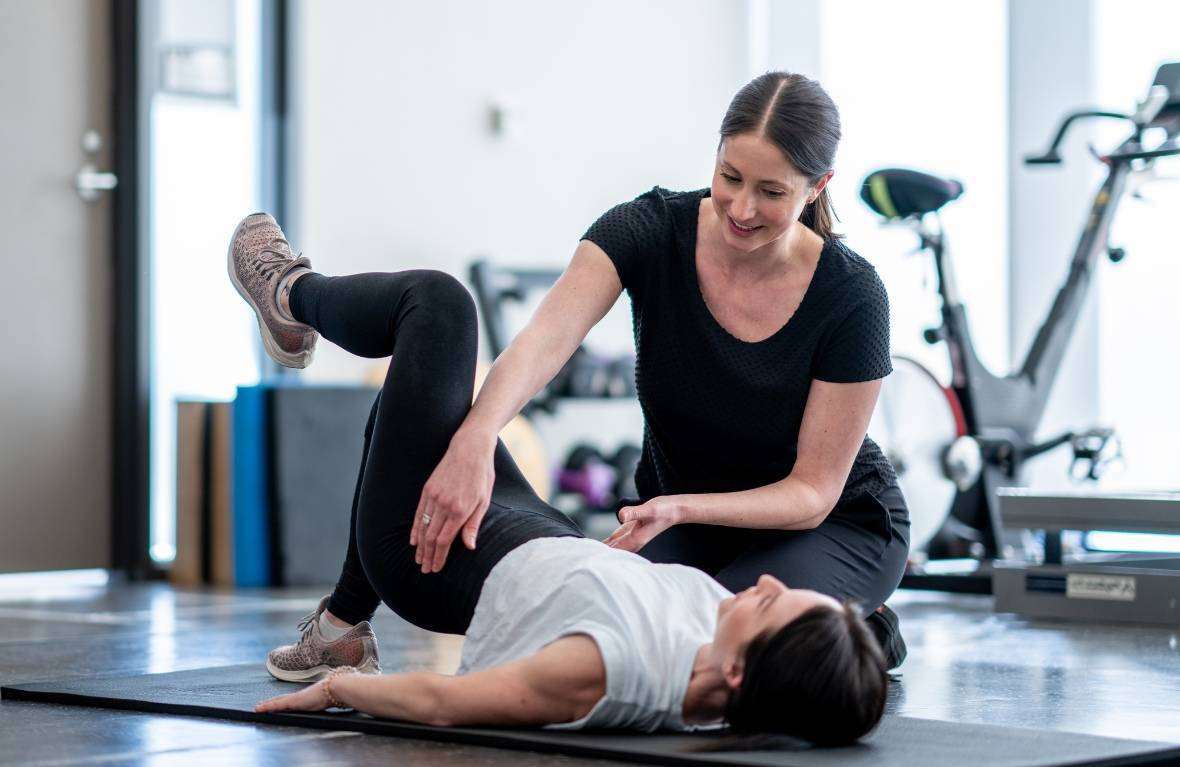
For many women, menstrual cycles bring more than just a monthly routinethey come with a range of uncomfortable symptoms such as cramps, bloating, mood swings, and fatigue. These hormonal discomforts can significantly affect daily life and overall wellbeing. While pain medications and lifestyle changes are common ways to manage symptoms, physiotherapy offers an effective, natural approach to relieve menstrual discomfort and support hormonal health.
At YourFormsUX, we specialize in physiotherapy solutions designed to ease menstrual-related symptoms by targeting the bodys musculoskeletal and nervous systems, creating relief and balance.
Understanding Menstrual Discomfort and Hormones
Menstrual symptoms are primarily driven by fluctuations in hormones like estrogen and progesterone. These hormonal shifts cause uterine contractions, inflammation, and changes in the nervous system, which can result in pain and other physical symptoms.
Physiotherapy addresses these symptoms by reducing muscle tension, improving blood flow, and calming the nervous system, helping to ease the intensity and frequency of menstrual discomfort.
Physiotherapy Techniques That Relieve Menstrual Symptoms
1. Pelvic Floor Therapy
The pelvic floor muscles support the uterus and other reproductive organs. Tight or weak pelvic floor muscles can worsen cramps and pelvic pain. Physiotherapists use targeted exercises and manual therapy to balance these muscles, relieving pressure and discomfort.
2. Myofascial Release and Soft Tissue Mobilization
These hands-on techniques release tension in muscles and connective tissue around the pelvis and lower back, reducing pain and improving mobility during menstruation.
3. Postural Correction
Poor posture can increase strain on the lower back and pelvis, intensifying menstrual pain. Physiotherapy helps improve posture through exercises and ergonomic advice, which can reduce discomfort during your cycle.
4. Breathing and Relaxation Techniques
Stress and tension exacerbate menstrual symptoms. Physiotherapists teach breathing exercises and relaxation methods to reduce muscle tightness and calm the nervous system, helping to ease cramps and emotional symptoms.
5. Gentle Movement and Stretching
Customized gentle exercises increase circulation and reduce stiffness without adding stress, helping you feel better throughout your period.
Why Physiotherapy Is a Valuable Part of Menstrual Care
Unlike medication that may only mask symptoms, physiotherapy addresses the underlying physical contributors to menstrual discomfort. It empowers you with tools and techniques to manage symptoms proactively, improving not only your menstrual experience but also your long-term pelvic and hormonal health.
Regular physiotherapy can reduce the severity of symptoms over time, making menstrual cycles more manageable and less disruptive.
How to Incorporate Physiotherapy Into Your Menstrual Health Routine
Schedule physiotherapy sessions focusing on pelvic health and pain relief, especially in the days leading up to and during your period.
Practice prescribed exercises and relaxation techniques at home to maintain muscle balance and reduce stress.
Track your symptoms and share progress with your physiotherapist to fine-tune your care plan.
Combine physiotherapy with other healthy habits such as balanced nutrition, hydration, and adequate sleep for best results.
Menstrual discomfort doesnt have to control your life. Physiotherapy offers a natural, effective way to relieve symptoms and support hormonal balance throughout your cycle. At YourFormsUX, were committed to helping you find relief and feel your best every day of the month.