How Physiotherapy Helps Relieve Hormonal Stress and Anxiety explores targeted strategies for recovery. Discover new paths to mobility, healing, and personalized care.

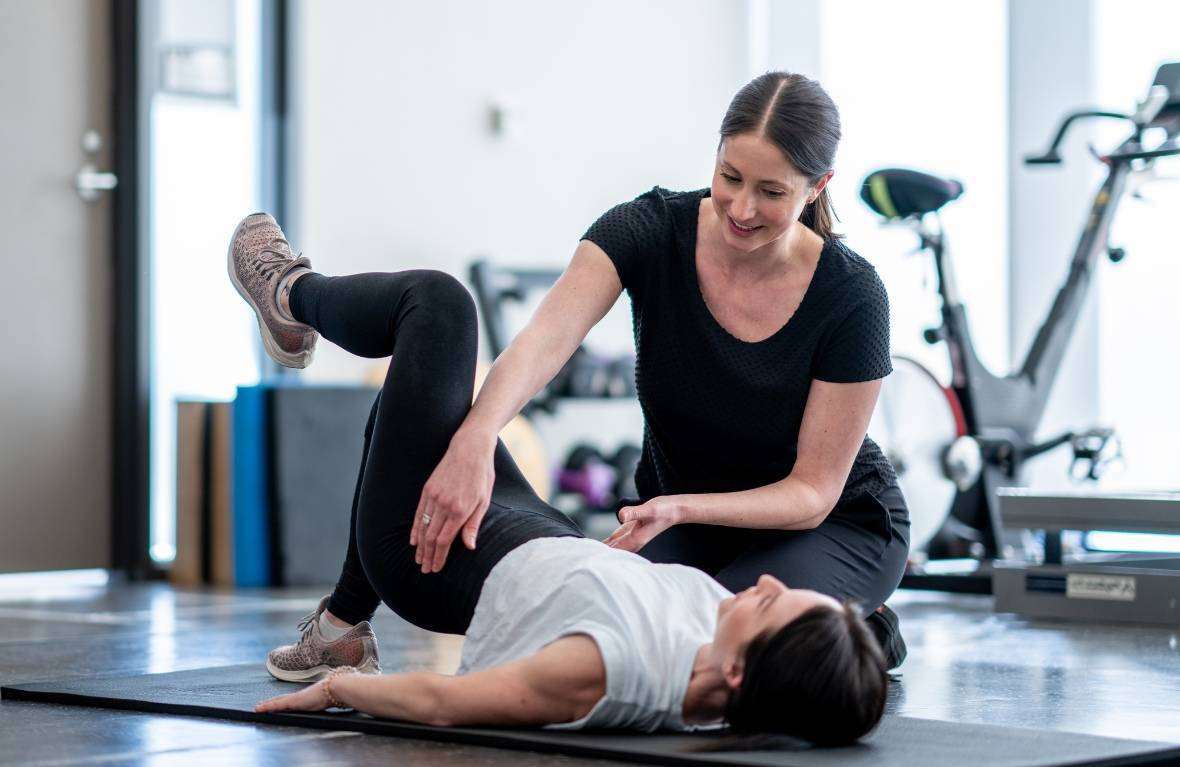
Stress and anxiety are common experiences, but when linked to hormonal imbalances, they can become overwhelming and affect every aspect of life. Hormones like cortisol, estrogen, and progesterone play critical roles in regulating mood and stress responses. When these hormones are out of balance, feelings of anxiety and emotional instability can intensify. Physiotherapy offers effective, natural tools to manage hormonal stress and anxiety by addressing both the physical and mental components involved.
The Connection Between Hormones and Stress
Cortisol, often called the “stress hormone,” is released during stressful situations. Chronic stress causes cortisol levels to remain elevated, disrupting other hormonal systems such as estrogen and progesterone, especially in women. This hormonal imbalance can trigger anxiety, mood swings, irritability, and even physical symptoms like muscle tension and headaches.
How Physiotherapy Supports Stress and Anxiety Relief
Physiotherapy targets the physical manifestations of stress and helps restore balance by incorporating several key strategies:
1. Relaxation and Breathing Techniques
Controlled breathing exercises, taught by physiotherapists, help activate the parasympathetic nervous system, which calms the body and lowers cortisol levels. Techniques like diaphragmatic breathing can reduce anxiety and promote mental clarity.
2. Manual Therapy to Release Muscle Tension
Stress often causes muscle tightness, especially in the neck, shoulders, and back. Manual therapy, including massage and myofascial release, alleviates this tension, reducing discomfort and improving circulation.
3. Exercise Prescription to Boost Mood
Physical activity increases the release of endorphins, which act as natural mood enhancers. Physiotherapists design exercise routines tailored to your hormonal cycle and stress levels to improve both physical fitness and emotional wellbeing.
4. Postural Correction and Movement Education
Poor posture from stress-induced habits can worsen muscle pain and tension. Physiotherapists assess posture and provide corrective exercises that improve body alignment and reduce physical strain.
5. Mind-Body Integration
Physiotherapy often incorporates mindfulness and relaxation strategies that help patients reconnect with their bodies, reduce anxiety, and foster resilience against stress.
Benefits of Physiotherapy for Hormonal Stress Management
Lowers cortisol and balances other hormones naturally
Reduces physical symptoms such as headaches, muscle tension, and fatigue
Improves sleep quality, which is often disrupted by stress
Enhances overall mood and emotional stability
Why YourFormsUX Is the Right Choice for Hormonal Stress Support
At YourFormsUX in Canada, our physiotherapists understand the complex interplay between hormones and mental health. We provide individualized care plans that combine physical therapies with stress-reducing techniques to help you regain balance and improve quality of life.
Final Thoughts
Hormonal stress and anxiety can feel overwhelming, but they dont have to control your life. Through targeted physiotherapy interventions, you can relieve physical tension, regulate hormones, and restore emotional wellbeing naturally. Embrace a holistic approach to managing stress and discover the power of physiotherapy for hormonal health.
Ready to take charge of your stress and anxiety? Contact YourFormsUX today to schedule a consultation and start your path to hormonal harmony.