How Physiotherapy Helps Relieve Tension in the Spine and Core explores targeted strategies for recovery. Discover new paths to mobility, healing, and personalized care.

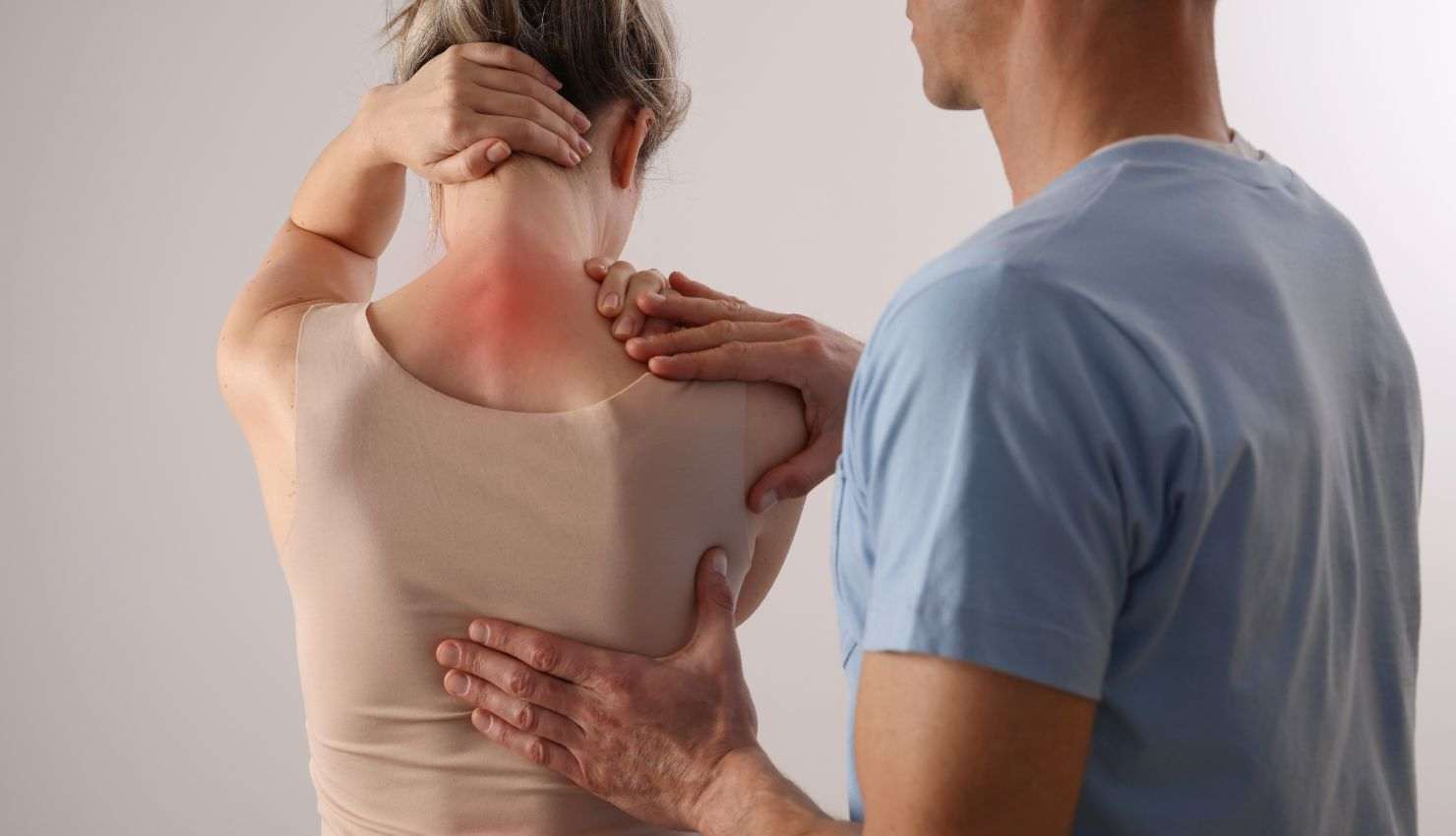
Tension and tightness in the spine and core muscles can cause discomfort, restrict movement, and contribute to chronic pain conditions. Many individuals experience these symptoms due to poor posture, stress, injury, or prolonged inactivity. Fortunately, physiotherapy offers effective methods to relieve this tension, restore flexibility, and promote lasting spinal health.
At YourFormsUX, we recognize the importance of easing spinal tension for overall well-being. In this blog, well explore how physiotherapy helps relieve tension in the spine and core, the techniques involved, and why addressing this issue is essential for pain management and mobility.
Why Tension Develops in the Spine and Core
Muscle tension in the spine and core often develops as a protective response to pain, injury, or poor posture. When certain muscles become tight, they can pull unevenly on the spine, leading to discomfort and restricted movement.
Factors contributing to spinal and core tension include:
Sedentary lifestyle or prolonged sitting
Stress and anxiety
Poor ergonomic setups at work or home
Muscle imbalances due to injury or repetitive strain
Inadequate stretching or warm-up before physical activity
The Role of Physiotherapy in Relieving Tension
Physiotherapy addresses tension through a combination of manual techniques, targeted exercises, and education designed to restore muscle balance and improve spinal mechanics.
Key benefits include:
Reducing Muscle Tightness: Manual therapy and stretching relieve tight muscles and fascia around the spine and core.
Improving Blood Flow: Techniques that increase circulation help speed tissue healing and reduce stiffness.
Enhancing Muscle Coordination: Physiotherapy retrains muscles to work together efficiently, reducing compensatory tension.
Promoting Relaxation: Breathing exercises and relaxation techniques ease stress-related muscle tightness.
Restoring Mobility: Improved flexibility allows for freer spinal movement and less discomfort.
Common Physiotherapy Techniques for Tension Relief
Manual Therapy and Soft Tissue Mobilization
Hands-on manipulation helps loosen tight muscles, break down adhesions, and increase joint mobility.
Stretching and Range of Motion Exercises
Guided stretches improve flexibility in the spine and core muscles, reducing stiffness.
Core Strengthening and Stability Exercises
Strengthening weak muscles supports the spine, reducing the need for compensatory tightness.
Postural Correction and Ergonomic Advice
Improving posture decreases abnormal stress and tension buildup.
Breathing and Relaxation Training
Diaphragmatic breathing reduces core muscle tension and promotes overall relaxation.
Heat Therapy and Modalities
Application of heat, ultrasound, or electrical stimulation enhances muscle relaxation.
Tips for Maintaining Reduced Tension After Physiotherapy
Maintain an active lifestyle with regular movement breaks if you sit for long periods.
Practice daily stretching routines focused on spinal and core muscles.
Use ergonomic supports at work and home.
Incorporate stress management techniques like mindfulness or yoga.
Follow your physiotherapists exercise recommendations consistently.
The YourFormsUX Commitment
YourFormsUX is dedicated to helping Canadians access knowledge that promotes better health and wellness. Understanding how physiotherapy can relieve spinal and core tension empowers you to seek effective treatment and take proactive steps toward comfort and mobility.
Conclusion
Tension in the spine and core muscles can significantly impact your daily life, but physiotherapy offers powerful solutions to alleviate this tightness and restore function. Through manual therapy, exercise, and education, physiotherapy helps relieve pain, improve mobility, and promote lasting spinal health.
If youre experiencing discomfort or stiffness in your back or core, consulting a physiotherapist could be the key to finding relief and enhancing your quality of life.