How Physiotherapy Helps Teens Manage Stress and Tension explores targeted strategies for recovery. Discover new paths to mobility, healing, and personalized care.

Stress and tension are common experiences for teenagers today. With academic pressure, social dynamics, and extracurricular commitments, many teens face challenges that can affect both their mental and physical well-being. What many dont realize is that physiotherapy can play a significant role in helping teens manage stress and tension effectively.
Physiotherapy is often thought of in the context of injury recovery or mobility improvement, but its benefits extend well into mental health and stress management. For teens, whose bodies and minds are rapidly developing, physiotherapy offers a holistic approach to alleviating physical symptoms of stress while promoting relaxation and healthy body awareness.
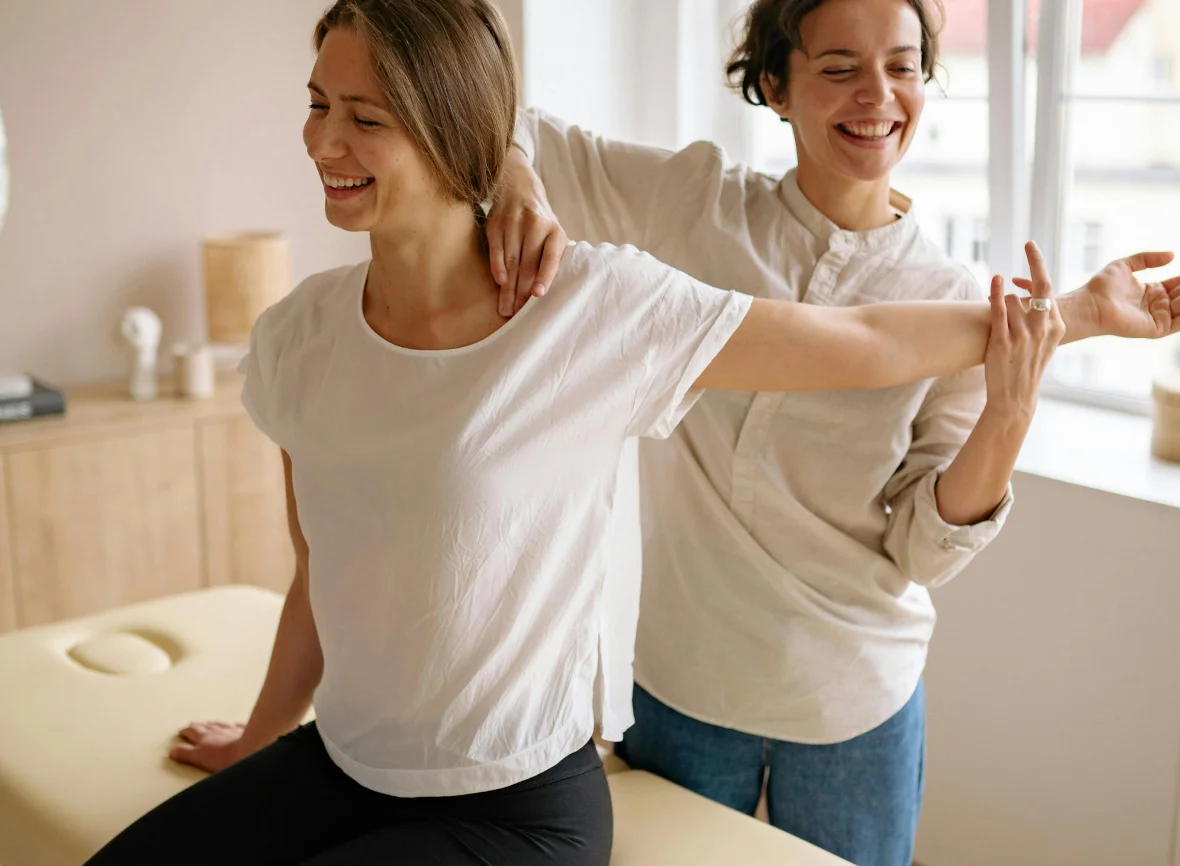
One of the primary ways physiotherapy helps teens manage stress is through targeted exercises that release muscle tension. Stress often manifests physically as tightness in the neck, shoulders, and back, leading to headaches and discomfort. A physiotherapist can identify these tension points and create personalized exercise routines that stretch and strengthen muscles, helping to relieve pain and prevent chronic issues. These exercises can be simple yet effective, such as gentle neck stretches, shoulder rolls, and back extensions, which teens can incorporate into their daily routine.
Another vital aspect is teaching proper breathing techniques. Physiotherapists often use diaphragmatic breathing and other controlled breathing exercises to help teens regulate their nervous system. Deep breathing activates the parasympathetic nervous system, which counters the bodys stress response by lowering heart rate and reducing muscle tension. When teens learn to use these breathing techniques, they gain a powerful tool for calming their minds during stressful situations.
Physiotherapy sessions can also include relaxation therapies like progressive muscle relaxation and guided imagery, which help teens become more aware of physical sensations associated with stress and how to release them. By developing body awareness, teens can recognize early signs of tension and take proactive steps to relax, improving their overall stress resilience.
Posture is another key factor linking physiotherapy and stress management. Poor posture, common in teens who spend hours on smartphones or computers, can exacerbate muscle strain and contribute to feelings of fatigue and discomfort. Physiotherapists assess and correct posture through exercises that strengthen the core and back muscles, promoting better alignment and reducing physical stress on the body. Improving posture not only reduces pain but also boosts confidence and energy levels, which positively impacts mental health.
In addition to physical benefits, physiotherapy fosters a supportive environment where teens can discuss their stress and challenges. This therapeutic relationship helps teens feel understood and motivated to engage in self-care practices. Encouraging teens to participate actively in their physiotherapy promotes a sense of control and empowerment, crucial for managing stress.
For teens involved in sports or high-intensity activities, physiotherapy also plays a preventive role. Stress often leads to overuse injuries or muscle imbalances, which can be addressed early through physiotherapy. Educating teens about proper warm-ups, cool-downs, and body mechanics helps reduce injury risk and keeps them active and healthy, further mitigating stress.
In summary, physiotherapy offers a multi-faceted approach to managing stress and tension in teenagers. Through muscle relaxation techniques, breathing exercises, posture correction, and a supportive therapeutic relationship, physiotherapy helps teens develop physical and mental tools to cope with lifes pressures. If youre a parent or caregiver concerned about your teens stress levels, consulting a physiotherapist could be a valuable step toward promoting their overall well-being.