How Physiotherapy Helps with Chronic Dance Injuries explores targeted strategies for recovery. Discover new paths to mobility, healing, and personalized care.

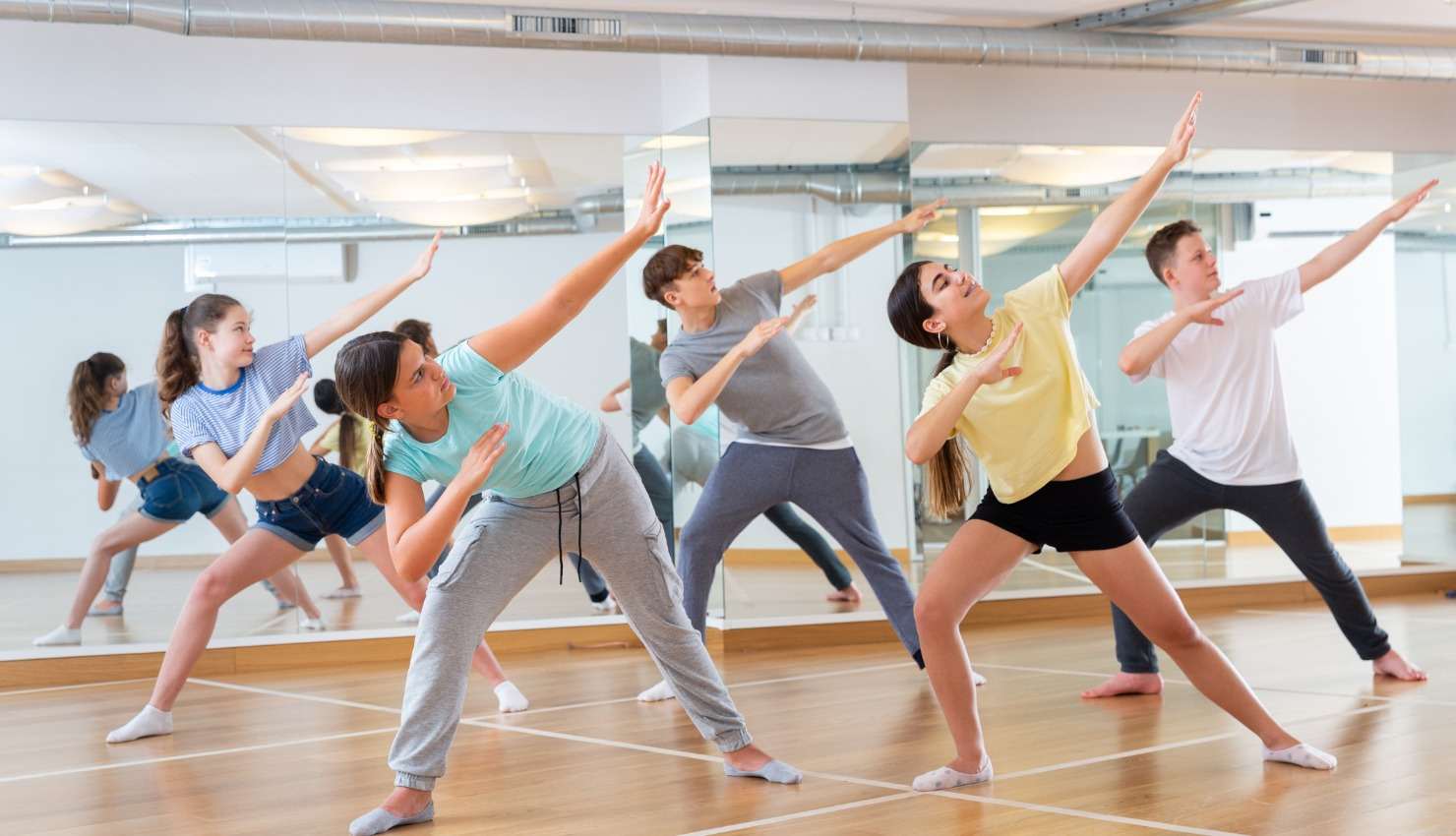
Dance is a demanding physical activity that requires precision, strength, and flexibility. Unfortunately, the repetitive movements and intense training can sometimes lead to chronic injuries that affect a dancers ability to perform and enjoy their art. Chronic dance injuries often involve muscles, tendons, ligaments, and joints, causing persistent pain and limited mobility. Physiotherapy is a powerful tool in managing these injuries, promoting healing, and helping dancers return to optimal function. This blog explores how physiotherapy supports dancers dealing with chronic injuries and the strategies involved in long-term injury management.
Understanding Chronic Dance Injuries
Unlike acute injuries, which happen suddenly, chronic injuries develop over time due to repetitive strain, improper technique, or inadequate recovery. Common chronic dance injuries include tendonitis, stress fractures, bursitis, and muscle imbalances. These injuries can lead to ongoing discomfort, inflammation, and restricted movement, making it challenging to maintain rigorous dance schedules.
The Role of Physiotherapy in Managing Chronic Dance Injuries
Physiotherapy offers a holistic and individualized approach to treating chronic injuries by focusing on pain relief, restoring function, and preventing further damage. Heres how physiotherapy helps:
Comprehensive Assessment: A physiotherapist evaluates the dancers injury history, movement patterns, muscle strength, flexibility, and posture to identify underlying causes of the chronic injury.
Pain Management Techniques: To reduce pain and inflammation, physiotherapists use manual therapy, soft tissue massage, ice or heat applications, and electrotherapy modalities like ultrasound or TENS (transcutaneous electrical nerve stimulation).
Targeted Exercise Programs: Customized exercises aim to strengthen weak muscles, correct imbalances, and improve joint stability, which are often contributing factors to chronic injuries.
Movement Retraining: Physiotherapists help dancers modify their technique and movement patterns to reduce stress on injured tissues and improve overall biomechanics.
Addressing Muscle Imbalances and Overuse
Chronic injuries frequently result from muscle imbalances where certain muscles become overused and tight, while others weaken. For example, a dancer may have strong quadriceps but weak hamstrings, leading to knee issues. Physiotherapy addresses these imbalances through:
Strengthening Weaker Muscles: Focused exercises target underused muscles to restore balance and improve joint support.
Stretching Tight Muscles: Gentle stretching and myofascial release relieve tightness and enhance flexibility.
Postural Correction: Improving alignment reduces unnecessary strain and optimizes movement efficiency.
Promoting Tissue Healing and Recovery
Chronic injuries often involve ongoing inflammation or degeneration of tissues. Physiotherapy techniques support the healing process by:
Increasing Blood Flow: Manual therapies and specific exercises promote circulation, delivering nutrients needed for tissue repair.
Reducing Inflammation: Electrotherapy and appropriate rest periods help control chronic inflammation.
Encouraging Tissue Remodeling: Progressive loading exercises stimulate healthy tissue adaptation, strengthening tendons and muscles.
Preventing Recurrence of Injuries
One of the most important roles of physiotherapy in chronic injury management is prevention. Physiotherapists educate dancers on:
Proper Warm-Up and Cool-Down Routines: These reduce the risk of muscle strain and aid recovery.
Body Awareness: Developing a better sense of movement helps dancers avoid harmful patterns.
Balanced Training: Incorporating cross-training and rest days prevents overuse.
Ergonomic Adjustments: Modifying dance techniques or footwear to reduce stress on vulnerable areas.
Psychological Support and Motivation
Chronic injuries can be frustrating and emotionally taxing for dancers who want to perform but face ongoing pain. Physiotherapists often provide encouragement, goal-setting, and coping strategies, helping dancers stay motivated throughout their recovery journey.
When to Seek Physiotherapy for Chronic Dance Injuries
If you experience persistent pain, stiffness, or limited movement that does not improve with rest, consulting a physiotherapist early can prevent worsening of the injury. Early intervention is key to managing symptoms and returning to dance safely.
Conclusion
Chronic dance injuries are common but manageable with the right approach. Physiotherapy provides effective treatment strategies to reduce pain, restore function, and prevent future injuries. Through assessment, targeted exercises, movement retraining, and education, physiotherapy empowers dancers to overcome chronic injuries and continue performing at their best.
If you are struggling with a chronic dance injury, consider seeking physiotherapy care to receive personalized treatment tailored to your unique needs. With professional support, you can heal effectively and keep dancing with strength and confidence.