Chronic pain from musculoskeletal conditions, such as osteoarthritis, fibromyalgia, chronic back pain, tendinitis, and more, can significantly impact a persons daily life. The pain, stiffness, and limited mobility associated with these conditions often make even simple tasks challenging.

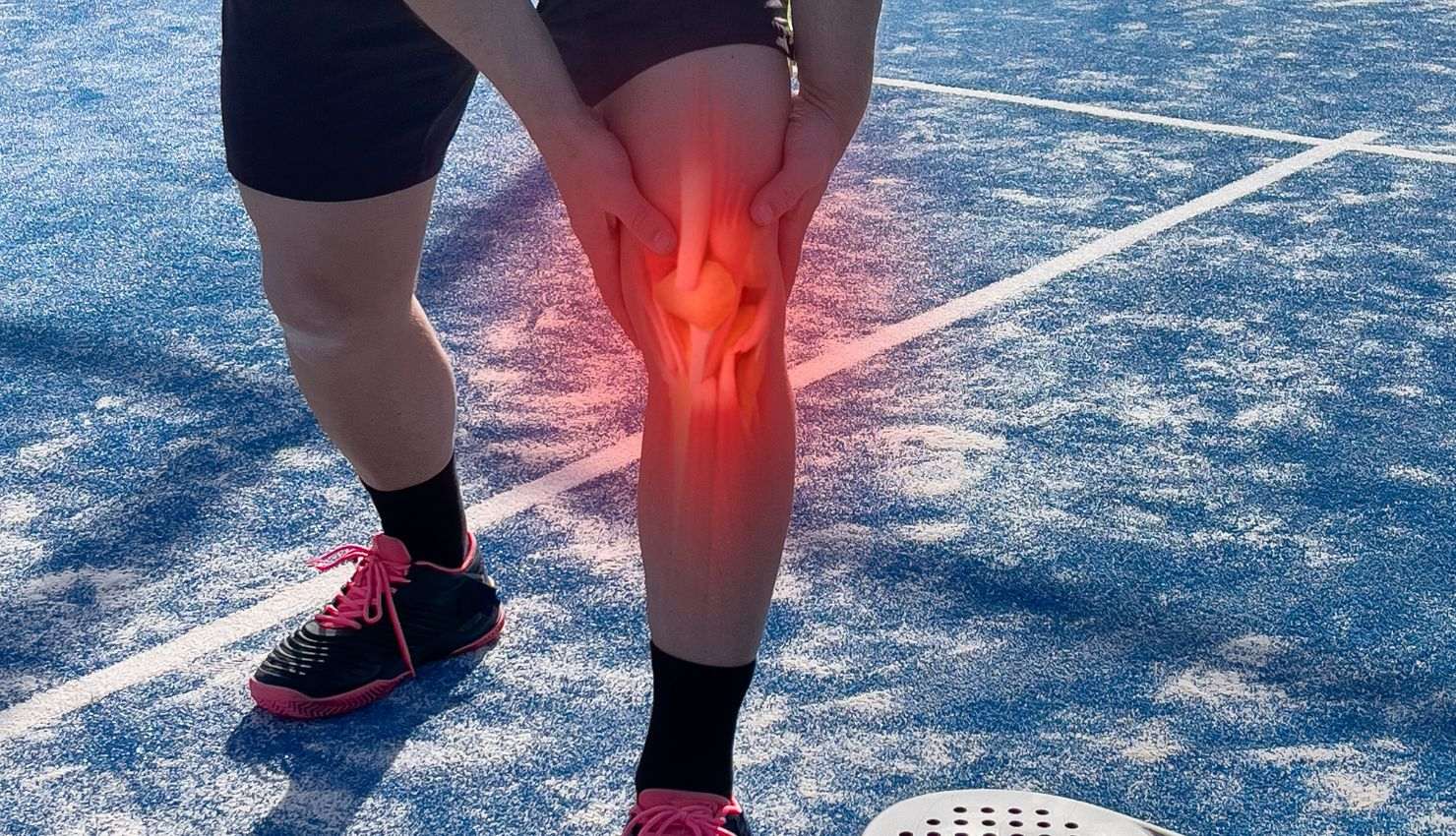
Chronic pain from musculoskeletal conditions, such as osteoarthritis, fibromyalgia, chronic back pain, tendinitis, and more, can significantly impact a persons daily life. The pain, stiffness, and limited mobility associated with these conditions often make even simple tasks challenging. While medications can offer temporary relief, physiotherapy provides a more sustainable, holistic approach by addressing the underlying causes of pain and helping individuals manage symptoms effectively.
Heres how physiotherapy plays a vital role in managing chronic pain from musculoskeletal conditions:
### **1. Pain Reduction and Inflammation Control**
The first priority in managing chronic musculoskeletal pain is reducing discomfort and inflammation. Physiotherapists employ various techniques to control pain and promote healing, allowing individuals to begin rehabilitation without being overwhelmed by pain.
#### **How Physiotherapy Helps with Pain Relief:**
* **Ice and Heat Therapy**: Cold therapy (cryotherapy) can help reduce inflammation and numb the affected area, especially during acute flare-ups. Heat therapy, on the other hand, can relax tight muscles, improve blood circulation, and reduce stiffness, making it particularly useful for chronic pain or after exercise.
* **Transcutaneous Electrical Nerve Stimulation (TENS)**: TENS uses low-voltage electrical currents to stimulate nerves and block pain signals. This technique can provide relief from chronic pain by encouraging the release of endorphins (natural painkillers).
* **Ultrasound Therapy**: Ultrasound therapy uses sound waves to penetrate deep into tissues, enhancing blood flow and reducing inflammation, which promotes healing in affected muscles and joints.
* **Manual Therapy**: Physiotherapists use hands-on techniques like soft tissue mobilization, joint mobilization, and myofascial release to release muscle tightness, improve circulation, and restore mobility.
By using these pain-management techniques, physiotherapists help patients gain temporary relief, allowing them to participate in the rehabilitation process more effectively.
—
### **2. Restoring Range of Motion (ROM)**
Chronic pain from musculoskeletal conditions often results in stiffness and a restricted range of motion (ROM). This limitation in movement can cause difficulty with everyday activities, such as bending, walking, or lifting. Physiotherapists use specific techniques to restore ROM and improve flexibility, which reduces pain and helps prevent further injury.
#### **How Physiotherapy Restores ROM:**
* **Stretching and Mobilization Exercises**: Physiotherapists design customized stretching and mobilization routines to gently increase the range of motion in affected joints and muscles. For example, stretching the hip flexors or hamstrings can alleviate pain and improve the mobility of the lower back or knees.
* **Passive and Active ROM Exercises**: Initially, passive ROM exercises (where the physiotherapist moves the joint for the patient) are used to restore movement safely. As the condition improves, active ROM exercises (where the patient moves the joint independently) are introduced to further improve flexibility and mobility.
* **Joint Mobilization**: For patients with joint stiffness, physiotherapists use gentle techniques to improve the mobility of the joints, reducing pain and increasing movement in affected areas.
Restoring ROM through physiotherapy helps individuals move more freely, decreasing discomfort caused by stiffness and improving the ability to perform daily activities.
—
### **3. Strengthening Muscles for Joint Support**
Weak muscles are a common contributor to chronic pain in musculoskeletal conditions. Muscles that are underactive or weak are less capable of supporting joints, which leads to strain and discomfort. Strengthening exercises help improve muscle function, stabilize the joints, and reduce pain.
#### **How Strengthening Exercises Help with Pain:**
* **Targeting Key Muscle Groups**: Physiotherapists focus on strengthening the muscles surrounding the affected joint or area. For example, strengthening the quadriceps muscles can help alleviate knee pain from osteoarthritis, while core strengthening exercises can reduce lower back pain by providing better support for the spine.
* **Balanced Muscle Activation**: Chronic pain can result in muscle imbalances, where some muscles become overactive and others weak. Physiotherapists address these imbalances by targeting weak muscles and encouraging balanced muscle activation, which reduces strain and prevents pain.
* **Gradual Progression**: Physiotherapists guide patients through progressive resistance training, gradually increasing the intensity of exercises to avoid overloading muscles or joints. This approach ensures a safe and effective rehabilitation process.
Strengthening muscles around painful joints and areas reduces the load on the affected areas, helping alleviate pain and prevent re-injury.
—
### **4. Postural Training and Body Mechanics**
Poor posture and improper body mechanics often exacerbate pain, particularly in the neck, shoulders, lower back, and knees. Physiotherapists teach patients how to maintain proper alignment and avoid postures or movements that could increase strain on the musculoskeletal system.
#### **How Posture and Body Mechanics Impact Pain:**
* **Postural Education**: Physiotherapists assess a persons posture during daily activities, such as sitting, standing, or walking, and provide guidance on maintaining neutral spine alignment and reducing unnecessary strain on muscles and joints.
* **Ergonomic Adjustments**: For individuals who spend long periods at a desk or work in jobs that require repetitive motions, physiotherapists can recommend ergonomic changes to improve posture and reduce pain. For example, adjusting chair height, desk position, or computer screen height can reduce neck and back strain.
* **Proper Lifting Techniques**: Physiotherapists teach patients how to lift objects with proper body mechanics, avoiding excessive bending and using the legs to perform the lift. This prevents unnecessary strain on the back and other joints.
Correcting posture and body mechanics helps reduce the strain on the musculoskeletal system, preventing the recurrence of pain and promoting long-term comfort.
—
### **5. Improving Flexibility and Mobility**
Flexibility is crucial for maintaining joint health and reducing pain, particularly in the muscles and tendons. Tight muscles and joints are more likely to become injured or overused, leading to pain. Physiotherapists integrate flexibility exercises into their treatment plans to improve overall mobility, reduce stiffness, and alleviate discomfort.
#### **How Flexibility Reduces Pain:**
* **Stretching for Muscle Lengthening**: Stretching exercises help elongate tight muscles and fascia (connective tissue), which improves flexibility and reduces muscle tension that contributes to pain.
* **Joint Mobilization and Stretching**: Physiotherapists use joint mobilization and stretching to improve the mobility of stiff joints, such as the spine or knees. This increases range of motion and reduces pain caused by joint restrictions.
* **Targeted Flexibility Exercises**: For specific conditions like arthritis or tendinitis, physiotherapists recommend targeted stretching routines to relieve tightness in the affected areas, reducing pain and improving joint function.
Improving flexibility and joint mobility reduces stiffness, improves movement, and provides relief from pain caused by muscle or joint restrictions.
—
### **6. Psychological Support and Motivation**
Chronic pain can have a significant psychological impact, leading to feelings of frustration, anxiety, and depression. Physiotherapists provide emotional support and motivation, helping patients stay engaged in their rehabilitation journey and reducing the psychological burden of pain.
#### **How Physiotherapy Helps with Mental Health:**
* **Setting Realistic Goals**: Physiotherapists work with patients to set achievable, incremental goals for recovery, which helps patients stay motivated and encouraged as they make progress.
* **Pain Coping Strategies**: Physiotherapists teach patients coping techniques such as deep breathing, relaxation exercises, and mindfulness to manage the emotional and psychological effects of chronic pain.
* **Building Confidence**: As patients experience improvements in strength, mobility, and pain reduction, their confidence increases, helping them remain positive throughout their rehabilitation process.
By addressing the emotional and psychological aspects of chronic pain, physiotherapists help patients develop the resilience needed to cope with their condition and improve their quality of life.
—
### **7. Long-Term Self-Management and Prevention**
One of the key goals of physiotherapy for musculoskeletal conditions is teaching patients how to manage their pain long-term and prevent future flare-ups. Physiotherapists equip patients with tools and strategies that they can continue using at home to maintain progress and avoid injury.
#### **How Physiotherapy Teaches Self-Management:**
* **Home Exercise Programs**: Physiotherapists provide tailored exercise programs to be performed at home, helping patients maintain strength, flexibility, and mobility between sessions. These exercises help reduce pain, prevent muscle imbalances, and improve overall function.
* **Lifestyle and Activity Modifications**: Physiotherapists offer advice on how to incorporate physical activity into daily routines, encourage healthy lifestyle choices, and recommend modifications to prevent future injuries or flare-ups.
* **Body Mechanics Training**: Physiotherapists continue to educate patients on how to perform daily tasks (e.g., lifting, bending, walking) in ways that protect the joints and muscles from strain, helping to reduce the risk of pain recurrence.
By teaching patients how to manage their condition independently, physiotherapy empowers individuals to take control of their health and prevent future pain episodes.
—
### **Conclusion**
Physiotherapy plays a crucial role in managing and alleviating chronic pain caused by musculoskeletal conditions. Through a combination of pain management techniques, strengthening exercises, flexibility training, posture correction, and education, physiotherapists help reduce pain, improve mobility, and promote long-term healing. Whether youre dealing with arthritis, chronic back pain, or a specific musculoskeletal injury, physiotherapy offers a holistic, non-invasive approach to pain relief and recovery. If youre experiencing chronic pain, consulting with a physiotherapist can be an essential step in regaining control of your health and improving your quality of life.