Elbow and forearm pain can stem from various causes, including overuse, injury, arthritis, and repetitive strain. Conditions like tennis elbow (lateral epicondylitis), golfers elbow (medial epicondylitis), tendinitis, fractures, or nerve compression can all result in pain and discomfort in these areas.

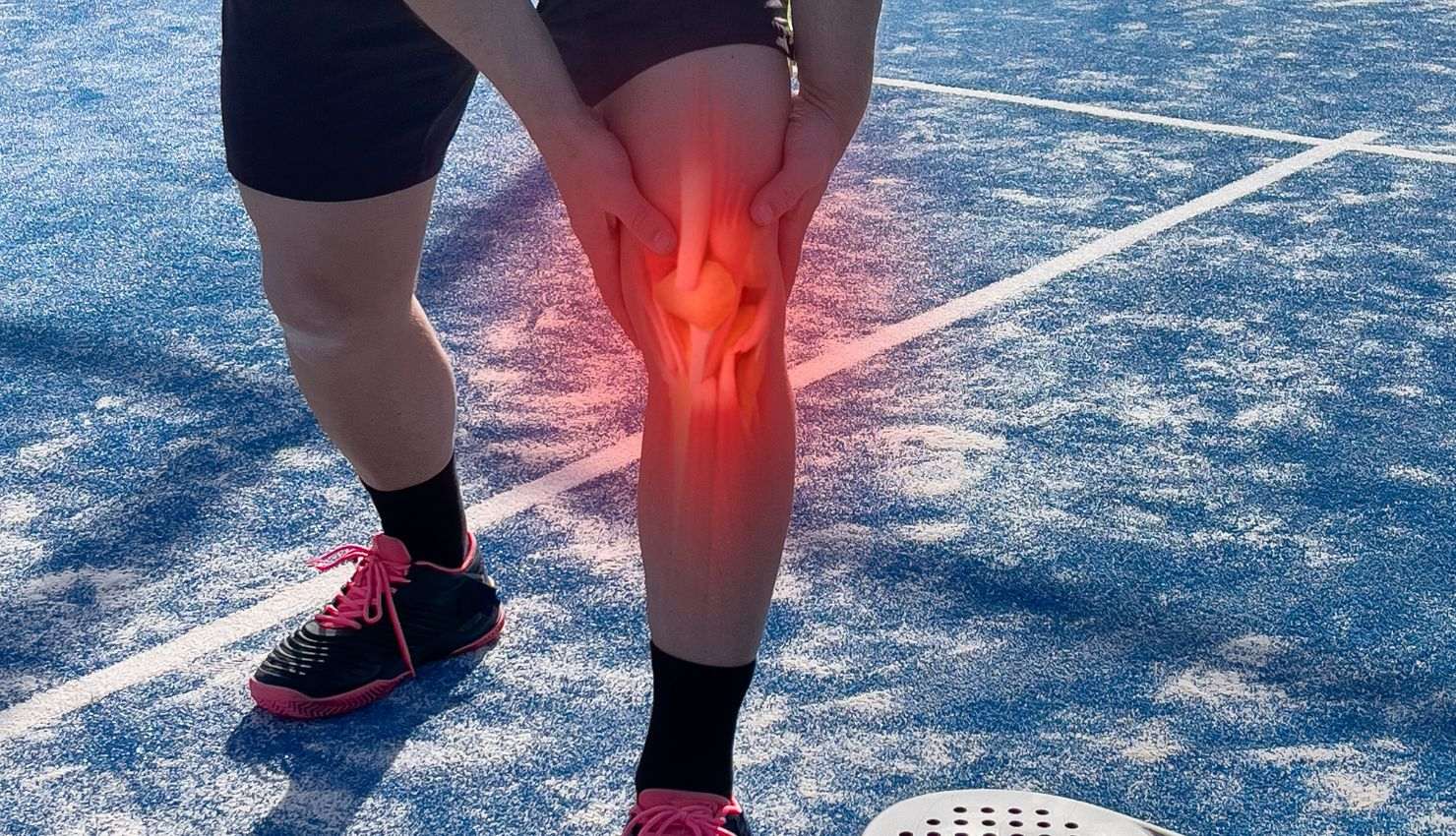
Elbow and forearm pain can stem from various causes, including overuse, injury, arthritis, and repetitive strain. Conditions like tennis elbow (lateral epicondylitis), golfers elbow (medial epicondylitis), tendinitis, fractures, or nerve compression can all result in pain and discomfort in these areas. Regardless of the cause, physiotherapy plays a crucial role in managing and alleviating elbow and forearm pain by targeting the root causes of the discomfort, improving function, and preventing further injury.
Heres how physiotherapy helps manage elbow and forearm pain:
### **1. Comprehensive Assessment and Diagnosis**
The first step in managing elbow and forearm pain with physiotherapy is a thorough assessment. Physiotherapists carefully evaluate your symptoms, medical history, movement patterns, and posture to identify the underlying cause of the pain and develop an individualized treatment plan.
#### **What Happens During the Assessment:**
* **Medical History Review**: The physiotherapist asks about the onset of pain, activities that aggravate or alleviate the pain, and any previous injuries or conditions.
* **Physical Examination**: The physiotherapist assesses the range of motion (ROM), strength, and flexibility of the elbow, forearm, and surrounding muscles. They may also check for nerve involvement or signs of inflammation.
* **Movement and Function Analysis**: The therapist observes how you use your arm in everyday activities (e.g., lifting, reaching, grasping) to identify any movement patterns that may be contributing to the pain.
Once the physiotherapist has gathered this information, they can tailor the treatment to address your specific condition and needs.
—
### **2. Pain Relief and Inflammation Control**
Physiotherapy helps control pain and reduce inflammation, especially in the early stages of an injury or flare-up. Various techniques are used to provide immediate relief and promote healing.
#### **How Physiotherapy Helps with Pain Relief and Inflammation:**
* **Cold Therapy (Cryotherapy)**: Ice is often used in the acute phase to reduce inflammation and numb the area. Cold therapy is effective for conditions like tendinitis, bursitis, or acute strains and sprains.
* **Heat Therapy**: Heat is beneficial in the subacute or chronic stages to relax muscles, improve circulation, and alleviate stiffness. Heat therapy can be used for conditions like muscle tension or post-activity soreness.
* **TENS (Transcutaneous Electrical Nerve Stimulation)**: TENS uses electrical impulses to stimulate the nerves, blocking pain signals and encouraging the release of endorphins, the bodys natural painkillers.
* **Ultrasound Therapy**: Therapeutic ultrasound uses sound waves to promote deep tissue healing by increasing blood flow, reducing inflammation, and stimulating tissue repair.
* **Manual Therapy**: Physiotherapists use hands-on techniques such as joint mobilizations, soft tissue massage, or myofascial release to relieve tension in the muscles and reduce pain around the elbow and forearm.
By using these pain-relieving methods, physiotherapy helps manage discomfort and creates a more comfortable environment for rehabilitation.
—
### **3. Restoring Range of Motion (ROM)**
Elbow and forearm pain often leads to decreased flexibility and restricted range of motion (ROM). This limitation can affect your ability to perform everyday tasks, such as lifting, typing, or carrying objects. Physiotherapists use specific techniques to restore ROM and reduce stiffness.
#### **How Physiotherapy Restores ROM:**
* **Stretching**: Physiotherapists incorporate stretching exercises for the muscles and tendons around the elbow and forearm, which help improve flexibility and reduce muscle tightness.
* **Joint Mobilizations**: Gentle joint mobilizations may be used to improve the movement of the elbow joint and surrounding tissues, especially if theres stiffness or restricted movement due to conditions like arthritis or an old injury.
* **Active and Passive ROM Exercises**: These exercises help to gradually restore movement in the elbow and forearm. Passive ROM exercises are initially used (where the physiotherapist moves the joint), followed by active ROM exercises (where the patient actively moves the joint) to further enhance flexibility.
Restoring ROM helps reduce pain caused by stiffness and allows the elbow and forearm to move more freely, improving overall function.
—
### **4. Strengthening Exercises**
Weak muscles around the elbow and forearm can contribute to pain by placing undue stress on the joints and tendons. Physiotherapists focus on strengthening the muscles that support the elbow and forearm to stabilize these areas, reduce strain, and alleviate pain.
#### **How Strengthening Exercises Help with Elbow and Forearm Pain:**
* **Targeted Muscle Strengthening**: Physiotherapists create specific exercise programs to target muscles around the elbow, forearm, wrist, and hand. Strengthening these muscles provides better support to the joints and reduces strain, preventing further pain.
* **Eccentric Exercises**: Eccentric strengthening exercises (where the muscle lengthens while under tension) are commonly prescribed for conditions like tennis elbow and golfers elbow, as they help rehabilitate the tendons and promote healing.
* **Grip Strengthening**: For conditions that affect the forearm and hand, such as tennis elbow or repetitive strain injuries, grip-strengthening exercises are included to improve muscle endurance and reduce stress on the elbow joint.
* **Gradual Progression**: As strength improves, exercises are progressed in intensity to build up the muscles without overloading the joints and tendons.
Strengthening exercises help support the elbow and forearm joints, reduce pain, and prevent the recurrence of injury.
—
### **5. Postural and Movement Education**
Poor posture and improper movement mechanics can contribute to elbow and forearm pain. Physiotherapists teach proper techniques for activities such as lifting, typing, or engaging in sports to avoid straining the elbow and forearm.
#### **How Physiotherapy Improves Posture and Body Mechanics:**
* **Posture Training**: Physiotherapists evaluate your posture and provide corrective exercises to reduce strain on the elbow and forearm. Proper posture helps maintain neutral joint alignment, reducing the risk of overuse injuries and pain.
* **Ergonomic Advice**: If the pain is related to work or daily activities (such as typing or repetitive lifting), physiotherapists offer ergonomic advice to modify your workspace and optimize body positioning. They may suggest adjustments like wrist supports, chair modifications, or changes in hand positioning to reduce strain on the forearm and elbow.
* **Activity Modifications**: Physiotherapists advise on how to modify activities to prevent exacerbating pain. For example, they may recommend adjusting the intensity or frequency of certain exercises, such as in weightlifting or sports, to prevent overuse injuries.
Improving posture and movement mechanics helps reduce the strain on the elbow and forearm, preventing future pain and injuries.
—
### **6. Manual Therapy for Soft Tissue and Joint Pain**
Manual therapy is a key aspect of physiotherapy for treating elbow and forearm pain. These hands-on techniques help reduce muscle tension, improve joint mobility, and relieve pain.
#### **How Manual Therapy Helps Manage Elbow and Forearm Pain:**
* **Soft Tissue Mobilization**: Physiotherapists use massage techniques to release tight muscles and fascia (connective tissue), which can alleviate pain and restore normal movement in the forearm and elbow.
* **Joint Mobilization**: Gentle joint mobilizations help improve the movement and flexibility of the elbow joint, which can be beneficial for conditions like arthritis, joint stiffness, or overuse injuries.
* **Myofascial Release**: This technique targets trigger points (tight knots in muscles) and fascia to release tension, improve circulation, and reduce pain.
Manual therapy helps restore normal tissue function, reduce discomfort, and improve overall joint mobility in the elbow and forearm.
—
### **7. Education on Injury Prevention and Long-Term Management**
Preventing future injuries is a crucial part of physiotherapy. Physiotherapists educate patients on how to manage their condition in the long term and prevent flare-ups of elbow and forearm pain.
#### **Injury Prevention Strategies:**
* **Warm-Up and Cool-Down**: Physiotherapists emphasize the importance of warming up before exercise and cooling down afterward. Stretching and warming up the muscles before engaging in physical activity helps prevent injuries.
* **Avoiding Overuse**: Physiotherapists educate patients on the importance of taking regular breaks during repetitive activities, whether it’s typing, lifting, or playing sports, to avoid overloading the muscles and tendons.
* **Self-Care Techniques**: Physiotherapists provide advice on self-care strategies such as using ice or heat, performing home exercises, and modifying daily routines to reduce pain and prevent injury.
By teaching patients how to manage their condition and prevent future injuries, physiotherapy provides long-term pain relief and functional recovery.
—
### **Conclusion**
Physiotherapy is an effective, non-invasive approach to managing elbow and forearm pain. Through a combination of pain relief techniques, strengthening exercises, manual therapy, postural correction, and education, physiotherapy helps individuals regain function, reduce pain, and prevent future injuries. Whether dealing with conditions like tennis elbow, tendinitis, or nerve compression, physiotherapy offers a tailored treatment plan to address the root causes of pain and improve overall movement. If youre experiencing elbow or forearm pain, consulting with a physiotherapist can help you achieve relief, restore mobility, and return to your daily activities with confidence.