Discover the wide-ranging benefits of chiropractic care for pain relief, mobility, and whole-body wellness.

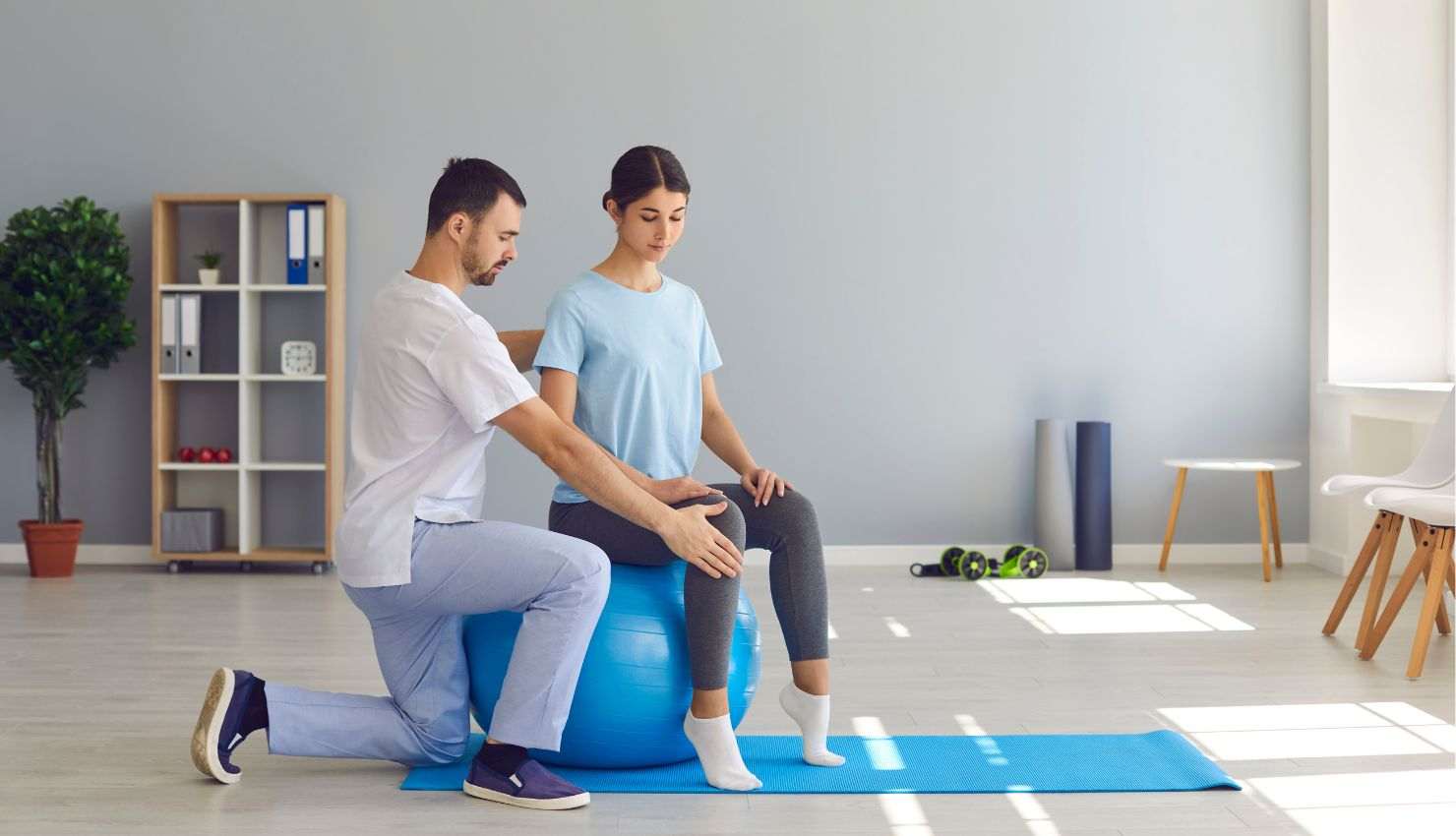
Lets be realwhen youre deep into a gaming session, posture is probably the last thing on your mind. One more match turns into five, and before you know it, your back is stiff, your neck is sore, and youre hunched over like a final boss villain.
Sound familiar? Youre not alone. Posture problems are one of the most common physical issues gamers face, and over time, they can seriously affect your comfort, focus, and overall gaming performance.
The good news? Physiotherapy can help fix those posture issues, retrain your body, and prevent pain from dragging you out of the game.
?? The Posture Problem in Gaming
Gaming often means sitting for long stretches, usually in the same positionand that position isnt always great for your spine. Some of the most common posture-related issues include:
Forward head posture (aka gamer neck)
Rounded shoulders
Slouched or collapsed spine
Tight hips and weak glutes
Compressed lower back
These posture patterns can lead to:
Neck, shoulder, and back pain
Headaches and fatigue
Reduced focus and slower reaction times
Long-term joint and muscle strain
The solution? Rebuild your posture and movement habits from the ground upand thats where physiotherapy shines.
??? How Physiotherapy Fixes Gaming-Related Posture Issues
Physiotherapists dont just treat injuriestheyre trained to identify movement imbalances, muscle weaknesses, and bad habits that can lead to chronic pain or discomfort. Heres how they help gamers:
1. Postural Assessment
Your physio will start by observing how you sit when you gamechair position, monitor height, keyboard/mouse/controller placement, and even how you hold your head. From there, theyll identify what needs correcting.
You might think youre sitting fine, but even subtle adjustments can make a massive difference.
2. Targeted Mobility & Stretching Work
Tight muscles are a huge part of bad posture. Physiotherapy includes mobility work and stretches to loosen up:
Neck and shoulders (especially the upper traps and chest)
Thoracic spine (mid-back flexibility)
Hip flexors and hamstrings (from all that sitting)
This helps your body return to a more natural, upright posture with less effort.
3. Strength Training for Posture Support
Once tight areas are loosened, its time to build strength in the right places to hold good posture for longer. Your physio will guide you through exercises that target:
Deep neck flexors to support your head
Upper back muscles to pull your shoulders back
Core strength to support your spine
Glutes and hips to stabilize your lower body
Better strength = better endurance = better posture (even mid-match).
4. Gaming Ergonomics Coaching
Physiotherapists can help optimize your setup so your gear supports your posture, not ruins it. Theyll coach you on:
Chair height and lumbar support
Desk and monitor positioning
Hand and wrist placement
Foot and arm support to reduce slouching
Bonus: These ergonomic improvements often enhance comfort and gameplay performance.
5. Movement Strategies for Long Sessions
A big part of fixing posture is breaking the habit of sitting still for too long. Your physio will teach you:
Microbreak routines (quick stretches and posture resets between games)
Desk or chair mobility drills
How to reset your spine and shoulders in less than 60 seconds
Little changes like these can prevent hours of stiffness and pain.
?? Bonus: Better Posture = Better Performance
Improving your posture isnt just about avoiding painit directly affects your gaming ability, too:
? More comfort = longer focus
? Better circulation = improved endurance
? Less tension = faster reaction time
? Reduced fatigue = better consistency
??? Level Up Your Posture with Physiotherapy
Gaming posture issues are incredibly commonbut theyre also completely fixable. With physiotherapy, you get expert help to:
Restore natural posture
Strengthen the muscles that keep you upright
Stretch the tight spots holding you back
Optimize your setup for comfort and performance
Dont let posture problems sideline your gaming goals. Fix them with physiotherapy and get back to playing pain-free.