How Physiotherapy Helps with Hormonal Issues During the Menstrual Cycle explores targeted strategies for recovery. Discover new paths to mobility, healing, and personalized care.

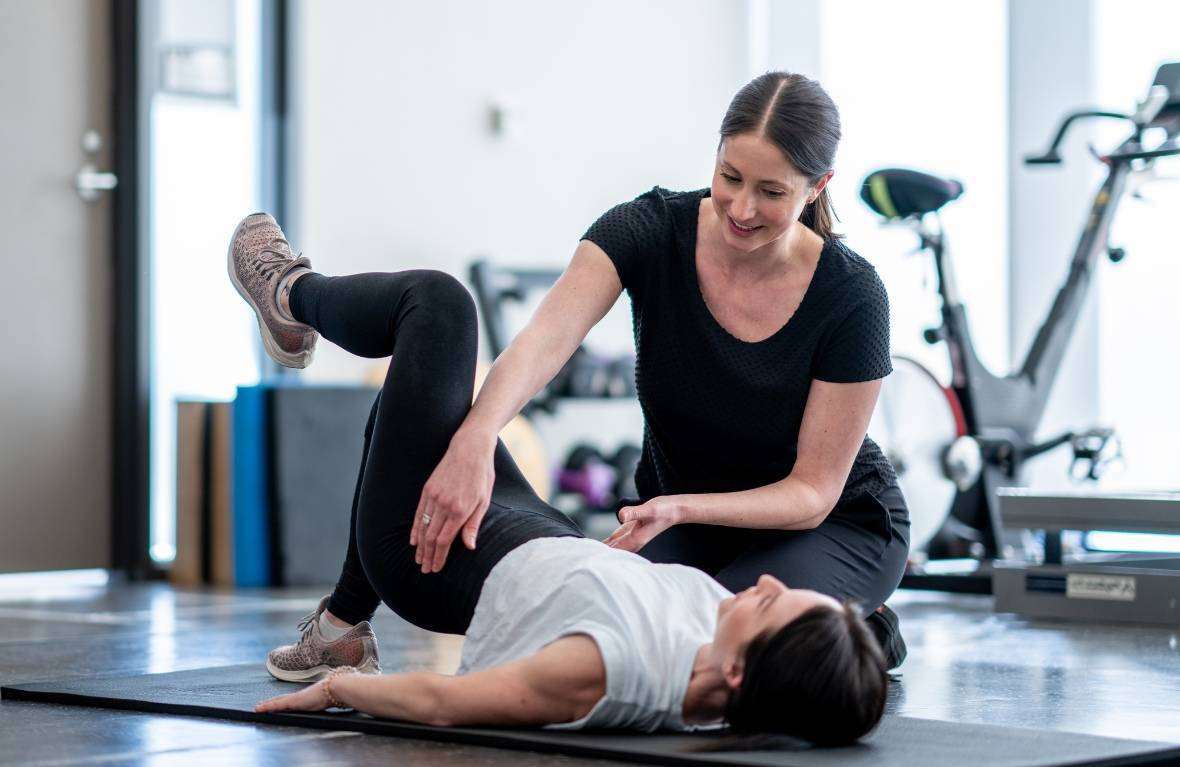
The menstrual cycle is a complex interplay of hormonal changes that can significantly impact a womans physical and emotional wellbeing. From cramps and fatigue to mood swings and joint pain, many menstrual symptoms stem from hormonal fluctuations. Physiotherapy offers effective, non-invasive ways to manage these issues, helping women maintain comfort and functionality throughout their cycle.
Hormonal Changes and Menstrual Symptoms
The menstrual cycle involves fluctuating levels of estrogen and progesterone, which affect muscle tone, pain perception, inflammation, and fluid retention. These changes often cause common menstrual symptoms such as:
Abdominal cramps and pelvic pain
Lower back discomfort
Fatigue and reduced energy
Mood disturbances
Joint stiffness or pain
Understanding how these symptoms connect to hormones is essential for effective management.
Physiotherapys Role in Managing Menstrual Symptoms
Physiotherapists provide tailored interventions to reduce pain and improve function during the menstrual cycle. Some of the ways physiotherapy helps include:
Manual Therapy and Massage: These techniques relieve muscle tension and reduce cramping.
Pelvic Floor Rehabilitation: Addressing pelvic floor dysfunction can ease pelvic pain and urinary symptoms related to menstruation.
Posture and Movement Advice: Correcting posture and improving movement patterns help reduce strain on the back and pelvis.
Exercise Prescription: Specific exercises enhance circulation, reduce inflammation, and support hormonal balance.
Managing Pain and Discomfort
Physiotherapists use a combination of manual therapy, stretching, and strengthening exercises to relieve menstrual pain. Techniques such as heat therapy and relaxation exercises further alleviate cramps and muscle tightness.
Enhancing Energy and Reducing Fatigue
Hormonal shifts during menstruation can cause low energy and fatigue. Physiotherapy helps by promoting gentle aerobic exercise, improving circulation, and encouraging rest and recovery strategies that align with your cycle.
Emotional and Psychological Support
Mood swings and emotional changes are common premenstrual symptoms linked to hormonal fluctuations. Physiotherapy addresses these through relaxation techniques, breathing exercises, and by encouraging physical activity that boosts mood-regulating neurotransmitters.
Why Choose Physiotherapy in Canada?
Canadian physiotherapists are equipped with specialized knowledge in womens health and hormonal issues. The integrated care approach ensures personalized treatment plans that address your unique menstrual symptoms safely and effectively.
Conclusion
Menstrual cycle-related hormonal issues can disrupt daily life, but physiotherapy offers targeted, holistic strategies to manage pain, improve energy, and support emotional wellbeing. By working with a physiotherapist, you can better navigate your cycles challenges and maintain a healthier, more balanced life.
If menstrual symptoms impact your quality of life, consider physiotherapy as a supportive and natural way to manage hormonal fluctuations and their effects.