Pregnancy brings many changes to a womans body, and while its a beautiful experience, it can also come with discomfort and pain. Physiotherapy offers a safe and effective way to manage and alleviate the aches and pains associated with pregnancy.

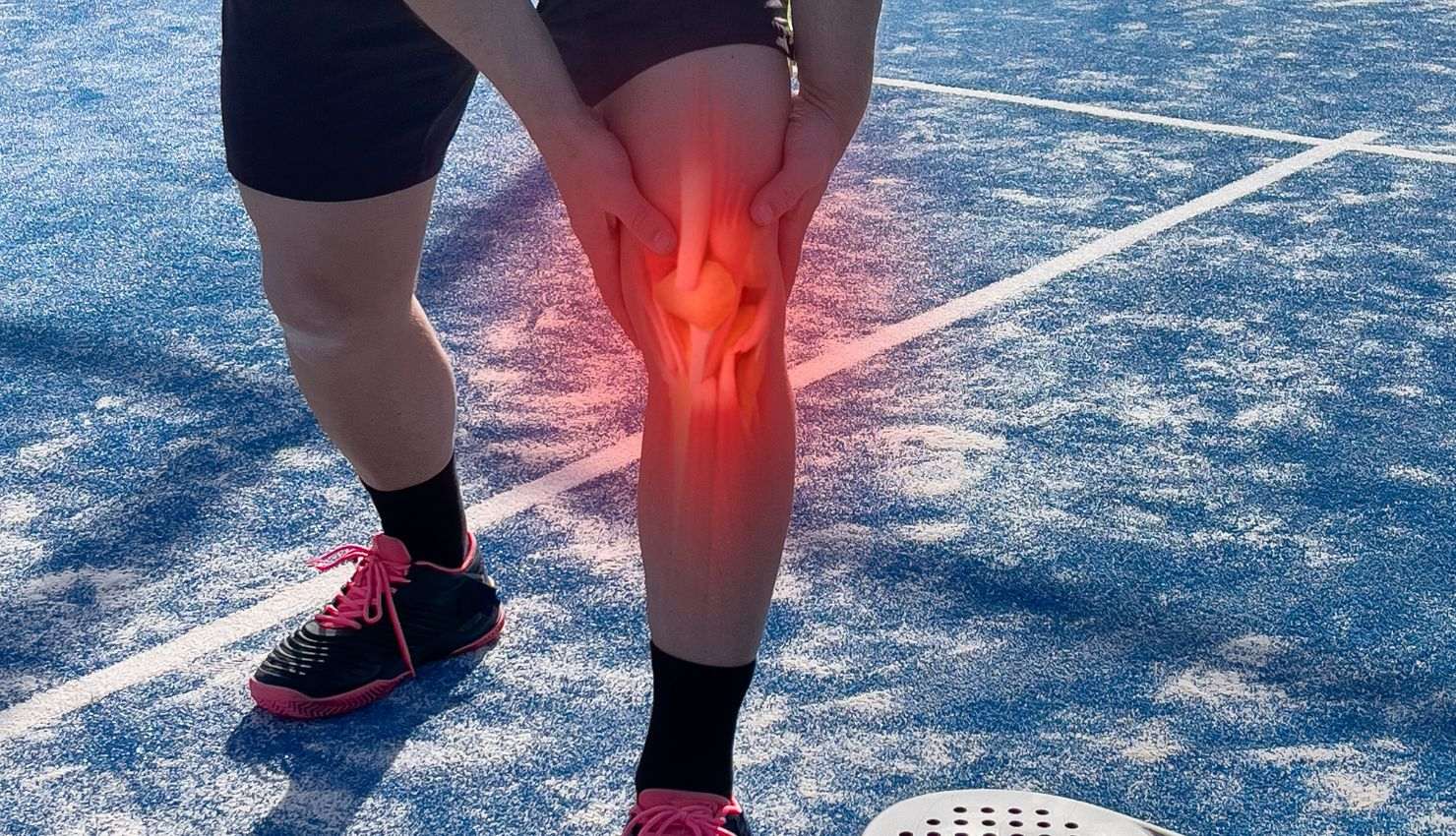
Pregnancy brings many changes to a womans body, and while its a beautiful experience, it can also come with discomfort and pain. Physiotherapy offers a safe and effective way to manage and alleviate the aches and pains associated with pregnancy. Heres how physiotherapy helps during this time:
### 1. **Relieving Back and Pelvic Pain**
* **Lower Back Pain**: As the pregnancy progresses, the growing uterus can strain the lower back, leading to discomfort or pain. Physiotherapists provide exercises and manual therapy techniques to relieve tension in the back muscles, realign the spine, and improve posture. They may also use **heat therapy**, **stretching**, or **joint mobilization** to reduce pain.
* **Pelvic Pain**: Pelvic girdle pain (PGP) or **symphysis pubis dysfunction** (SPD) is common in pregnancy due to changes in the pelvic joints and ligaments. Physiotherapists teach pelvic stabilization exercises and use techniques like **manual therapy**, **taping**, and **postural adjustments** to reduce strain and alleviate pain in the pelvic region.
### 2. **Improving Posture**
The extra weight of pregnancy changes the bodys center of gravity, often leading to poor posture. This can result in pain, especially in the back, neck, and shoulders. Physiotherapists help pregnant women maintain proper posture through:
* **Postural awareness training**: Educating the patient on how to stand, sit, and move to avoid strain on the spine.
* **Strengthening exercises**: Focusing on core, back, and shoulder muscles to support the changing body and maintain proper alignment.
* **Stretching exercises**: Aiding flexibility in the chest, neck, and lower back to reduce discomfort.
### 3. **Relieving Leg Pain and Swelling**
* **Sciatica**: The compression of the sciatic nerve during pregnancy can cause pain that radiates down the legs. Physiotherapists use stretching, posture correction, and manual therapy to alleviate pressure on the nerve and reduce pain.
* **Leg Cramps**: Leg cramps are common during pregnancy. Physiotherapists can offer stretching techniques, muscle relaxation exercises, and advice on managing these cramps when they occur.
* **Swelling (Edema)**: Pregnancy often causes fluid retention, particularly in the legs and ankles. Physiotherapists may use techniques like **manual lymphatic drainage** or **gentle massage** to promote circulation and reduce swelling.
### 4. **Reducing Neck and Shoulder Tension**
As the bodys center of gravity shifts, it often leads to strain on the neck and shoulders. Physiotherapists help by:
* **Neck stretches**: To improve flexibility and relieve tension in the upper back and neck.
* **Strengthening exercises**: Focusing on the muscles of the neck and shoulders to support the weight of the upper body.
* **Postural adjustments**: Correcting posture to avoid stress on the neck and shoulders.
### 5. **Managing Hip Pain**
Hormonal changes during pregnancy can affect the ligaments in the pelvis, causing discomfort or pain in the hips. Physiotherapists work with pregnant women to:
* **Strengthen the hip muscles**: Targeting the glutes, quads, and hamstrings to improve stability and reduce pain.
* **Stretching**: Improving flexibility in the hip flexors and surrounding muscles to relieve tightness.
* **Manual therapy**: Using techniques like joint mobilization or soft tissue release to reduce hip discomfort.
### 6. **Pre- and Post-Natal Exercises**
* **Core Strengthening**: Strengthening the core muscles is crucial during pregnancy, as they help support the growing uterus and reduce strain on the spine. Physiotherapists guide pregnant women through safe core exercises to enhance stability and prevent back pain.
* **Pelvic Floor Exercises**: The pelvic floor muscles support the bladder, uterus, and rectum. Physiotherapists teach pelvic floor strengthening exercises (Kegel exercises) to help prevent urinary incontinence and support labor and delivery. They also teach how to relax and release these muscles to prevent pelvic pain.
* **Low-Impact Exercises**: Physiotherapists recommend safe exercises like swimming, walking, or stationary cycling to maintain fitness without putting excessive strain on the joints or ligaments.
### 7. **Breathing Techniques for Pain Management**
Physiotherapists can teach pregnant women how to use **breathing exercises** to help manage pain, especially in the later stages of pregnancy. Deep breathing can help relax tense muscles and reduce overall pain. These techniques are also valuable during labor, as they can help with relaxation and pain control.
### 8. **Education on Safe Movement and Activity**
Physiotherapists educate pregnant women on how to move and perform activities in ways that protect the body and prevent injury. This includes:
* **Lifting techniques**: Teaching how to bend and lift correctly to avoid strain on the back.
* **Sleep posture**: Helping find the most comfortable sleep positions and recommending pillows to support the body during rest.
* **Safe exercise routines**: Providing a tailored exercise plan to maintain fitness while avoiding unnecessary strain.
### 9. **Preparation for Labor and Delivery**
* **Pelvic Mobility**: Physiotherapists teach exercises that increase mobility in the pelvis to prepare the body for labor. Techniques like **pelvic tilts**, **cat-cow stretches**, and **hip openers** can help prepare the pelvic joints and muscles for the stresses of delivery.
* **Breathing and Relaxation**: Physiotherapists can teach techniques that aid in relaxation during labor, helping to reduce pain and anxiety.
### 10. **Managing Diastasis Recti**
**Diastasis recti** is a condition where the abdominal muscles separate during pregnancy. Physiotherapists can provide exercises to help close the gap, strengthen the abdominal muscles, and improve posture. This is particularly important for women who experience abdominal weakness post-pregnancy.
### 11. **Postnatal Recovery**
After childbirth, physiotherapists can help with recovery, focusing on:
* **Pelvic floor rehabilitation**: To restore strength and function to the pelvic floor muscles, which may be weakened during pregnancy and childbirth.
* **Core strengthening**: To restore strength to the abdominal muscles, especially if diastasis recti is present.
* **Posture correction**: Helping new mothers adjust to the demands of nursing, carrying, and caring for a newborn, which can strain the back and shoulders.
### Conclusion:
Physiotherapy offers a comprehensive approach to managing the discomforts of pregnancy. Whether it’s back pain, pelvic issues, muscle tension, or postural changes, physiotherapists use a combination of manual therapy, exercises, education, and pain management techniques to improve the quality of life for pregnant women. By focusing on safe movement, muscle strengthening, and relaxation, physiotherapy can help women feel more comfortable during pregnancy and facilitate a smoother recovery post-birth.