Arthritis and joint issues can cause significant pain, stiffness, and decreased mobility, making it difficult to perform everyday activities. Physiotherapy is an effective, non-invasive treatment option that can help manage pain, improve function, and enhance quality of life for those living with arthritis and joint problems.

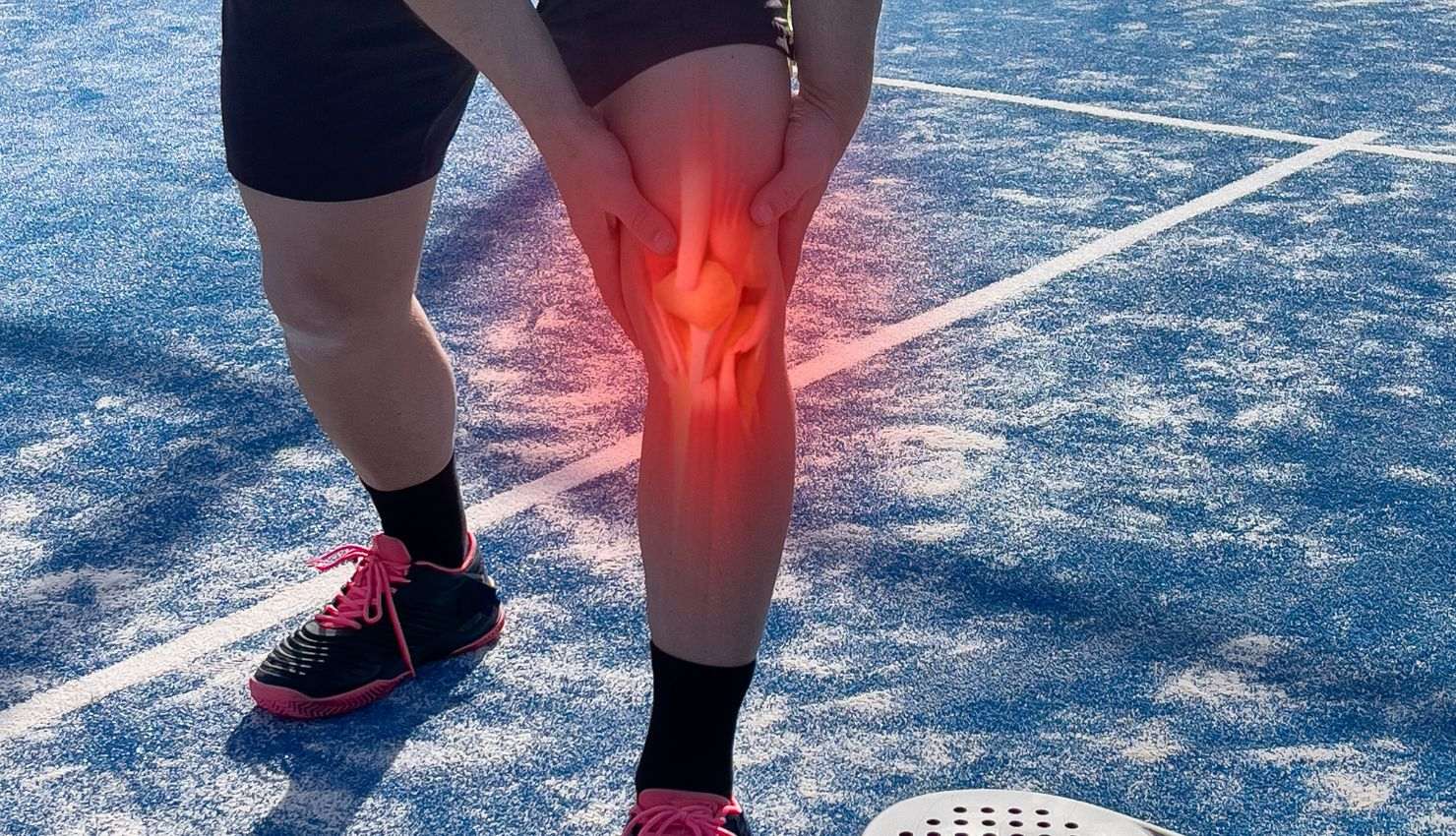
Arthritis and joint issues can cause significant pain, stiffness, and decreased mobility, making it difficult to perform everyday activities. Physiotherapy is an effective, non-invasive treatment option that can help manage pain, improve function, and enhance quality of life for those living with arthritis and joint problems. Here’s how physiotherapy can be beneficial:
### **1. Pain Relief and Management**
Physiotherapists use various techniques to manage and alleviate pain caused by arthritis and joint issues. These methods help reduce inflammation and improve mobility, making everyday movements less painful.
#### **Modalities for Pain Relief:**
* **Heat and Cold Therapy**:
* **Cold therapy (Cryotherapy)**: Ice packs can be used to reduce inflammation and numb the affected joint area, particularly during flare-ups.
* **Heat therapy**: Heat pads or warm baths can relax muscles, increase circulation, and relieve stiffness.
* **Transcutaneous Electrical Nerve Stimulation (TENS)**: TENS units use electrical impulses to block pain signals, reduce inflammation, and stimulate the release of endorphins (natural painkillers).
* **Ultrasound Therapy**: High-frequency sound waves penetrate tissues, promoting deep healing and reducing inflammation around the joints.
These modalities, combined with hands-on techniques, help control pain without relying on medications.
### **2. Joint Mobilization and Manual Therapy**
Manual therapy is a key component of physiotherapy for arthritis and joint issues. It involves hands-on techniques to mobilize or manipulate the joints, which can help:
* **Increase Joint Mobility**: Joints affected by arthritis can become stiff, which limits range of motion and contributes to pain. Manual therapy techniques, like joint mobilization or manipulation, are used to restore movement, alleviate stiffness, and reduce discomfort.
* **Relax Muscles**: Manual therapy can also help release muscle tension around the joints, which can be particularly beneficial for people with arthritis who may compensate by using incorrect postures or movement patterns.
### **3. Exercise Therapy for Strengthening**
Exercise is a cornerstone of physiotherapy, and tailored exercises can be a crucial part of arthritis management. Strengthening exercises help to stabilize the joints, reduce pain, and prevent further damage.
#### **Types of Exercises Used:**
* **Strengthening Exercises**:
* **Targeting specific muscles**: Strengthening the muscles surrounding affected joints helps reduce the load on the joint itself. For example, strengthening the quadriceps (front thigh muscles) can reduce the pressure on the knee joint for those with knee osteoarthritis.
* **Low-impact exercises**: Exercises like swimming, cycling, or using an elliptical machine can improve joint function and relieve pain while minimizing strain on the joints.
* **Range-of-motion (ROM) Exercises**:
* These exercises help maintain or increase the flexibility and mobility of the joint, preventing further stiffness or contractures (permanent tightening of muscles and tissues).
* **Gentle stretching**: Flexibility exercises help ease joint stiffness, which is a common issue with arthritis.
* **Posture and Balance Training**:
* Physiotherapists will often incorporate exercises that focus on improving posture and balance. Maintaining proper posture reduces unnecessary strain on the joints, while balance exercises can help prevent falls and further joint damage.
### **4. Customized Exercise Programs**
Each person with arthritis has different symptoms and challenges, so physiotherapists create customized exercise programs based on the specific needs of the individual. These programs may include:
* **Progressive Loading**: Gradually increasing the intensity and duration of exercises to avoid overloading the joints while building strength and improving endurance.
* **Aquatic Therapy**: Water provides buoyancy, which reduces stress on the joints, making it easier to perform exercises that might be too painful on land. Swimming or exercising in warm water helps improve joint mobility and muscle strength.
### **5. Education and Lifestyle Modifications**
Physiotherapists provide education on how to manage arthritis and joint pain on a daily basis. This education helps patients:
* **Understand the condition**: Knowing the nature of arthritis or joint issues helps patients make informed decisions about managing symptoms.
* **Modify activities**: Physiotherapists advise on how to modify daily tasks to reduce stress on the joints, such as using ergonomic equipment, altering sitting or standing postures, or employing adaptive techniques to avoid excessive strain.
* **Weight Management**: Excess weight puts extra stress on weight-bearing joints, like the knees and hips. Physiotherapists may suggest safe exercises to help with weight loss or management, which in turn can reduce pain and slow the progression of arthritis.
### **6. Assistive Devices and Orthotics**
Physiotherapists assess the need for assistive devices or orthotics to support joints and improve movement. These may include:
* **Braces or supports**: These can provide additional stability to the affected joint and prevent movements that may cause pain or further injury.
* **Custom orthotics**: For individuals with arthritis in the feet or knees, custom-made insoles can help improve alignment and reduce joint pain.
### **7. Preventing Further Damage**
While arthritis and joint issues may not have a cure, physiotherapy can significantly slow down the progression of the disease and prevent further joint damage. Physiotherapists help:
* **Modify Activities**: By adjusting daily activities and exercise routines, physiotherapists can help prevent overuse of the affected joints, reducing the risk of exacerbating arthritis.
* **Encourage Restorative Practices**: Balancing activity with rest is key to managing arthritis. Physiotherapists educate patients on when and how to rest the joint to prevent flare-ups.
### **8. Psychological Support**
Chronic pain from arthritis can have psychological effects, leading to stress, depression, or anxiety. Physiotherapists provide emotional support, helping patients understand how their pain can be managed effectively through physiotherapy, exercise, and self-care strategies. They may also recommend coping strategies to deal with the emotional challenges of living with arthritis.
### **9. Improving Function and Quality of Life**
The ultimate goal of physiotherapy for arthritis is to help patients maintain or improve their ability to perform daily tasks, such as walking, climbing stairs, and driving. Physiotherapists work on:
* **Functional rehabilitation**: This involves exercises that mimic real-life activities to ensure patients can continue with their everyday routines with reduced pain.
* **Social Interaction**: Pain can isolate people, but by improving mobility, strength, and confidence, physiotherapy can encourage patients to re-engage in social and physical activities they once enjoyed.
### **10. Long-Term Management**
Arthritis is a chronic condition that requires ongoing management. Physiotherapy provides the tools, exercises, and techniques needed to manage symptoms and improve function over the long term. Regular physiotherapy sessions can help patients cope with flare-ups, adapt to physical changes, and stay as mobile as possible.
### **Conclusion**
Physiotherapy is a powerful tool for managing arthritis and joint issues. By combining pain-relieving techniques, strengthening exercises, joint mobilization, lifestyle modifications, and emotional support, physiotherapy offers a comprehensive approach to managing arthritis pain and improving joint function. With the guidance of a skilled physiotherapist, individuals with arthritis can maintain an active lifestyle, reduce pain, and prevent further joint damage.