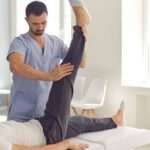
How Physiotherapy Helps with Post-Surgical Rehabilitation for Soft Tissue Injuries explores targeted strategies for recovery. Discover new paths to mobility, healing, and personalized care.


Undergoing surgery for a soft tissue injury can be a critical step toward healing, but its only part of the journey. The real challenge often comes after the surgery, when regaining strength, mobility, and function becomes the focus. This is where physiotherapy steps in as an indispensable part of post-surgical rehabilitation, guiding patients through recovery with safe, effective, and personalized care.
In this blog, well explore how physiotherapy supports post-surgical recovery from soft tissue injuries, why it matters, and what patients can expect during their rehabilitation process.
What Are Soft Tissue Injuries?
Soft tissue injuries involve damage to muscles, ligaments, tendons, or fascia the connective tissues that support and stabilize your body. Common examples include:
Muscle strains or tears
Ligament sprains or ruptures
Tendonitis and tendon tears
Contusions and bruises
Some soft tissue injuries require surgical repair, especially if the damage is severe or conservative treatments havent worked. Surgery might involve tendon repair, ligament reconstruction, or other procedures to restore integrity and function.
The Importance of Post-Surgical Physiotherapy
Surgery alone does not restore full function. Without proper rehabilitation, patients can experience:
Joint stiffness and decreased range of motion
Muscle weakness and atrophy
Scar tissue adhesions restricting movement
Pain and swelling
Functional limitations impacting daily life
Physiotherapy after surgery aims to minimize these complications and promote optimal healing, helping patients return to their pre-injury activity levels as safely and quickly as possible.
How Physiotherapy Supports Post-Surgical Recovery
1. Early Mobilization and Edema Control
Once your surgeon gives the green light, physiotherapists initiate gentle movement and techniques to reduce swelling (edema). Early controlled mobilization promotes blood flow, reduces scar tissue formation, and prevents joint stiffness. Techniques include:
Manual lymphatic drainage
Gentle range-of-motion exercises
Compression therapy
Cryotherapy (ice) for inflammation control
2. Restoring Range of Motion
Post-surgical stiffness is common due to immobilization and tissue trauma. Physiotherapy incorporates stretching, joint mobilizations, and passive/active movement exercises to regain flexibility and functional joint movement safely.
3. Muscle Strengthening and Neuromuscular Re-education
After surgery, muscles around the injury site often weaken significantly. A physiotherapist designs a progressive strengthening program tailored to your stage of healing. This includes:
Isometric exercises (muscle contractions without joint movement) early on
Eccentric and concentric strengthening as healing progresses
Neuromuscular re-education to improve muscle coordination and control
Rebuilding strength is critical to supporting the repaired tissues and restoring function.
4. Scar Tissue Management
Surgical scars can develop adhesions that limit tissue mobility and cause discomfort. Physiotherapists use manual techniques such as soft tissue mobilization and massage to break down scar tissue and promote healthy healing.
5. Functional Training and Return to Activity
Physiotherapy moves beyond just healing to focus on restoring your ability to perform daily tasks, work activities, or sports. Functional exercises replicate real-life movements and gradually increase in intensity and complexity, preparing you for a safe return to your routine.
6. Pain Management and Education
Managing pain effectively is key to recovery. Physiotherapists use modalities such as electrical stimulation, ultrasound, and education on pain neuroscience to help patients understand and control post-surgical discomfort.
Education is also provided on activity pacing, posture, and injury prevention strategies to support long-term wellness.
Why Choose Physiotherapy for Post-Surgical Rehabilitation?
Physiotherapy is evidence-based, personalized, and focuses on the whole patient, not just the injury. It ensures that healing tissues are protected while encouraging safe movement, reducing complications, and accelerating recovery.
Without physiotherapy, patients risk prolonged disability, chronic pain, or re-injury. With the right guidance, they regain independence, confidence, and function.
When to Start Physiotherapy After Surgery?
The timing of physiotherapy depends on the type of surgery and the surgeons protocol. Generally, physiotherapy begins shortly after surgeryoften within days to weeksto maximize recovery benefits. Your physiotherapist will work closely with your surgical team to tailor the plan according to your specific needs.
Post-Surgical Physiotherapy Services in Canada
In Canada, clinics like YourFormsUX specialize in post-surgical rehabilitation for soft tissue injuries. Their experienced physiotherapists provide comprehensive care, from initial assessment to advanced functional training, ensuring every step of your recovery is supported.
Recovering from soft tissue surgery can be challenging, but you dont have to do it alone. Physiotherapy offers the expert guidance and treatment you need to heal fully and safely. If you or a loved one is preparing for or recovering from soft tissue surgery, consulting a physiotherapist is a vital step toward a successful outcome.