How Physiotherapy Helps with Postpartum Hormonal Changes explores targeted strategies for recovery. Discover new paths to mobility, healing, and personalized care.

Experiencing postpartum hormonal shifts? Youre absolutely not aloneand theres hope beyond advice and aromatherapy. Physiotherapy offers targeted, research-backed strategies to help your body rebalance naturally.
1. Understanding postpartum hormonal changes
After giving birth, your body undergoes a dramatic hormonal shift. Estrogen and progesterone plummet overnight, while prolactin rises to support milk production. Cortisol levels fluctuate more, and the thyroid may feel off. This can leave new moms feeling fatigued, anxious, irritableor experiencing disrupted sleep, low mood, and body aches.
The key issue: your musculoskeletal and nervous systems need support to adjust. Thats where physiotherapy steps in.
2. Why physiotherapy supports hormonal regulation
a. Activating the parasympathetic nervous system
Gentle therapeutic exercises help activate the parasympathetic (rest-and-digest) system, which in turn regulates cortisol and other stress hormones. By reducing cortisol spikes, physiotherapy supports a smoother hormonal transition in the weeks after birth.
b. Normalizing pelvic floor and core function
Postpartum pelvic floor and abdominal muscles can be weakened or imbalanced. When those deep core muscles engage properly, they support optimal blood flow and hormone signalingparticularly estrogen and oxytocin. By retraining these muscles, physiotherapy promotes better physical rhythm and hormonal resilience.
c. Improving sleep and recovery
Sleeping well is crucial for hormonal balance. Physiotherapy addresses pain pointslike diastasis recti or low back discomfortthat often disrupt rest. Better sleep fosters optimal prolactin and melatonin production, which influences stress, mood, and breastfeeding.
3. Key physiotherapy strategies for postpartum hormone health
a. Core and pelvic floor retraining
Pelvic floor contractions (Kegels) and proper breath coordination help rebuild strength and calm the nervous system.
Transverse abdominis activation restores abdominal tone, supporting posture and enhancing blood circulation.
b. Diaphragmatic breathing and vagal tone exercises
Breathworklike deep belly breathingencourages vagal tone and lowers cortisol. Including this in daily routines helps restore hormonal balance and improves emotional resilience.
c. Gentle mobility and posture re-education
Post-birth, posture changes (especially due to breastfeeding) can compress the thorax and shift alignment. Physiotherapists guide gentle thoracic mobility drills and postural awareness to promote lymphatic drainage and reduce chronic tension that interferes with hormone receptors.
d. Tailored load progression
Avoiding sudden strain postpartum is essential. Physiotherapists design gentle movement progressionsstarting with restorative walks, progressing to postpartum-safe Pilatesto boost endorphins, which elevate mood and support overall hormone health.
e. Self-care and stress management techniques
Physiotherapy sessions incorporate mindfulness and relaxation techniques. This supports parasympathetic balance, paving the way for improved cortisol regulation, deeper sleep, and better breastfeeding support.
4. Sample physiotherapy exercise sequence
Heres an example of physiotherapy-based postpartum recovery:
Pelvic floor engagement with breath: Inhale to relax, exhale to lift and gently contract pelvic floor.
Diaphragmatic belly breathing: Lie on your back, hands on ribsinhale expanding ribs sideways, exhale using core to soften belly.
Cat-camel mobilization: On hands and knees, alternate arching and rounding your back to mobilize the spine.
Pelvic tilts: Lying supine with knees bent, use abdominal engagement to tilt pelvis and gently flatten lower back.
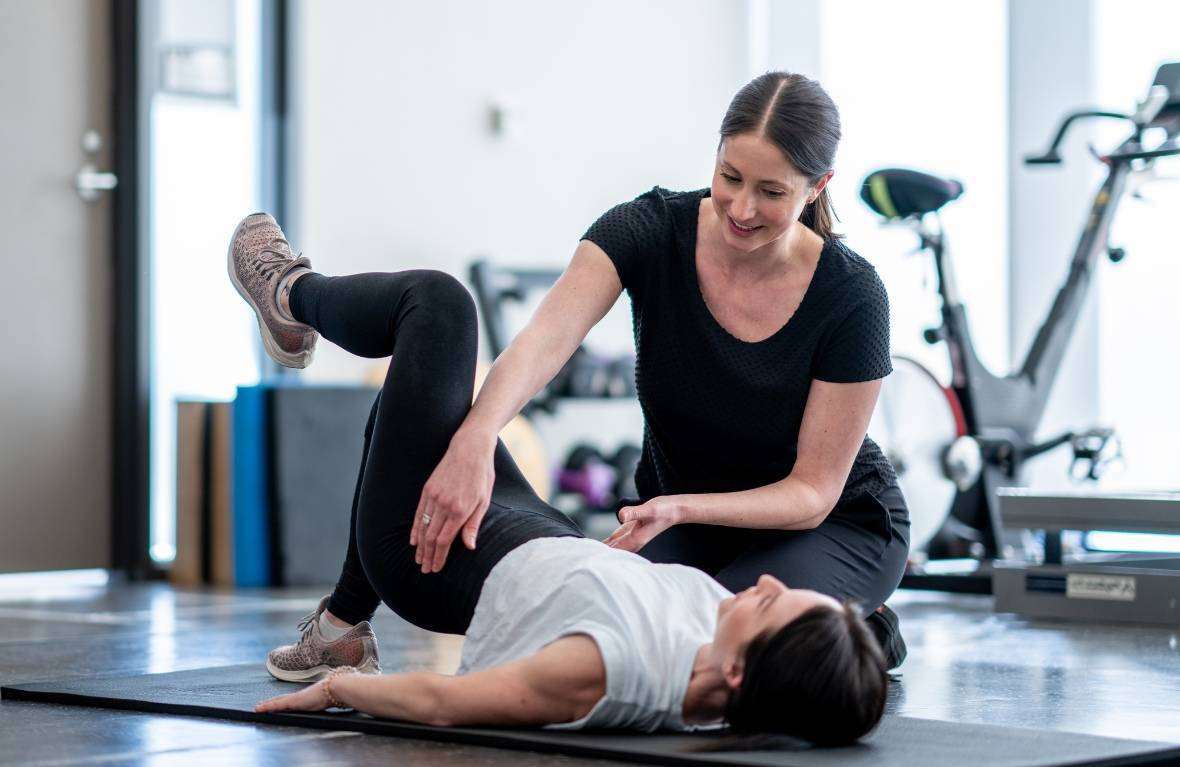
Heel slides: From supine, slowly slide one heel out then back in, keeping core engaged.
Seated thoracic rotation: Sit tall, guided rotation helps restore mid-back mobility and improve posture.
A qualified physiotherapist tailors reps, holds, and intensity to your recovery stagesupporting both muscular and hormonal rebalancing.
5. The emotional and psychological payoffs
Rebalancing hormones isnt just physicalit influences mood, self-confidence, sleep, and stress resilience. Clients often report:
Smoother mood transitions
Better sleep quality
Easier breastfeeding due to improved oxytocin release
Faster restoration of energy
Higher confidence in their postpartum body
Because physiotherapy addresses physical tension and nervous system regulation, it supports full-spectrum healing.
6. Tips for getting the most out of physiotherapy postpartum
Start early, ideally within first six weeks postpartum (with medical clearance), to maximize neuromuscular rebalancing.
Commit to consistencyeven 10 minutes daily is powerful when guided by physiotherapy.
Track progress mindfully, noting sleep quality, mood stability, and energythis helps connect exercises to hormonal benefits.
Pair with other self-care habits, like balanced nutrition, pelvic rest, moderate activity, and hydration.
7. Integrating physiotherapy into everyday life
Physiotherapy doesnt end at your appointment. Borrow these quick ritual ideas:
Begin the day with five minutes of breathing and pelvic floor work before caffeine.
Fit in a mid-day restorative walk with mindful posture.
Use evenings for gentle stretches and visualization techniques to prep your body and hormones for restful sleep.
These small habits amplify the hormonal benefits of therapy.
Final thoughts
Postpartum hormonal changes can feel overwhelming. But physiotherapy offers a natural, evidence-informed path to help your body rebalancein a way that mindfully supports muscle, posture, and nervous system restoration. If you’re ready to dive into postpartum-specific care and rebalance with intention, a physiotherapist trained in postpartum rehab could be your best ally.