Pregnancy is a transformative journey, but it often comes with physical discomfort, particularly pelvic pain. Many expectant mothers experience aching hips, groin pain, or pubic bone pressure that interferes with daily movement.

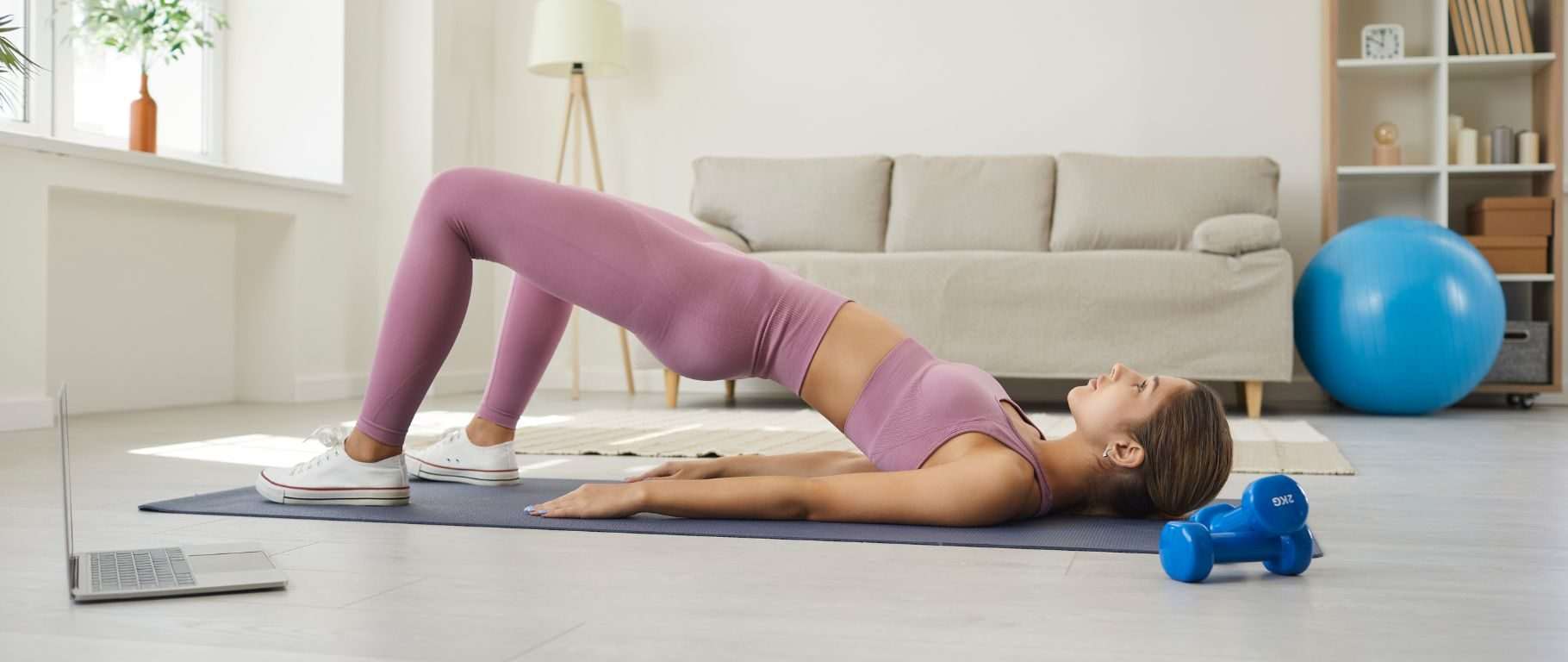
Pregnancy is a transformative journey, but it often comes with physical discomfort, particularly pelvic pain. Many expectant mothers experience aching hips, groin pain, or pubic bone pressure that interferes with daily movement. These symptoms are not only commontheyre treatable. Physiotherapy offers effective and safe strategies to manage pelvic pain throughout pregnancy, supporting both maternal comfort and fetal well-being.
Understanding Pregnancy-Related Pelvic Pain
As the body prepares for childbirth, hormonal changes increase joint mobility, especially in the pelvis. The hormone relaxin softens ligaments, allowing the pelvis to widen. This flexibility, while necessary, can create instability in the sacroiliac joints, pubic symphysis, and lumbar spine. As a result, pregnant women often experience:
Sharp or aching pain in the lower pelvis or groin
Pain while walking, climbing stairs, or turning in bed
Pressure or heaviness in the pelvic region
Difficulty with balance and coordination
When left unmanaged, these symptoms can impact sleep, exercise, work, and mental health.
Role of Physiotherapy During Pregnancy
Physiotherapists trained in prenatal care understand the biomechanical changes occurring during pregnancy. They assess posture, muscle strength, joint alignment, and pelvic floor function to identify the source of pain. Their treatment plans are gentle, safe, and tailored to each trimester.
Techniques Used by Physiotherapists
Pelvic Support Strategies: Techniques include wearing a pelvic support belt or learning how to move in ways that reduce joint stress. These adjustments can offer immediate relief and make everyday tasks easier.
Manual Therapy: Gentle hands-on techniques help release tight muscles, align the pelvis, and reduce nerve irritation. Mobilization of the hips and lower back can ease pressure without harming the baby.
Posture and Body Mechanics Coaching: Expecting mothers are taught how to move, sit, and sleep in supportive positions. Proper alignment protects the pelvis and prevents strain from worsening.
Breathing and Core Exercises: Physiotherapists teach safe breathing patterns and core engagement techniques to stabilize the pelvis and improve circulation. These exercises prepare the body for labor and recovery.
Pelvic Floor Muscle Training: Pregnancy is the perfect time to learn how to engage and relax the pelvic floor. A strong and responsive pelvic floor supports the uterus and prepares for vaginal delivery.
Benefits of Physiotherapy for Pregnant Women
Reduced pain and discomfort
Better sleep and energy levels
Enhanced mobility and physical independence
Improved fetal positioning through optimal pelvic alignment
Lower risk of long-term pelvic floor dysfunction postpartum
When to Seek Physiotherapy
Pregnant women should consider seeing a physiotherapist if they experience:
Pain in the pubic bone or lower back
Difficulty walking or performing daily activities
Pressure that worsens with movement
Weakness in the legs or pelvic region
Its never too early to seek support. Early intervention helps prevent worsening symptoms and makes pregnancy more enjoyable.
Conclusion
Pelvic pain does not have to be a normal part of pregnancy. With targeted physiotherapy, expectant mothers can move with ease, rest without discomfort, and feel more prepared for childbirth. At YourFormSux, we believe that every woman deserves a pregnancy experience thats as pain-free and empowering as possible. Physiotherapy is not just about treatmentits about making motherhood feel strong, supported, and confident from the inside out.