Recovering after a vaginal birth is a journey that requires not only time but also the right guidance and support. Physiotherapy plays a crucial role in helping new mothers regain physical function, reduce pain, and restore pelvic health.

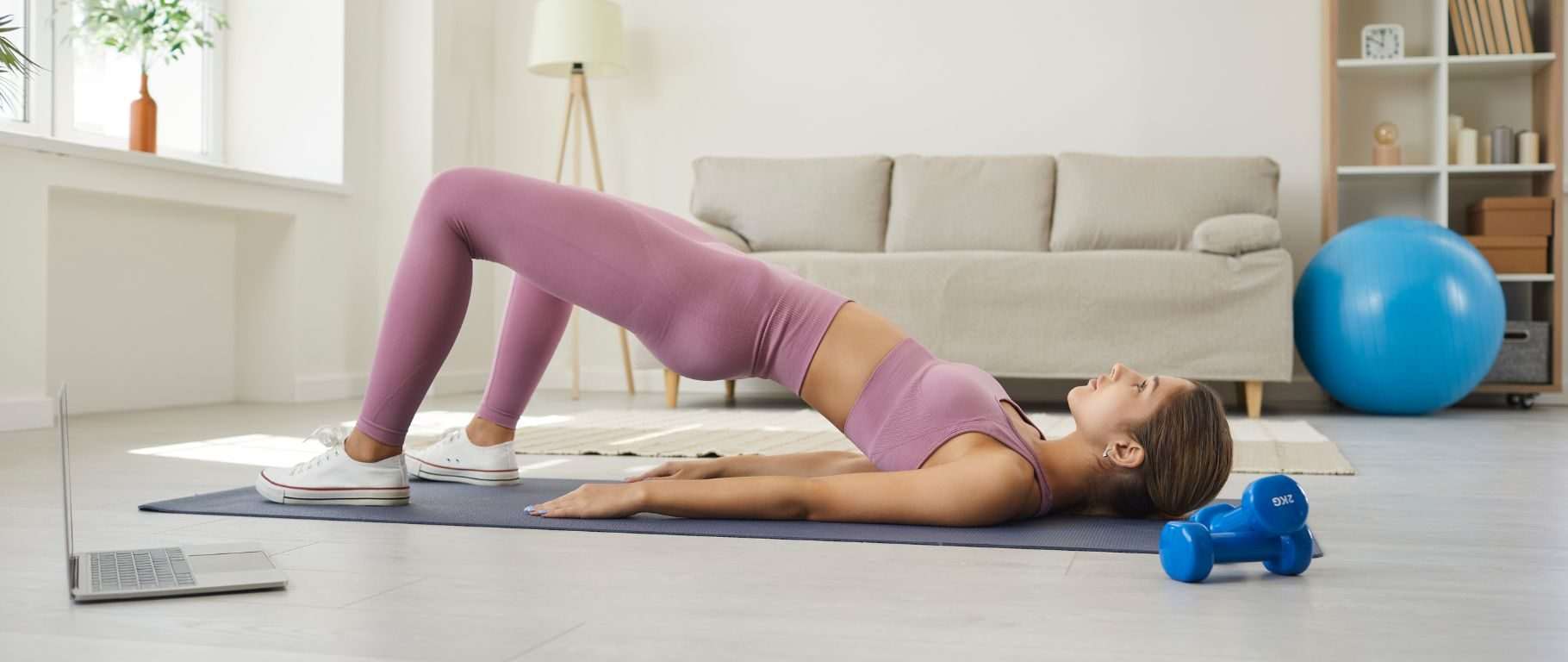
Recovering after a vaginal birth is a journey that requires not only time but also the right guidance and support. Physiotherapy plays a crucial role in helping new mothers regain physical function, reduce pain, and restore pelvic health. In Canada, more women are turning to pelvic floor physiotherapists for expert care in the postpartum period.
Understanding the Impact of Vaginal Birth on the Body
Vaginal birth can place significant strain on a woman’s pelvic floor muscles, ligaments, and connective tissue. Common issues that arise post-birth include perineal tearing, episiotomy recovery, bladder leakage, pelvic organ prolapse, and general pelvic pain. These are not just short-term discomforts; they can become chronic if not addressed appropriately.
Pelvic physiotherapy focuses on rehabilitating the body after childbirth by identifying muscle imbalances, promoting tissue healing, and rebuilding pelvic floor strength and endurance.
Benefits of Physiotherapy in Postpartum Recovery
Pelvic Floor Muscle Rehabilitation
Physiotherapists assess the tone, strength, and coordination of the pelvic floor muscles. Many women experience weakened or overstretched muscles after delivery. Pelvic floor physiotherapy uses gentle, targeted exercises to restore function and prevent long-term conditions like urinary incontinence or pelvic organ prolapse.
Pain Management
Some women experience lingering perineal, tailbone, or lower back pain after childbirth. Physiotherapy interventions such as manual therapy, gentle mobilizations, and tailored stretching routines can reduce pain and improve mobility.
Bladder and Bowel Control
Urinary urgency or leakage is common after a vaginal birth. Physiotherapists provide individualized strategies and training to improve continence through bladder retraining and pelvic floor strengthening. Addressing these issues early helps prevent embarrassment and inconvenience later in life.
Scar Tissue Mobilization
For women who have experienced perineal tearing or episiotomies, scar tissue can cause pain and limit movement. Physiotherapists use hands-on techniques to reduce adhesions and improve tissue flexibility, leading to more comfortable healing.
Improved Core Stability
Pregnancy and delivery affect the abdominal muscles, especially the transverse abdominis and obliques. Postpartum physiotherapy includes exercises that re-activate core muscles, which are essential for spinal support and overall function.
Education and Lifestyle Guidance
New mothers often overlook body mechanics while caring for their baby. Physiotherapists teach proper techniques for lifting, feeding, and babywearing to avoid injury and encourage healing.
When to Start Postpartum Physiotherapy
It is generally safe to begin pelvic physiotherapy around six weeks after delivery, but some women may benefit from earlier assessments depending on their recovery. It is important to seek guidance from a licensed pelvic health physiotherapist who understands postpartum anatomy and healing timelines.
The Role of Physiotherapy in Long-Term Wellness
The benefits of postpartum physiotherapy extend far beyond the initial recovery phase. Addressing pelvic health issues early reduces the risk of chronic pelvic pain, urinary incontinence, and other complications later in life. Women who include physiotherapy in their postpartum care often report better physical comfort, improved confidence, and enhanced overall well-being.
Conclusion
Postpartum recovery is not just about surviving the first few weeksits about restoring health, mobility, and confidence for the long term. With the guidance of a skilled pelvic physiotherapist, women who have had a vaginal birth can take control of their recovery, reduce complications, and regain strength. Whether youre struggling with discomfort or simply want to ensure a strong recovery, physiotherapy offers a safe and effective path forward.