Whether youre a weekend warrior, a professional athlete, or simply someone who loves staying active, sports practice is an essential part of your routine. But with all that intense physical activity comes the inevitable aches,…

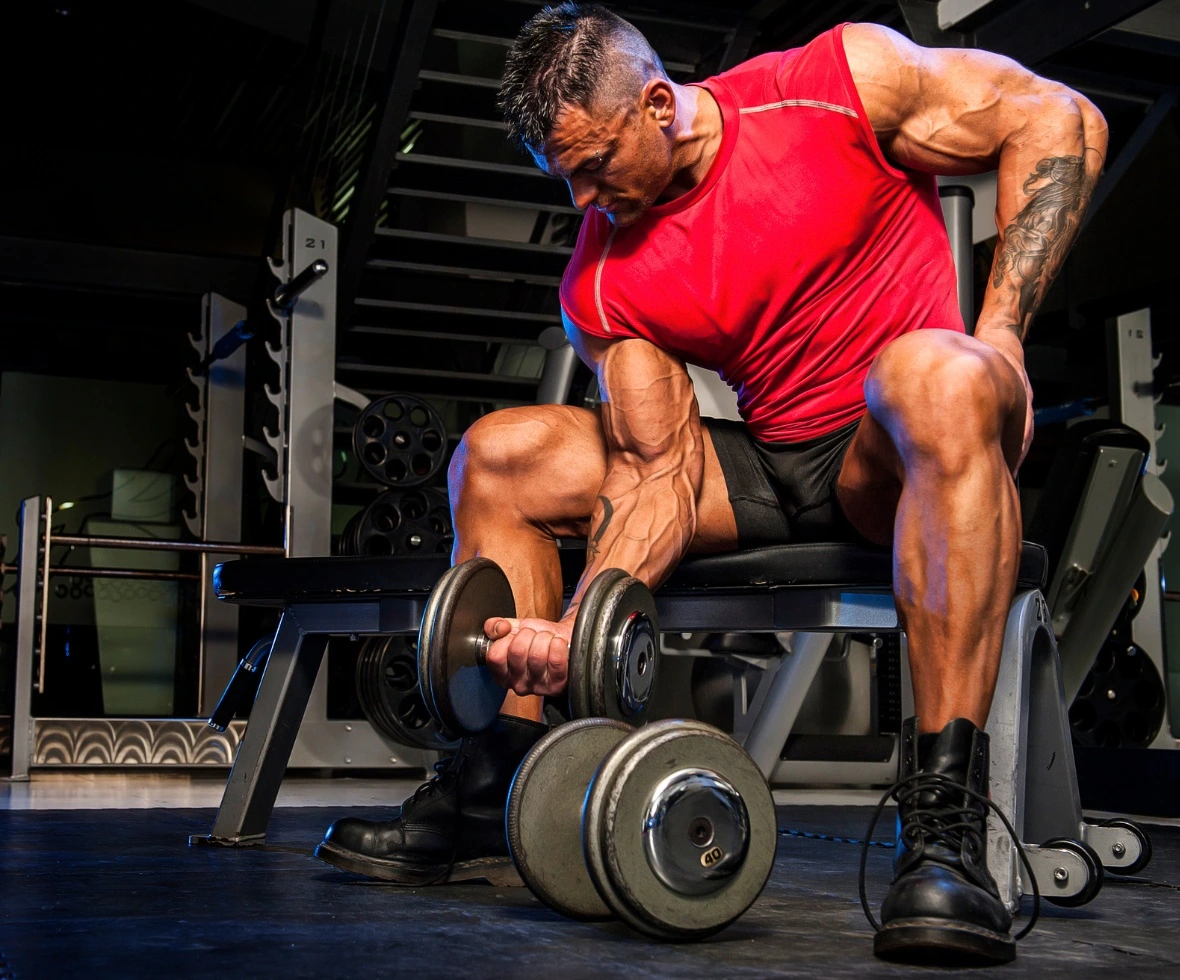
Whether youre a weekend warrior, a professional athlete, or simply someone who loves staying active, sports practice is an essential part of your routine. But with all that intense physical activity comes the inevitable aches, pains, and sometimes injuries that can hold you back. Thats where physiotherapy steps in as a game-changer for managing pain and speeding up recovery after sports practice.
In this blog, well explore how physiotherapy can help you manage pain effectively, recover faster, and get back to your best performance all while reducing the risk of future injuries. If youre based in Canada and looking for expert guidance on sports recovery, this is the post for you.
Why Pain and Recovery Matter After Sports Practice
When you push your body during sports practice, you are essentially putting your muscles, joints, and connective tissues under stress. This stress can cause micro-tears in muscles, inflammation in joints, and general fatigue. While some soreness is normal and expected, unmanaged pain can turn into chronic problems that limit your mobility and performance.
Proper recovery isnt just about resting; its about actively helping your body heal in the right way. Ignoring pain or rushing back into sports without adequate recovery increases the risk of more severe injuries like sprains, strains, or even stress fractures.
The Role of Physiotherapy in Sports Pain Management
Physiotherapy offers a scientific and tailored approach to managing sports-related pain. By assessing your specific condition, physiotherapists design treatment plans that address the root cause of your pain rather than just masking symptoms. Heres how physiotherapy can make a difference:
1. Pain Reduction Through Targeted Therapy
Physiotherapists use a variety of techniques such as manual therapy, ultrasound, and electrical stimulation to reduce inflammation and alleviate pain. These treatments promote blood flow to injured areas, reduce muscle stiffness, and relax tight tissues. This targeted approach helps to manage both acute pain immediately after sports practice and chronic pain that persists over time.
2. Improving Mobility and Flexibility
Sports injuries and overuse often lead to stiffness and limited range of motion. Physiotherapy exercises focus on gently stretching and strengthening muscles around the affected joints, improving flexibility, and restoring full movement. This helps athletes regain their agility and prevents stiffness from turning into long-term mobility issues.
3. Customized Rehabilitation Programs
One of the biggest benefits of physiotherapy is the personalized rehabilitation plan. Based on your sport, injury type, and fitness level, your physiotherapist creates exercises and therapies that speed up healing while preventing re-injury. These rehab programs include progressive strength training, balance exercises, and functional movement drills designed specifically for your recovery needs.
4. Preventing Future Injuries
Physiotherapy is not just about healing injuries; its about injury prevention too. Through biomechanical assessments and movement analysis, physiotherapists identify weaknesses and imbalances that could lead to future problems. Addressing these early through corrective exercises improves your overall sports performance and keeps you playing stronger, longer.
When Should You Seek Physiotherapy After Sports Practice?
Many athletes wait too long before seeking help, often trying to push through the pain. However, early intervention with physiotherapy can dramatically improve recovery times and outcomes. Consider consulting a physiotherapist if you experience:
Persistent or worsening pain after practice
Swelling or inflammation in joints or muscles
Limited range of motion or stiffness
Muscle weakness or instability
Pain that interferes with your daily activities or sleep
Getting timely professional support not only reduces downtime but also helps you return to your sport safely and with confidence.
Tips to Enhance Recovery Between Physiotherapy Sessions
In addition to physiotherapy sessions, there are several strategies you can use at home to complement your recovery:
Active Rest: Light activities like walking or swimming promote blood circulation without overloading your muscles.
Hydration and Nutrition: Drinking plenty of water and consuming nutrient-rich foods help repair tissues and reduce inflammation.
Proper Sleep: Quality sleep is critical for muscle repair and overall recovery.
Use of Ice or Heat: Ice packs reduce swelling and numb pain immediately after practice, while heat therapy relaxes muscles and improves flexibility before exercises.
Choosing the Right Physiotherapy Clinic in Canada
If youre ready to invest in your sports recovery, selecting the right physiotherapy clinic is key. Look for clinics that specialize in sports physiotherapy and have experienced therapists who understand the unique demands of your sport. At YourFormsUX.com, we recommend clinics that provide personalized care plans and evidence-based treatments designed to get you back in the game faster.
Final Thoughts: Prioritize Recovery with Physiotherapy
Managing pain and recovery after sports practice is essential not only to enhance your performance but to safeguard your long-term health. Physiotherapy offers a holistic and effective path to healing by addressing pain, restoring mobility, and preventing future injuries. Whether youre recovering from a minor strain or a more serious injury, expert physiotherapy care can be the difference between a frustrating setback and a successful comeback.
Dont let pain hold you back from doing what you love. Prioritize your recovery today with physiotherapy and enjoy a healthier, stronger athletic journey ahead.