How Physiotherapy Helps With Recovery from Dance-Related Foot Pain explores targeted strategies for recovery. Discover new paths to mobility, healing, and personalized care.

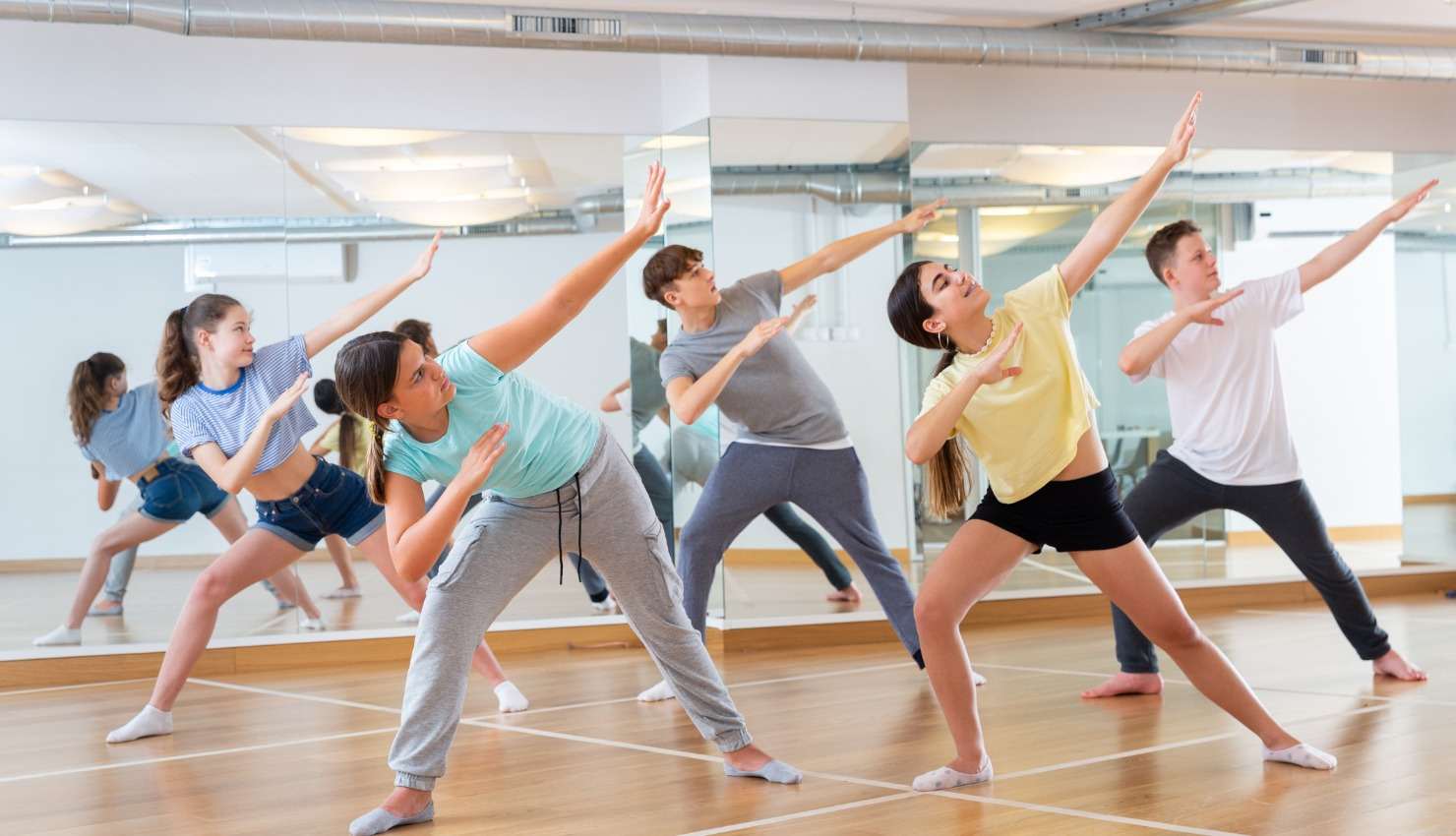
Dance is an intricate and physically demanding art form, and the feet are among the most essential parts of a dancer’s body. Whether youre performing pirouettes, leaps, or graceful footwork, your feet bear the brunt of the pressure, absorbing force and enabling precise movement. However, with the constant strain on the feet, dancers are prone to a variety of foot-related injuries, including pain from overuse, improper footwear, or improper technique.
Fortunately, physiotherapy offers an effective way to manage and recover from dance-related foot pain. By addressing the root cause of the pain, physiotherapists help dancers recover quickly, reduce discomfort, and improve foot function, ensuring that dancers can return to their practice without the risk of further injury.
Common Causes of Dance-Related Foot Pain
Before we dive into how physiotherapy aids recovery, its important to understand some of the most common causes of foot pain in dancers:
Plantar Fasciitis: Inflammation of the plantar fascia, the thick band of tissue running along the bottom of the foot. This is one of the most common causes of heel pain in dancers.
Achilles Tendonitis: Inflammation of the Achilles tendon, typically caused by excessive stress or repetitive strain during jumping or pointing the foot.
Stress Fractures: Small cracks in the bones of the foot, often resulting from repetitive impact, such as jumping and landing during dance.
Metatarsalgia: Pain in the ball of the foot, typically caused by overuse, misalignment, or excessive pressure on the forefoot.
Bunions: A bony bump that forms at the base of the big toe, often causing pain when dancers wear ill-fitting shoes or perform certain movements.
Tight Calf Muscles: Tightness in the calf muscles can place additional strain on the feet and lead to discomfort in the arches or heels.
While each of these conditions requires specific care, physiotherapy plays a key role in managing, treating, and preventing foot pain in dancers by using targeted treatments that address the root causes of discomfort.
How Physiotherapy Aids Recovery from Foot Pain
Pain Relief and Inflammation Control
The first step in treating any foot pain is controlling inflammation and managing pain. Physiotherapists use various techniques to reduce inflammation and alleviate discomfort, such as:
Ice Therapy: Cold packs are often applied to the affected area to reduce inflammation, numb the pain, and provide relief. This is especially beneficial for conditions like plantar fasciitis or Achilles tendonitis.
Heat Therapy: After the initial inflammation subsides, heat therapy helps improve blood flow to the area, promoting healing and reducing stiffness in the muscles and tendons.
Ultrasound Therapy: Physiotherapists use ultrasound waves to increase blood circulation and promote tissue healing. The high-frequency sound waves stimulate tissue regeneration and reduce pain.
TENS (Transcutaneous Electrical Nerve Stimulation): TENS involves applying mild electrical currents to the painful area, which helps block pain signals and promote muscle relaxation.
Restoring Foot Mobility and Flexibility
Foot pain often results from a lack of flexibility or stiffness in certain areas. Tight calf muscles, Achilles tendons, or the plantar fascia can affect the overall range of motion in the feet. Physiotherapists provide targeted stretching exercises to address these tight areas, which can improve foot mobility and reduce pain. Some common stretches include:
Calf Stretch: To address tightness in the calves, a physiotherapist may teach you how to perform a calf stretch. By gently stretching the calves, you reduce strain on the Achilles tendon and improve your ability to point your foot, which is essential for many dance movements.
Plantar Fascia Stretch: To alleviate the pain caused by plantar fasciitis, stretching the plantar fascia helps restore flexibility and ease discomfort. A common stretch involves sitting with one leg over the other, pulling the toes toward the shin to stretch the bottom of the foot.
Achilles Tendon Stretch: Stretching the Achilles tendon is vital for dancers who experience pain due to overuse or injury. The therapist will guide you through exercises that gradually lengthen the tendon and promote healing.
Strengthening Exercises
A significant part of foot recovery involves strengthening the muscles in the foot and lower leg. Weakness in the intrinsic foot muscles, as well as the calves and ankles, can exacerbate foot pain, making it essential to focus on building strength. Physiotherapists may recommend the following exercises:
Toe Curls: To strengthen the small muscles in the feet, therapists often use exercises like toe curls, where you use your toes to grasp a towel or marbles on the floor. This helps improve the strength and coordination of the foot muscles.
Resistance Band Exercises: Physiotherapists use resistance bands to strengthen the muscles around the ankle and foot. By performing movements like ankle dorsiflexion or plantarflexion, you can improve the stability of the ankle and reduce foot strain during dance movements.
Heel Raises: Performing heel raises, where you lift your heels off the ground while standing, helps strengthen the calf muscles and improve foot control. This exercise is particularly beneficial for dancers who engage in repetitive jumping or pointing movements.
Postural and Biomechanical Correction
Foot pain often arises from improper body mechanics, posture, or dance technique. Physiotherapists assess a dancer’s alignment and movement patterns to identify any issues that may be contributing to foot discomfort. These issues could include poor posture, abnormal foot mechanics (like overpronation or supination), or improper footwear. By correcting these factors, physiotherapists help dancers avoid future injuries and improve their performance. Some approaches include:
Foot Alignment and Biomechanics Analysis: Physiotherapists assess your walking and dancing patterns to identify misalignments or improper movements that may place undue stress on the feet. For example, they may observe whether you are placing excessive pressure on the inner or outer edges of your feet and recommend changes to your technique.
Orthotics or Shoe Recommendations: If necessary, physiotherapists may recommend custom orthotics (inserts) or advise on proper footwear. These devices can provide additional support to the foot, reduce pain, and help align the feet properly while dancing.
Gradual Return to Activity
After addressing the immediate pain and inflammation, physiotherapists help dancers gradually return to their routines with a plan tailored to their recovery process. This ensures that dancers dont push too hard too soon, which could cause further injury. The rehabilitation program may involve low-impact activities to build strength and flexibility before moving on to more intense dance routines.
Conclusion
Dance-related foot pain is a common issue that can significantly affect a dancers ability to perform. However, with the help of physiotherapy, dancers can recover quickly, reduce discomfort, and return to their practice without the risk of reinjury. Through a combination of pain management, stretching, strengthening exercises, and biomechanical corrections, physiotherapists address the root causes of foot pain and help dancers stay on their feetliterally and figuratively.
If you’re a dancer experiencing foot pain, working with a skilled physiotherapist can make all the difference in ensuring a full recovery and preventing future issues. By following a comprehensive rehabilitation plan, you can return to dancing stronger, more flexible, and with reduced risk of injury.