Urinary tract infections (UTIs) and pelvic pain are often viewed as separate medical concerns, yet they can be deeply interconnectedparticularly in women. Recurrent UTIs, chronic pelvic pain, urgency, and discomfort are all part of a larger puzzle that often involves the pelvic floor.

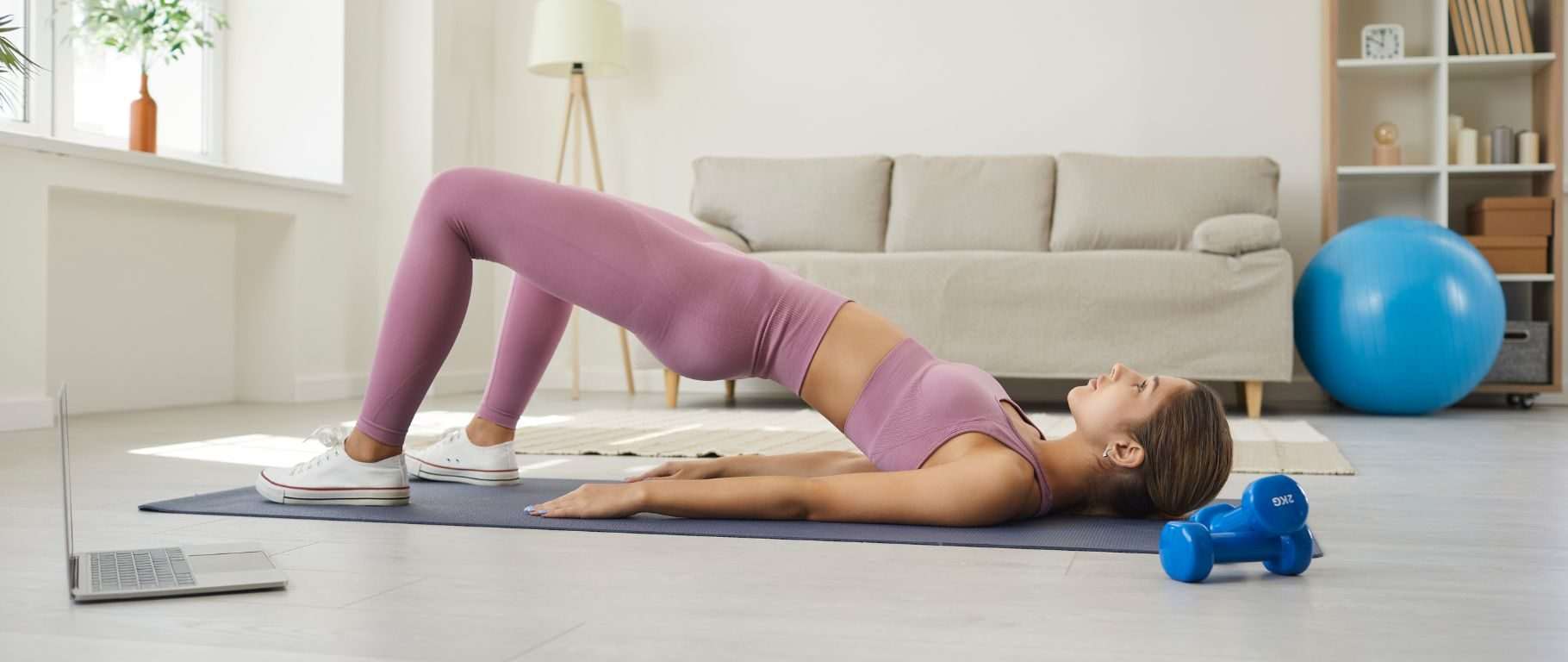
Urinary tract infections (UTIs) and pelvic pain are often viewed as separate medical concerns, yet they can be deeply interconnectedparticularly in women. Recurrent UTIs, chronic pelvic pain, urgency, and discomfort are all part of a larger puzzle that often involves the pelvic floor. Physiotherapy, especially pelvic floor physiotherapy, offers a drug-free, personalized solution that targets the root causes of both urinary dysfunction and pelvic discomfort. As awareness grows about the broader role of physiotherapy, many women are discovering that resolving chronic urinary and pelvic symptoms may not require just medication but a hands-on, holistic approach.
Understanding the Link Between UTIs and Pelvic Pain
Urinary tract infections typically result from bacterial infiltration into the urethra and bladder. While acute UTIs are treatable with antibiotics, chronic or recurrent UTIs may continue to cause bladder pressure, burning, and pelvic discomfort even after infection subsides. This is where the line between infection and dysfunction starts to blur.
Pelvic painparticularly when recurringoften points toward musculoskeletal involvement. Overactive or tight pelvic floor muscles can contribute to difficulty in fully emptying the bladder, residual urine, or dysfunctional voiding patterns, all of which can increase UTI risk. In turn, the discomfort from repeated infections can lead to guarding or tightening of the pelvic floor, creating a vicious cycle.
What Is Pelvic Floor Physiotherapy?
Pelvic floor physiotherapy focuses on assessing and treating the muscles, ligaments, connective tissues, and nerves that support the bladder, uterus, rectum, and pelvis. When these muscles become too tight (hypertonic), too weak (hypotonic), or poorly coordinated, it can lead to pain, urinary symptoms, or both.
A skilled physiotherapist will evaluate the strength, tone, and function of the pelvic floor and surrounding musculature. Treatment plans are customized to each individual and may include manual therapy, biofeedback, breathing techniques, stretches, and strengthening exercises.
Key Ways Physiotherapy Supports UTI and Pelvic Pain Recovery
1. Releasing Muscle Tension That Mimics UTI Symptoms
Tight pelvic floor muscles can create sensations of urgency, frequency, and incomplete bladder emptyingsymptoms commonly mistaken for UTIs. Physiotherapy addresses this by manually releasing trigger points in the pelvic floor and teaching relaxation techniques that restore natural muscle tone and reduce misfiring pain signals.
2. Improving Bladder Emptying Mechanics
Difficulty fully emptying the bladder leaves behind residual urine, creating a breeding ground for bacteria. Physiotherapists help retrain the coordination of pelvic floor muscles so that the bladder can empty efficiently and completely. This reduces the likelihood of recurring infections due to retained urine.
3. Correcting Posture and Core Dysfunction
Postural imbalances and poor core stability can contribute to pelvic muscle strain. Many women with chronic pelvic pain have compensation patterns that worsen their symptoms. Physiotherapists address core muscle engagement and alignment, supporting long-term symptom resolution and prevention.
4. Empowering Patients with Bladder Retraining Techniques
Behavioral training is an essential part of pelvic physiotherapy. If a patient has developed habits like frequent urination just in case or holding urine too long, this can disrupt bladder signaling and cause overactivity. Physiotherapists work to retrain healthy voiding intervals, normalize urgency patterns, and improve bladder control.
5. Reducing Inflammation Through Gentle Mobilization
Manual techniques to mobilize the soft tissue surrounding the bladder, pelvic joints, and sacrum can reduce inflammation and enhance circulation. This not only eases pain but also supports faster tissue healing and immune response, aiding in UTI recovery and pelvic floor balance.
6. Managing Coexisting Conditions
Many women with recurring UTIs or chronic pelvic pain also experience issues like interstitial cystitis, endometriosis, vulvodynia, or irritable bowel syndrome. Physiotherapy does not treat these conditions directly but plays a crucial role in managing muscular and neurological symptoms that contribute to discomfort and dysfunction across these overlapping conditions.
A Drug-Free, Long-Term Solution
Unlike antibiotics that primarily target bacteria, physiotherapy addresses mechanical, neurological, and behavioral factors that perpetuate symptoms. This makes it particularly valuable for those with negative urine cultures but ongoing UTI-like symptoms. Physiotherapy can also help reduce the reliance on medication for chronic pelvic pain and lower the likelihood of antibiotic resistance from recurrent prescriptions.
When Should You See a Pelvic Floor Physiotherapist?
You should consider pelvic physiotherapy if you experience:
Frequent or recurrent UTIs without clear bacterial cause
Painful urination, especially without infection
Chronic pelvic pain or pressure
Feeling of incomplete bladder emptying
Burning or stinging sensations in the pelvic area
Pain during or after intercourse
Urinary urgency, frequency, or leakage
Early intervention is key. The longer the pelvic floor remains in dysfunction, the more likely compensations and chronic pain patterns will develop.
What to Expect During Treatment
An initial assessment includes a detailed medical history, postural and movement analysis, and a pelvic floor examination, which may involve internal palpation with consent. The physiotherapist then creates a plan that may span weeks to months depending on your bodys response and goals. Education is a vital part of every session, empowering you to take charge of your health beyond the clinic.
The YFS Approach: Empowering Women Through Physiotherapy
At YourFormSux (YFS), we understand that pelvic pain and urinary discomfort arent just physicalthey affect every part of your life, from confidence to mobility. Our approach centers on evidence-based physiotherapy practices tailored to your unique needs. We help you decode your symptoms, rebuild function, and regain controlwithout unnecessary medications or invasive procedures.
Conclusion
If UTIs and pelvic pain are disrupting your daily life, its time to consider a different path to recovery. Pelvic floor physiotherapy offers a powerful, personalized way to address the root causes of dysfunction, improve bladder health, and ease chronic pelvic pain. The journey may take time, but the resultsbetter function, less discomfort, and greater well-beingare well worth it.