Vaginal discomfort after childbirth is a common experience for many women, yet it is often overlooked or minimized. Whether youve had a vaginal delivery or a cesarean birth, changes to the pelvic floor and surrounding tissues can lead to persistent pain, tightness, or sensitivity in the vaginal area.

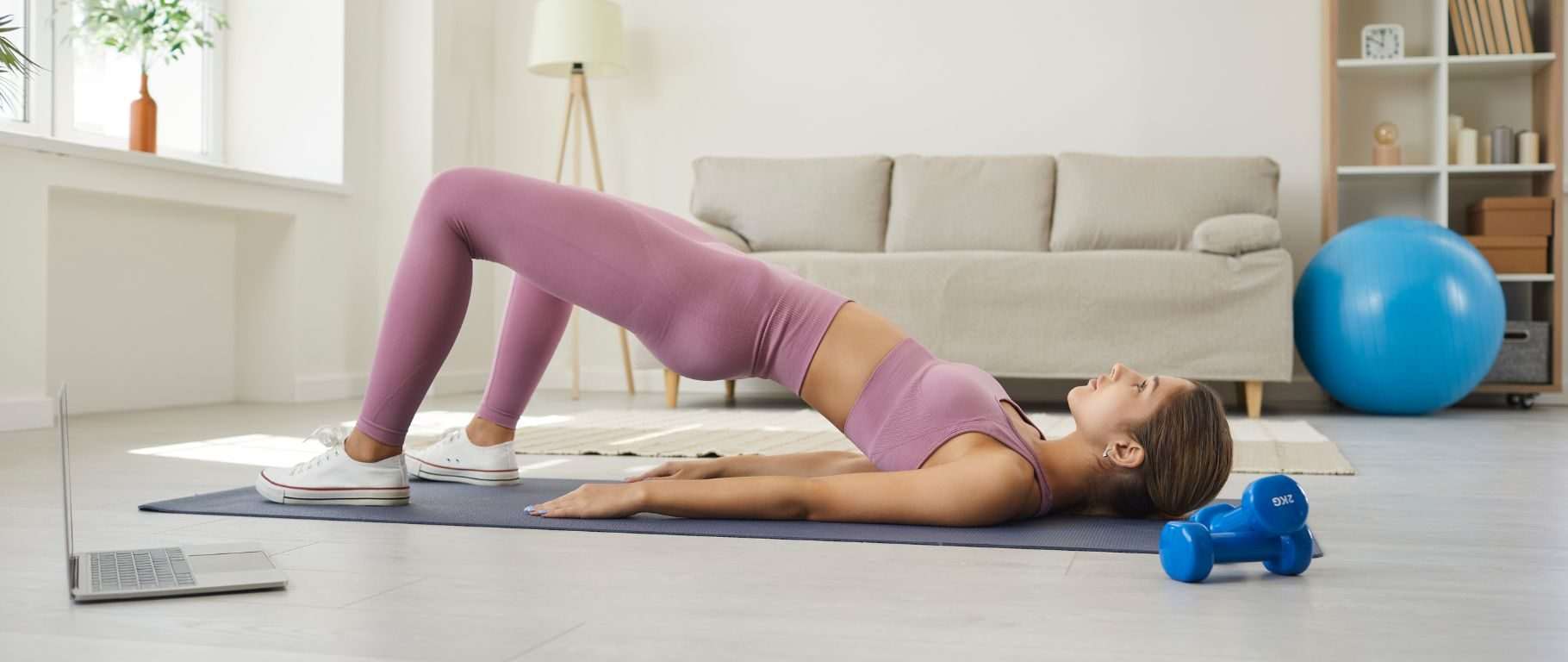
Vaginal discomfort after childbirth is a common experience for many women, yet it is often overlooked or minimized. Whether youve had a vaginal delivery or a cesarean birth, changes to the pelvic floor and surrounding tissues can lead to persistent pain, tightness, or sensitivity in the vaginal area. Fortunately, physiotherapy offers a safe, non-invasive, and highly effective solution for postpartum recovery.
At YourFormSux in Canada, our womens health physiotherapists provide specialized pelvic care designed to relieve discomfort, restore function, and support long-term wellness after childbirth.
Understanding Vaginal Discomfort Postpartum
During pregnancy and delivery, the body undergoes significant physical changes. These include hormonal shifts, muscular strain, perineal tearing, episiotomy scars, and pressure from prolonged labor. All of these factors can contribute to vaginal discomfort, which may present as:
Burning, stinging, or aching in the vaginal area
Pain during intercourse
A sensation of heaviness or fullness in the pelvis
Scar tissue sensitivity
Reduced mobility or flexibility of vaginal tissues
In many cases, discomfort may persist for months if left untreated. Physiotherapy plays a vital role in identifying the underlying cause and initiating a healing plan tailored to your needs.
What Causes Ongoing Vaginal Discomfort After Birth?
The pelvic floor is directly affected by the physical demands of pregnancy and childbirth. It stretches significantly to allow for delivery and may experience trauma in the form of tears, cuts, or nerve damage. Additionally, hormonal changes during breastfeeding can lead to vaginal dryness, making the area more sensitive.
Other common causes include:
Muscle tightness or guarding due to pain
Trigger points or adhesions in the pelvic floor muscles
Fascial restrictions from scarring or cesarean incisions
Overuse or strain from lifting, carrying, or poor posture
Poor alignment or weak core support postpartum
These factors often coexist, creating a cycle of discomfort that requires professional intervention to break.
How Physiotherapy Helps Relieve Vaginal Discomfort
Pelvic health physiotherapy offers an individualized and evidence-based approach to recovery. After a thorough assessment of your pelvic floor, core strength, posture, and scar tissue, a treatment plan is created to support healing and reduce pain. Some of the most effective physiotherapy techniques include:
Manual therapy: Gentle, internal or external massage helps release tight pelvic floor muscles and reduce scar tissue adhesions.
Myofascial release: Soft tissue mobilization improves blood flow and flexibility in affected areas.
Perineal scar tissue management: Focused techniques improve mobility and reduce pain around healed incisions or tears.
Neuromuscular re-education: Retrains the pelvic floor to relax and contract efficiently, restoring function and comfort.
Breathwork and diaphragmatic training: Supports muscle relaxation and helps reduce subconscious clenching or guarding.
Desensitization exercises: Gradually reintroduce comfort to sensitive areas using safe, guided methods.
Why You Shouldnt Ignore Postpartum Discomfort
Many women are told that vaginal discomfort is simply part of the postpartum experience. However, persistent pain, burning, or tightness is not normaland its treatable. Delaying care can result in:
Chronic pelvic pain
Painful intercourse (dyspareunia)
Decreased mobility
Emotional distress and reduced confidence
Impaired intimacy and relationship strain
Physiotherapy not only addresses physical symptoms but also restores quality of life and emotional wellbeing during this transformative time.
YourFormSux: A Supportive Space for Healing
We understand that discussing vaginal discomfort can feel intimidating or even embarrassing. At YourFormSux, our pelvic health physiotherapists offer a compassionate, private, and supportive environment. Youll never be rushed, judged, or dismissed. We prioritize informed consent and work at your pace, always respecting your comfort and boundaries.
Our focus is not just on treating symptoms but on restoring your confidence and functionality through education, movement, and ongoing support.
At-Home Support and Education
Alongside your in-clinic therapy sessions, your physiotherapist will guide you through at-home strategies that support healing, such as:
Pelvic floor stretches and gentle exercises
Self-massage techniques for scar care
Positioning advice for comfort during daily activities
Tips for returning to intimacy when you feel ready
When combined with clinical care, these tools empower you to continue your recovery between visits and monitor your own progress.
Begin Your Recovery Today
Vaginal discomfort after childbirth is commonbut it is not something you have to live with. With physiotherapy, you can heal fully, regain comfort, and restore your pelvic health safely and effectively.
At YourFormSux in Canada, we are committed to supporting you through postpartum recovery with evidence-based care, compassionate guidance, and personalized attention. Your body has done something incrediblenow it deserves to heal with the support it needs.