How Physiotherapy Helps Women Manage Hormonal Issues Across Life Stages explores targeted strategies for recovery. Discover new paths to mobility, healing, and personalized care.

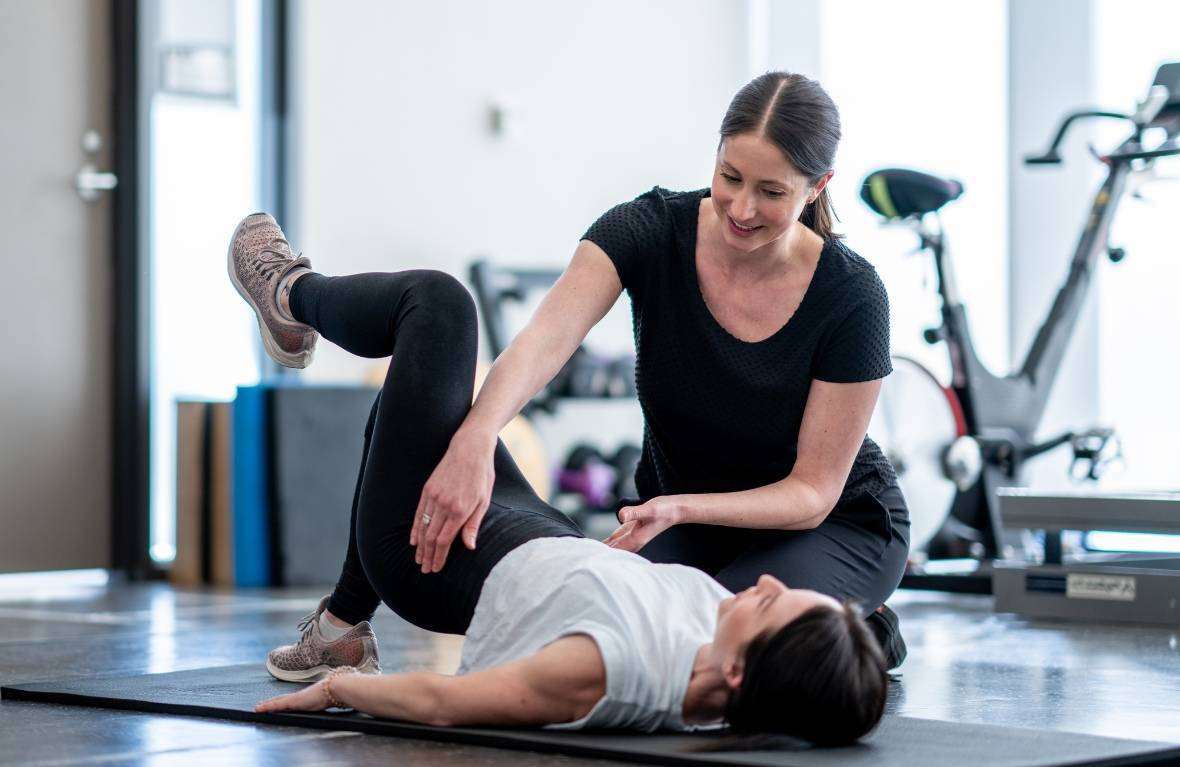
Womens hormonal health is uniquely complex, fluctuating dramatically throughout different life stagesfrom puberty and menstruation to pregnancy, menopause, and beyond. Each phase comes with its own hormonal challenges that affect physical and emotional well-being. Physiotherapy offers vital support in managing these hormonal changes by addressing the bodys structural and neurological health. At YourFormsUX in Canada, specialized physiotherapy helps women navigate these transitions with greater comfort and balance.
Hormonal Challenges Women Face at Different Life Stages
Adolescence: The onset of menstruation brings hormonal shifts that can cause cramps, mood swings, and fatigue.
Reproductive Years: Menstrual cycles, pregnancy, and postpartum periods often involve pelvic pain, muscle imbalances, and hormonal fluctuations. Conditions like PCOS also present unique challenges.
Perimenopause and Menopause: Declining estrogen and progesterone levels can cause hot flashes, joint pain, sleep disturbances, and mood changes.
Post-Menopause: Hormonal declines impact bone density, muscle mass, and cardiovascular health.
Managing these changes requires an approach that supports both hormonal balance and physical health.
Physiotherapys Role in Supporting Womens Hormonal Health
Physiotherapy offers a multifaceted approach that helps women manage hormonal symptoms by focusing on:
Pelvic Floor Health
Pregnancy, childbirth, and menopause affect pelvic floor muscles, leading to issues like incontinence, pelvic pain, and prolapse. Physiotherapists provide pelvic floor strengthening and relaxation exercises to restore function and comfort.
Pain Management and Mobility
Hormonal changes often lead to joint stiffness and muscle pain. Manual therapy, stretching, and movement therapies improve flexibility, reduce pain, and enhance physical function.
Stress Reduction
Hormonal imbalances can increase stress and anxiety. Physiotherapy incorporates relaxation techniques, breathing exercises, and gentle movement to calm the nervous system and balance stress hormones.
Postural and Muscular Support
Hormonal fluctuations can cause muscle imbalances and postural changes. Physiotherapy corrects these issues to reduce physical stress and support hormonal regulation.
Customized Exercise Programs
Targeted exercise supports weight management, cardiovascular health, and metabolic functionkey factors in maintaining hormonal balance during all life stages.
Specific Benefits for Women with Hormonal Conditions
Polycystic Ovary Syndrome (PCOS): Physiotherapy improves insulin sensitivity and reduces muscle tension associated with PCOS.
Menopause: Techniques help manage hot flashes, sleep disturbances, and bone health.
Pregnancy and Postpartum: Physiotherapy aids in recovery, pelvic stability, and hormonal adjustment.
Why Choose Physiotherapy at YourFormsUX?
YourFormsUX offers women a compassionate, personalized approach to managing hormonal health with physiotherapy. By addressing physical symptoms and supporting the nervous system, physiotherapy helps women regain control over their health and enjoy life more fully through every hormonal transition.